Shopping Bag (0)

Your bag is empty.
Explore the world of Breguet — the inventor of the tourbillon and one of the most influential names in the history of fine watchmaking, with a legacy spanning over two and a half centuries. From the Classique, carrying forward the brand's defining aesthetic, to the Marine, blending nautical heritage with sport-luxury style, Aristo Watch offers a curated selection of Breguet timepieces with transparent market pricing, along with professional authentication, Aristo Care protection, and trade-in services, so you can buy or sell with confidence.
Sort by
No data
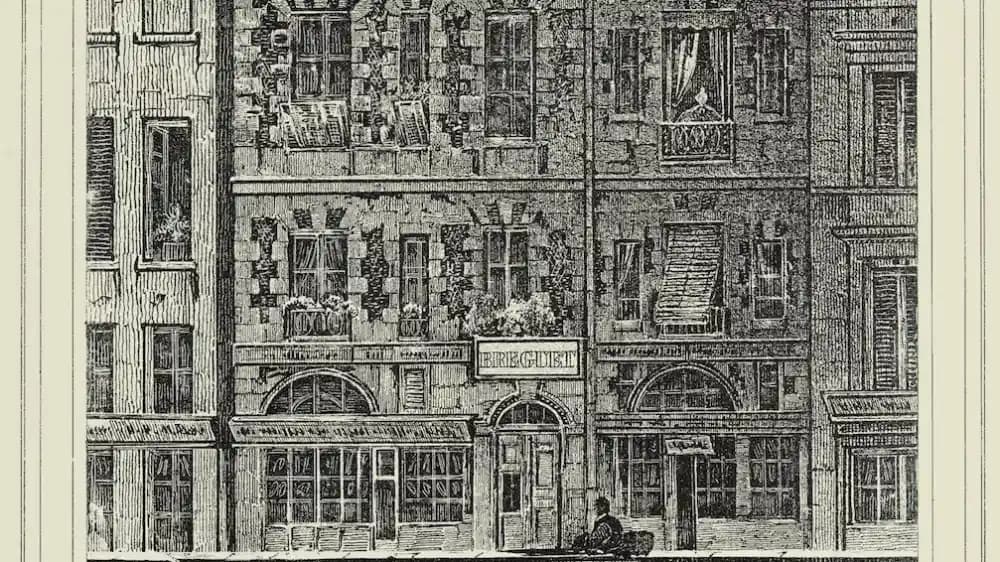
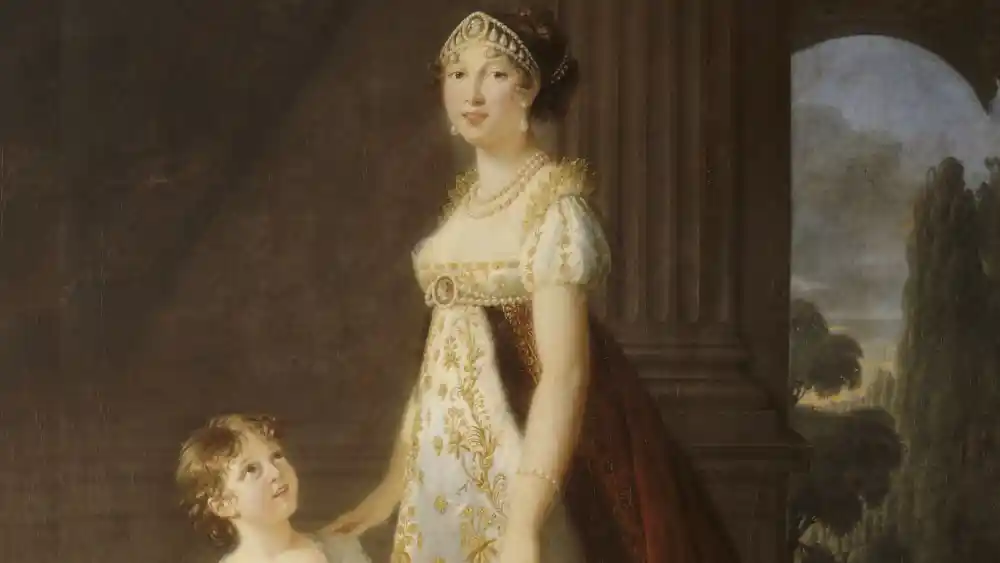
In 1775, Abraham-Louis Breguet opened his workshop on the Île de la Cité in Paris, marking the start of the Breguet legend. The Maison's clientele came to include French royalty, European nobility, and heads of state, with Queen Marie Antoinette and Napoleon among its earliest and most prominent patrons. In 1810, Breguet created an oval-shaped watch for Caroline Bonaparte, Queen of Naples (the Breguet No. 2639), widely regarded as the world's first wristwatch — nearly a century ahead of the wristwatch's broader adoption. The tourbillon, patented in 1801, stands as Breguet's most far-reaching contribution to watchmaking history: a mechanism designed to offset the effects of gravity on a movement, and to this day a defining symbol of high complication.
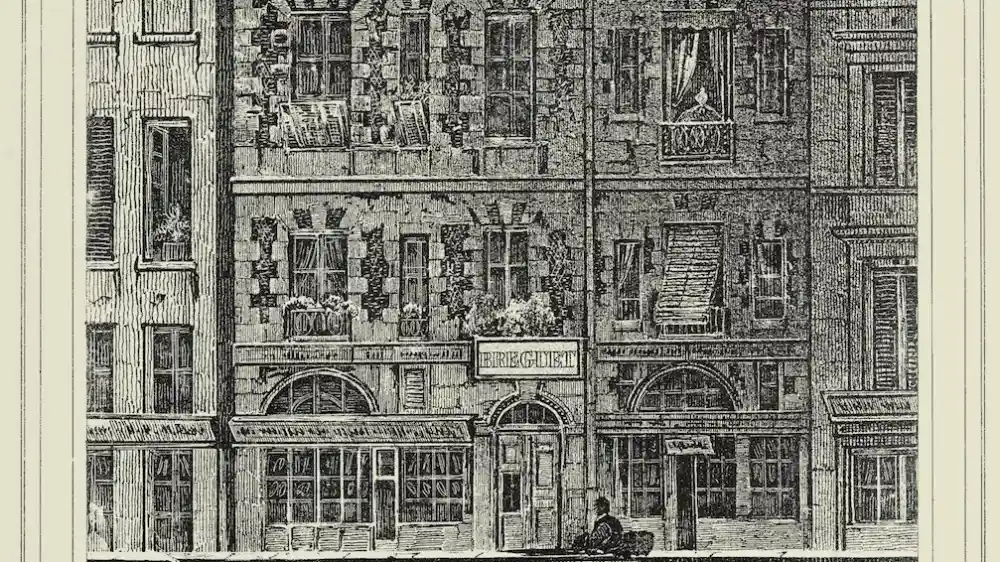

In 1775, Abraham-Louis Breguet opened his workshop on the Île de la Cité in Paris, marking the start of the Breguet legend. The Maison's clientele came to include French royalty, European nobility, and heads of state, with Queen Marie Antoinette and Napoleon among its earliest and most prominent patrons. In 1810, Breguet created an oval-shaped watch for Caroline Bonaparte, Queen of Naples (the Breguet No. 2639), widely regarded as the world's first wristwatch — nearly a century ahead of the wristwatch's broader adoption. The tourbillon, patented in 1801, stands as Breguet's most far-reaching contribution to watchmaking history: a mechanism designed to offset the effects of gravity on a movement, and to this day a defining symbol of high complication.

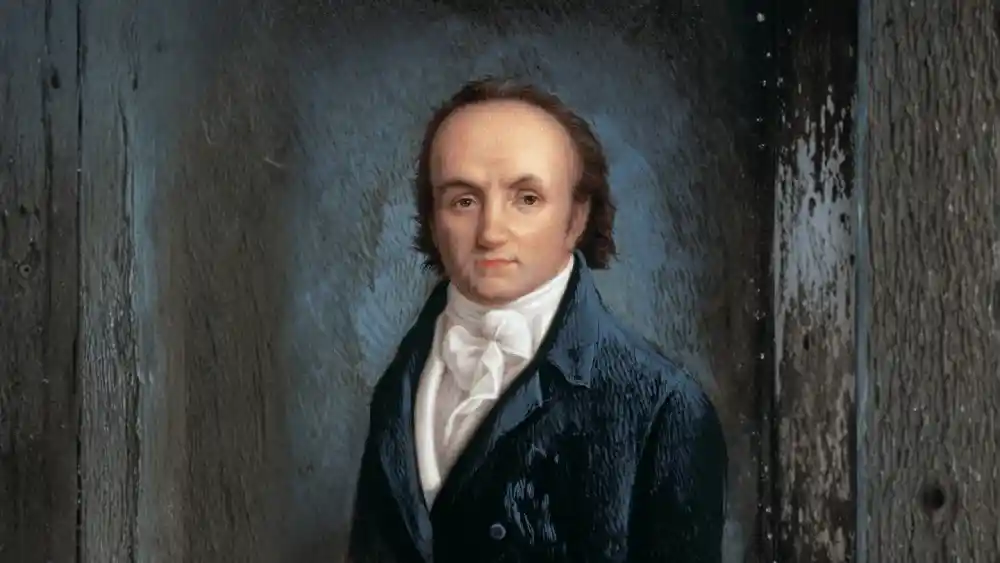
1775
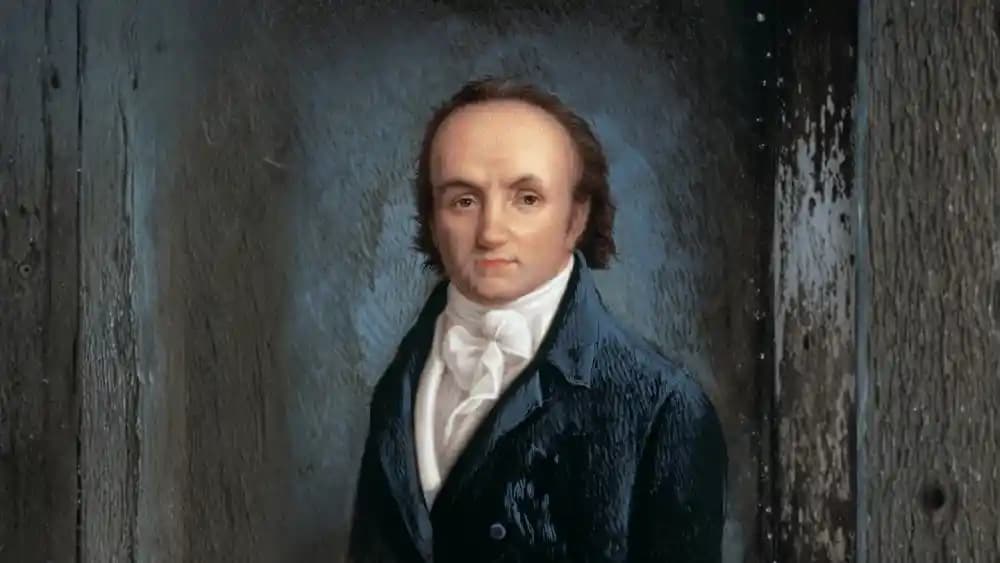
Abraham-Louis Breguet opens his workshop on the Île de la Cité in Paris, founding the Breguet Maison.
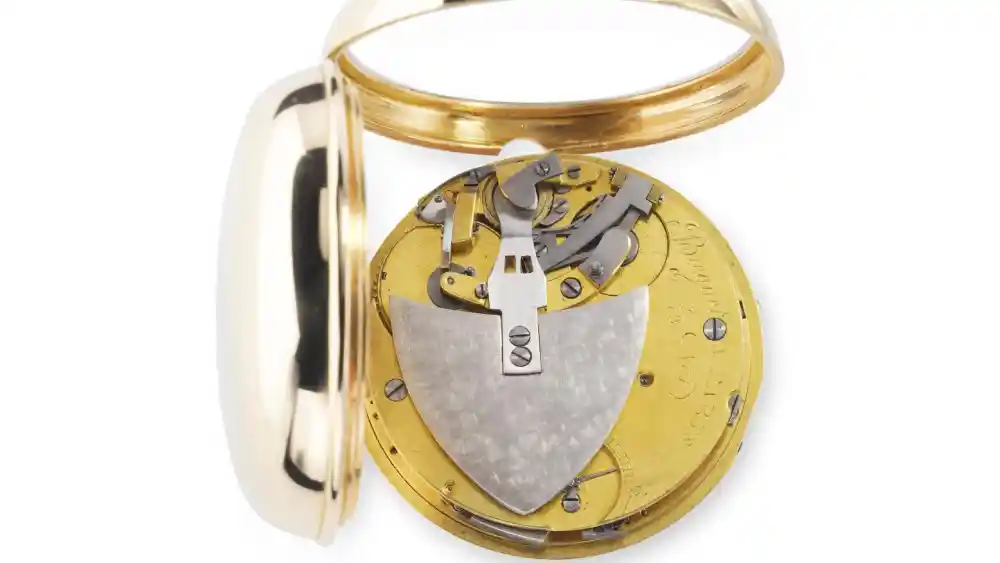
1780
Breguet invents the world's first self-winding watch, the Perpétuelle.
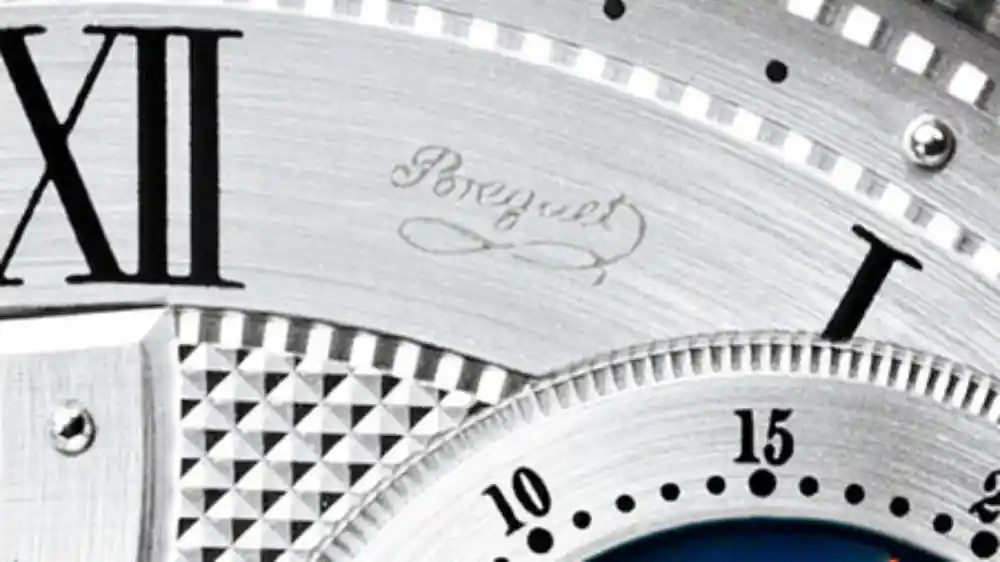
1795
Breguet develops a secret signature anti-counterfeiting mark, a feature still used today and a key milestone in the brand's anti-counterfeiting craftsmanship.
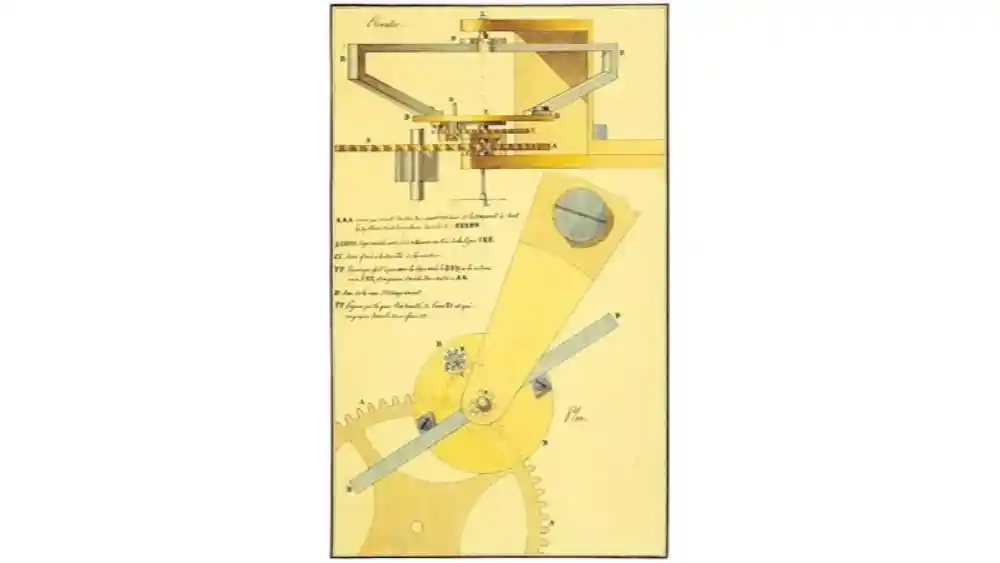
1801
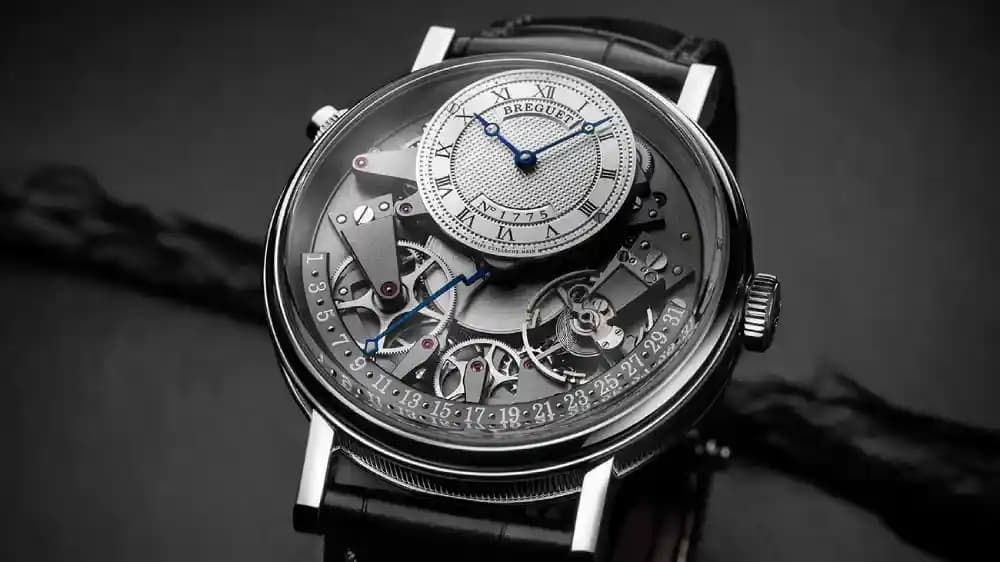
Breguet patents the tourbillon, which becomes one of the most iconic complications in watchmaking history.
1810
Breguet creates the Breguet No. 2639 for the Queen of Naples, widely regarded as the world's first wristwatch.

1999
Breguet officially becomes part of the Swiss Swatch Group.
2025
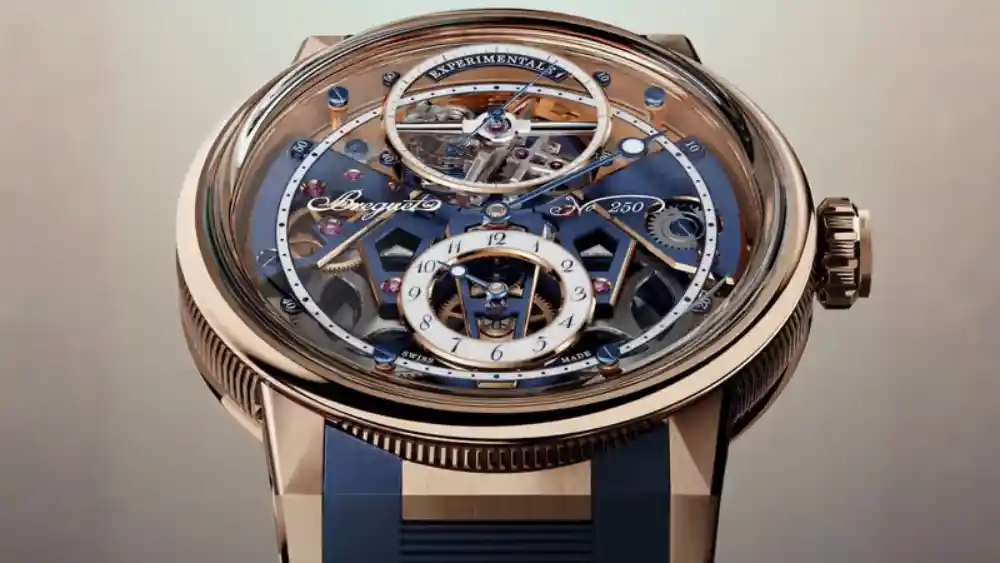
The brand celebrates its 250th anniversary with the launch of Expérimentale, an entirely new R&D-focused collection, featuring the brand's first-ever high-frequency tourbillon with a magnetic escapement.
1775
Abraham-Louis Breguet opens his workshop on the Île de la Cité in Paris, founding the Breguet Maison.
Value retention varies by collection, complication, and rarity. Models featuring the tourbillon or other high complications tend to see consistent collector demand given their technical complexity and limited production, while tool-watch collections like the Type XX also draw strong interest from serious collectors thanks to their historical roots. Feel free to reach out to the Aristo Watch team for insight on specific models.
The tourbillon was invented by Abraham-Louis Breguet in 1801. By placing the escapement and balance wheel inside a continuously rotating cage, it offsets the positional errors caused by gravity on a movement, improving timekeeping accuracy. While modern materials and manufacturing techniques have greatly reduced the practical impact of gravity, the tourbillon remains an iconic symbol of high complication watchmaking.
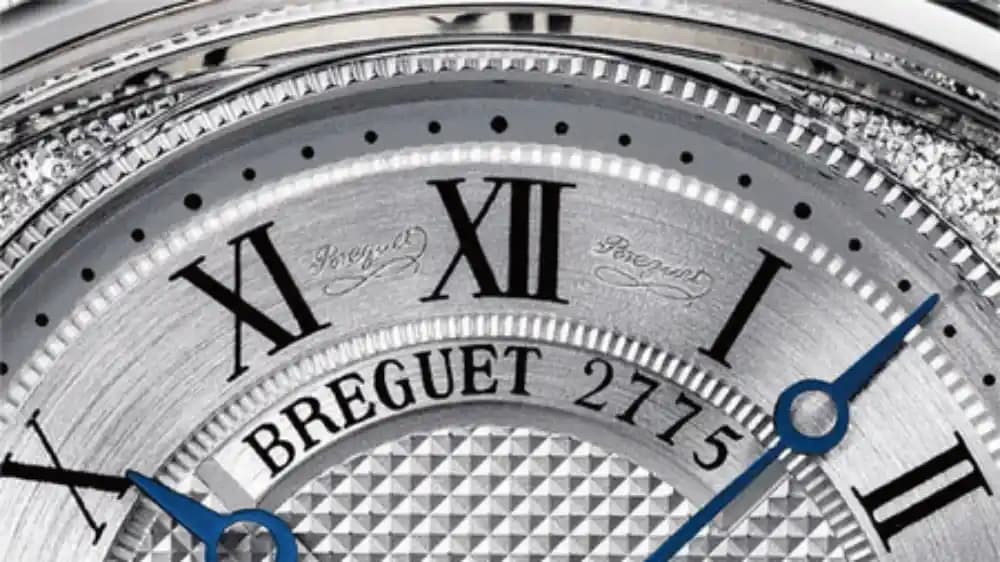
Breguet's signature elements include the engine-turned guilloché dial, Breguet hands (with their distinctive off-centre, hollow tips), the fluted caseband, and a hidden secret signature on the dial used for authentication. These elements trace back to the founder's design language from over two centuries ago and remain the most important visual markers of the brand's identity today.
Aristo Watch offers the Aristo Care protection plan, which includes a complimentary annual watch check-up for Breguet timepieces, along with discounted pricing (up to 50% off) on Anti Pro screen protection film. KoverNow comprehensive insurance is also available as an optional add-on for extra peace of mind.
The Classique carries forward the founder's defining aesthetic directly, with a round case and engine-turned dial for a more traditional, dressy character. The Marine blends nautical themes with a more contemporary sport edge, giving it a tougher, more practical feel. Both are core collections in current production — the right choice comes down to personal style and occasion.
Beyond matching the collection and style to your taste, it's worth checking the movement type (manual or automatic), whether it features a tourbillon or other complications, and the case material, as these all affect the watch's overall value and wearing experience. Feel free to reach out to the Aristo Watch team — we know the market well and can offer specific buying advice.
Breguet was founded in 1775 by Abraham-Louis Breguet, making it one of the oldest watchmaking houses still in existence. The founder's inventions — the tourbillon, the self-winding mechanism, and the secret signature, among others — became foundational elements of modern watchmaking, earning him the nickname "the Leonardo da Vinci of watchmaking" among peers. This gives Breguet an irreplaceable place in the history of fine horology.