Shopping Bag (0)

Your bag is empty.


Born from the Racetrack, Built to Last
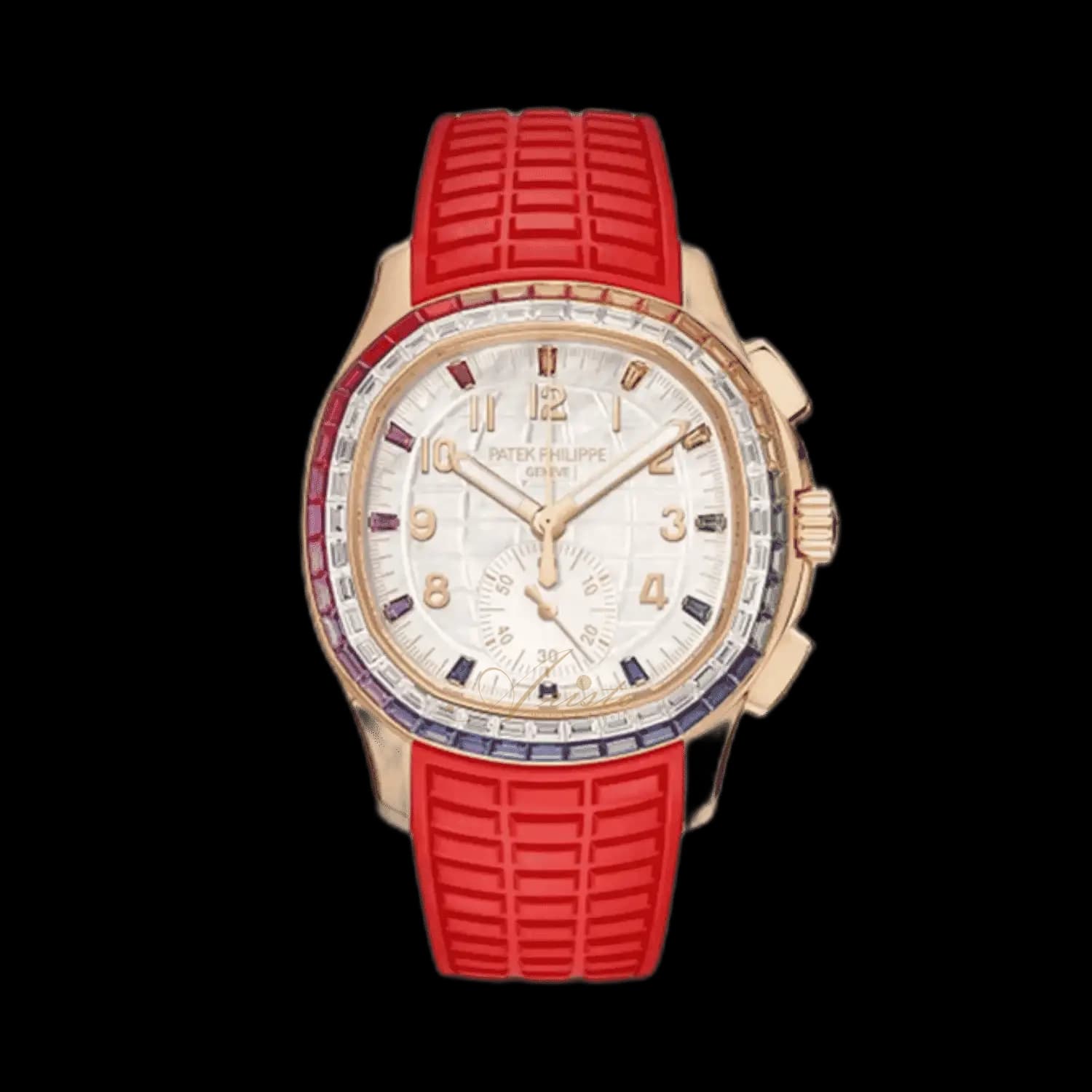
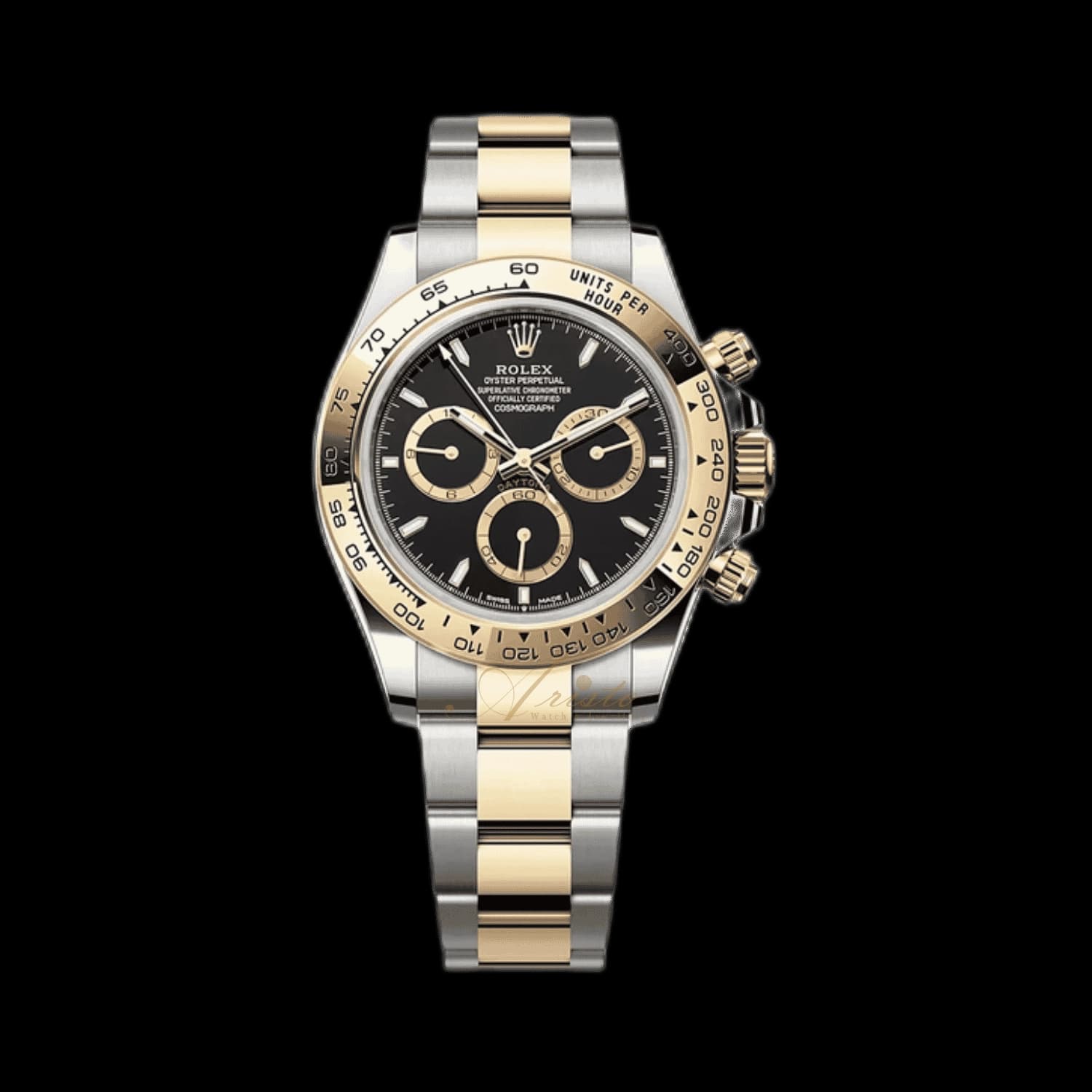
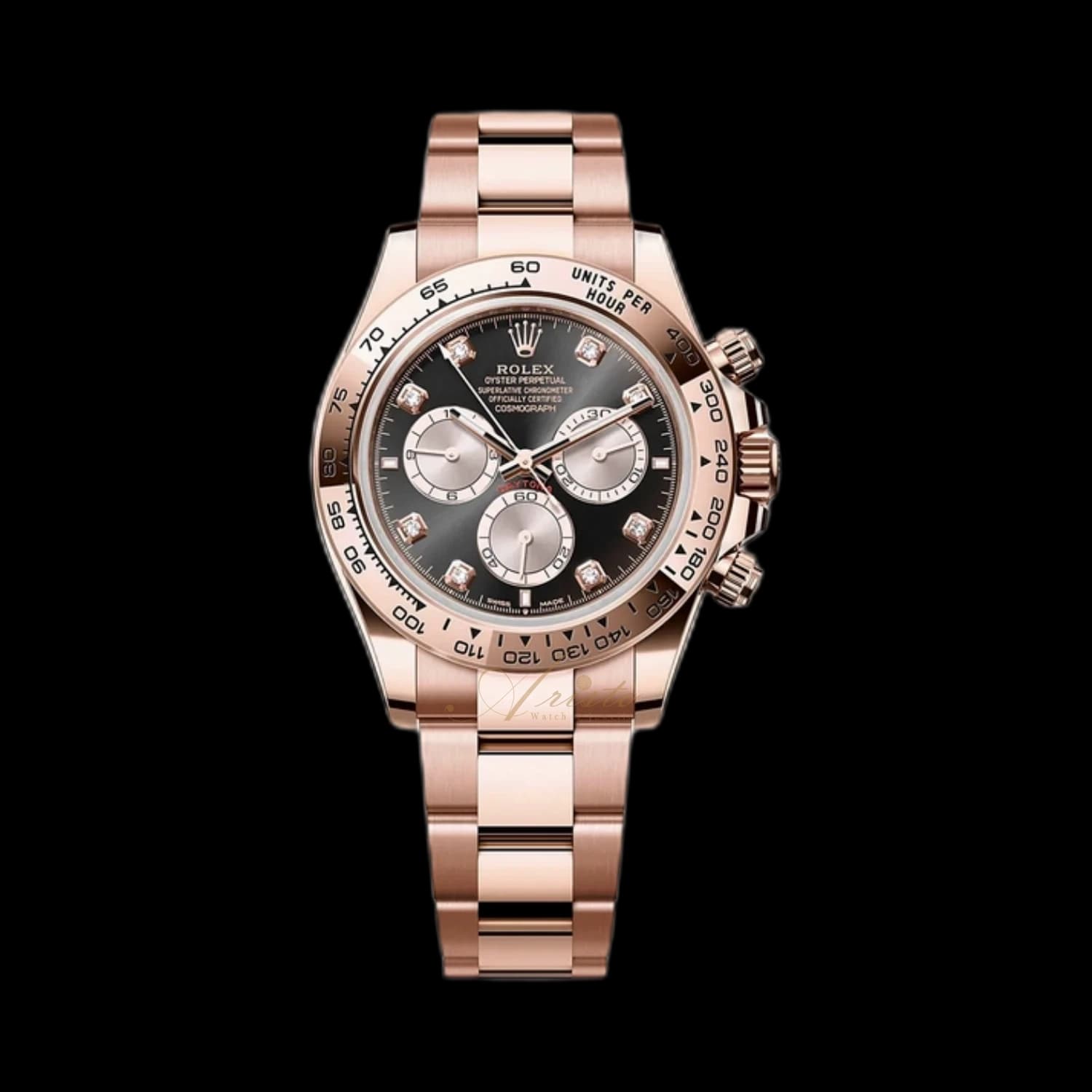
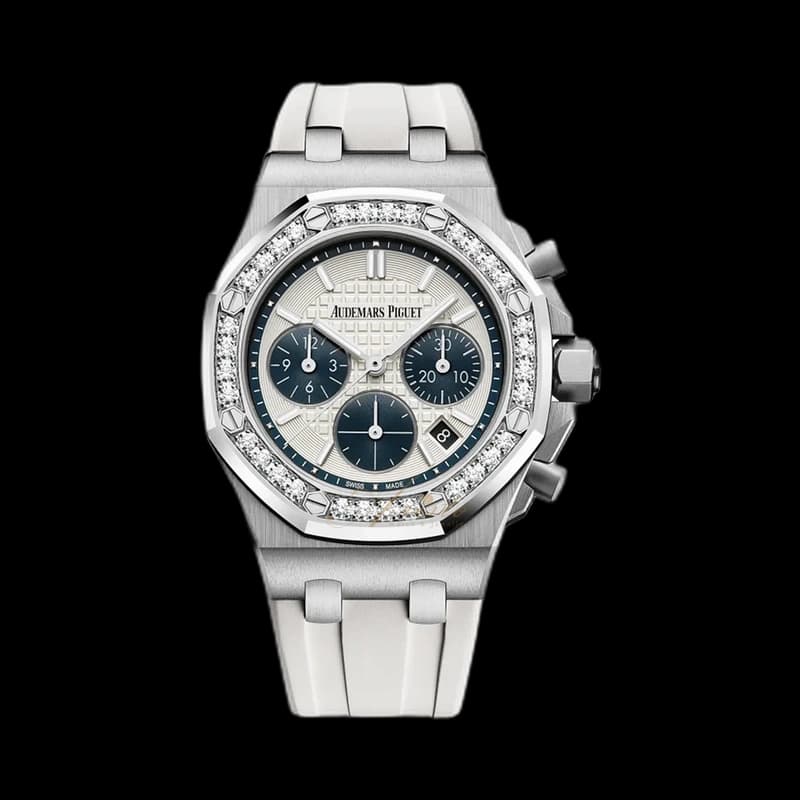
The chronograph is one of the few watch categories where mechanical complexity and collector demand genuinely align. From the Rolex Daytona's racetrack legend to the AP Royal Oak Offshore's commanding sports aesthetic and the Omega Speedmaster's place in space exploration history — every chronograph tells a story worth reading. Aristo Watch curates the most compelling chronograph references available, with transparent pricing and immediate in-store availability.
Most chronographs feature two pushers: the button at 2 o'clock starts and stops the chronograph function, while the button at 4 o'clock resets it to zero. The sub-dials on the dial face track elapsed minutes and hours, allowing the wearer to measure a specific time period independently of the main timekeeping function.
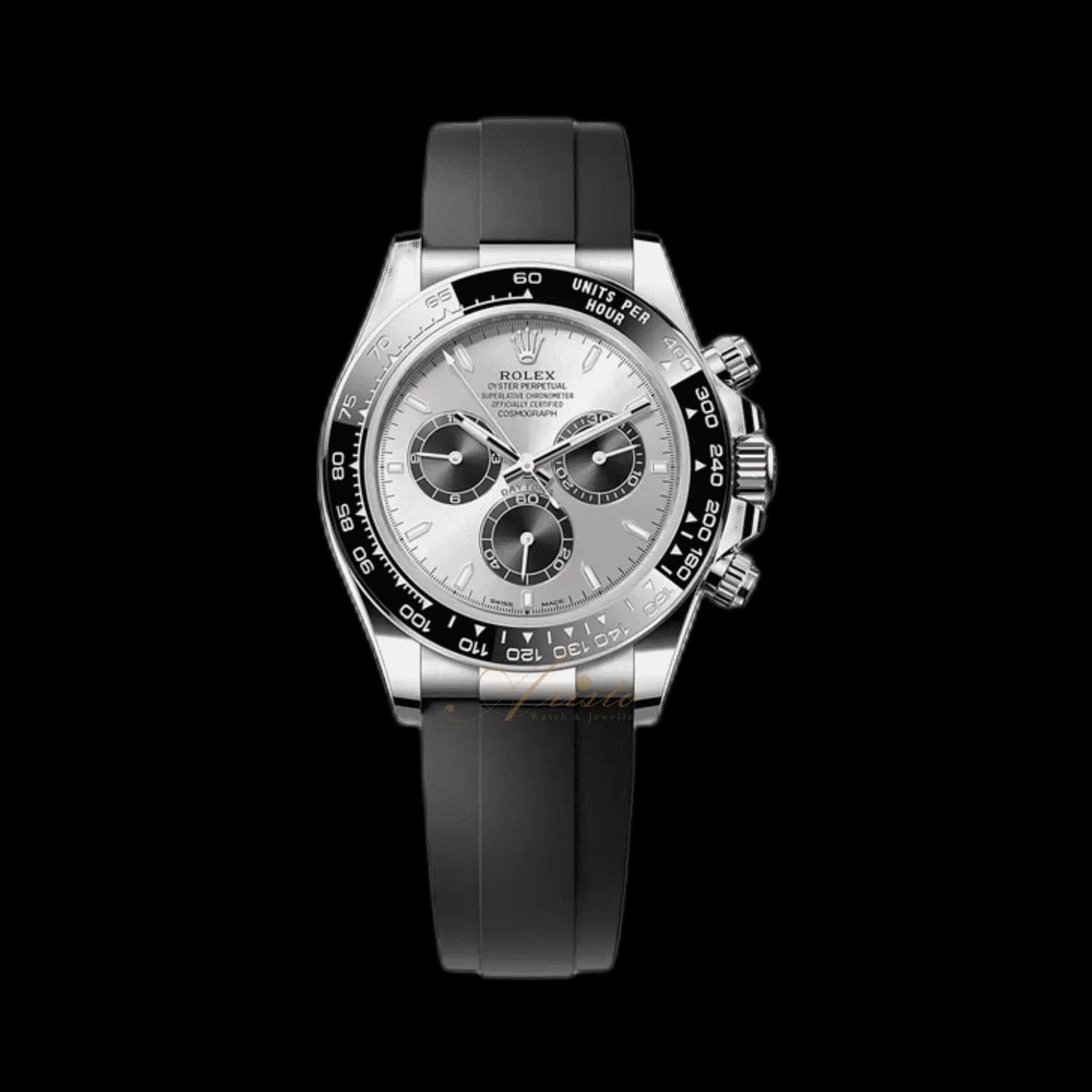
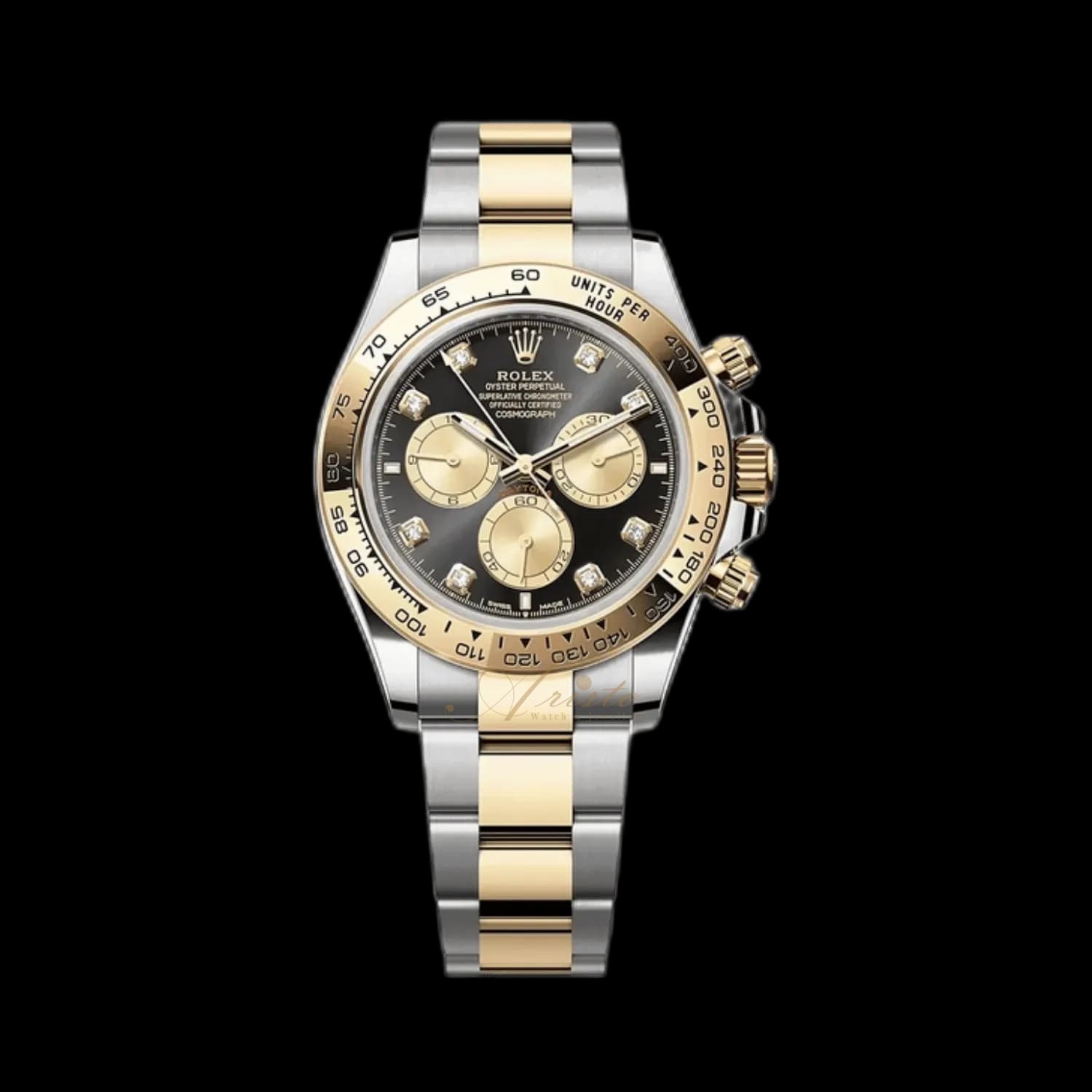
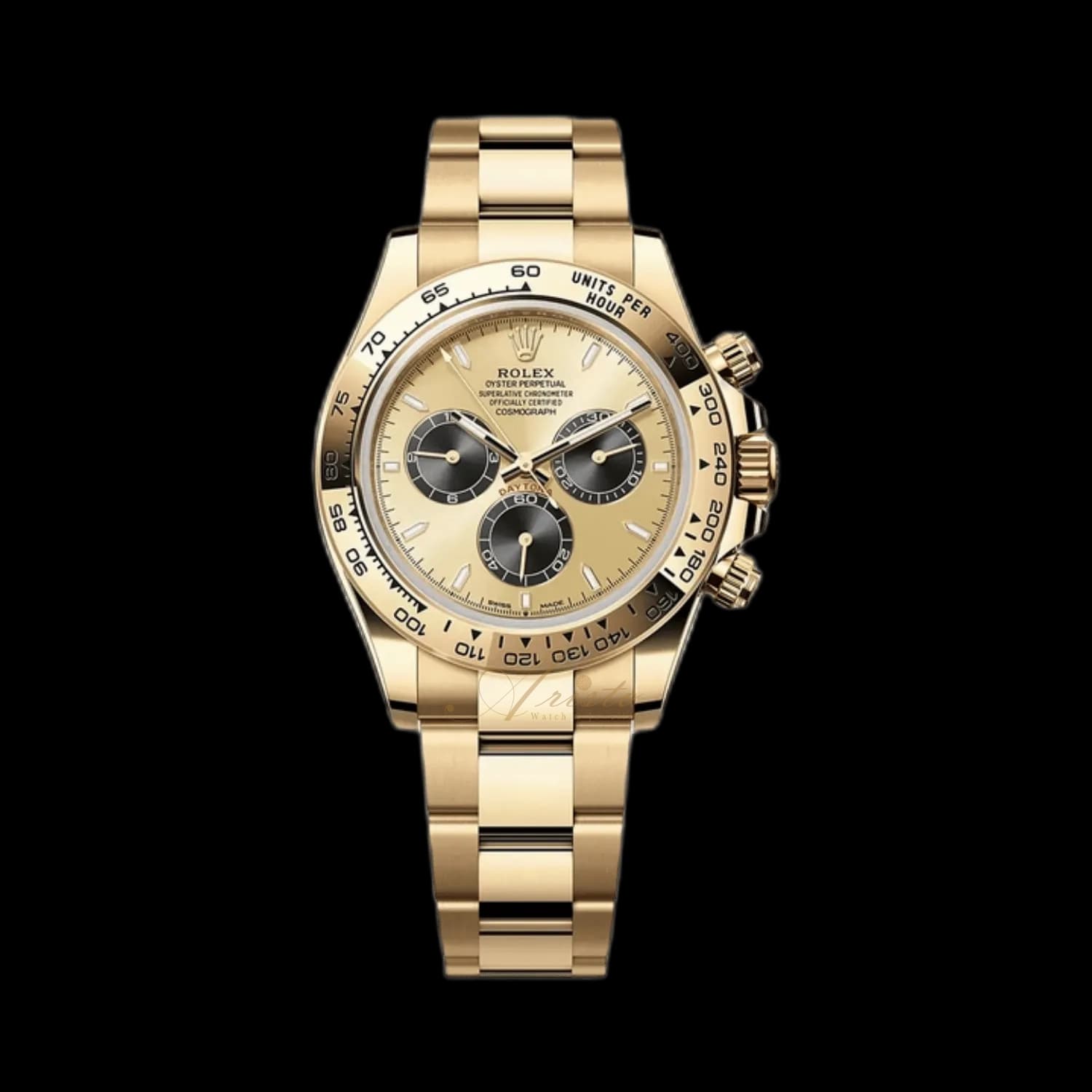
The Rolex Cosmograph Daytona in stainless steel is the benchmark for chronograph value retention — particularly popular dial configurations maintain consistent premiums. The AP Royal Oak Offshore Chronograph benefits from the brand's underlying scarcity. The Omega Speedmaster Moonwatch holds a unique position in the collector market driven by its irreplaceable space exploration heritage and loyal global following.
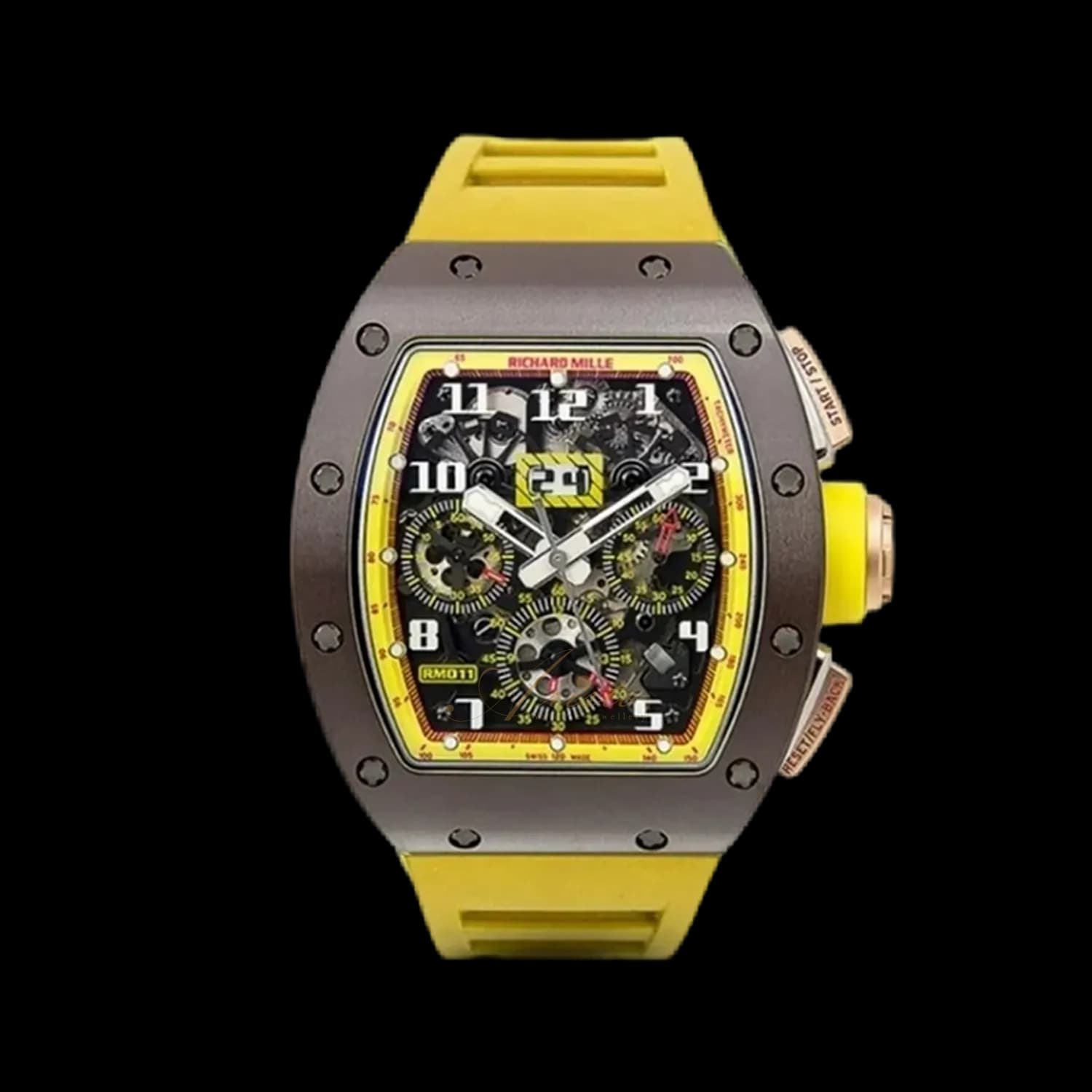
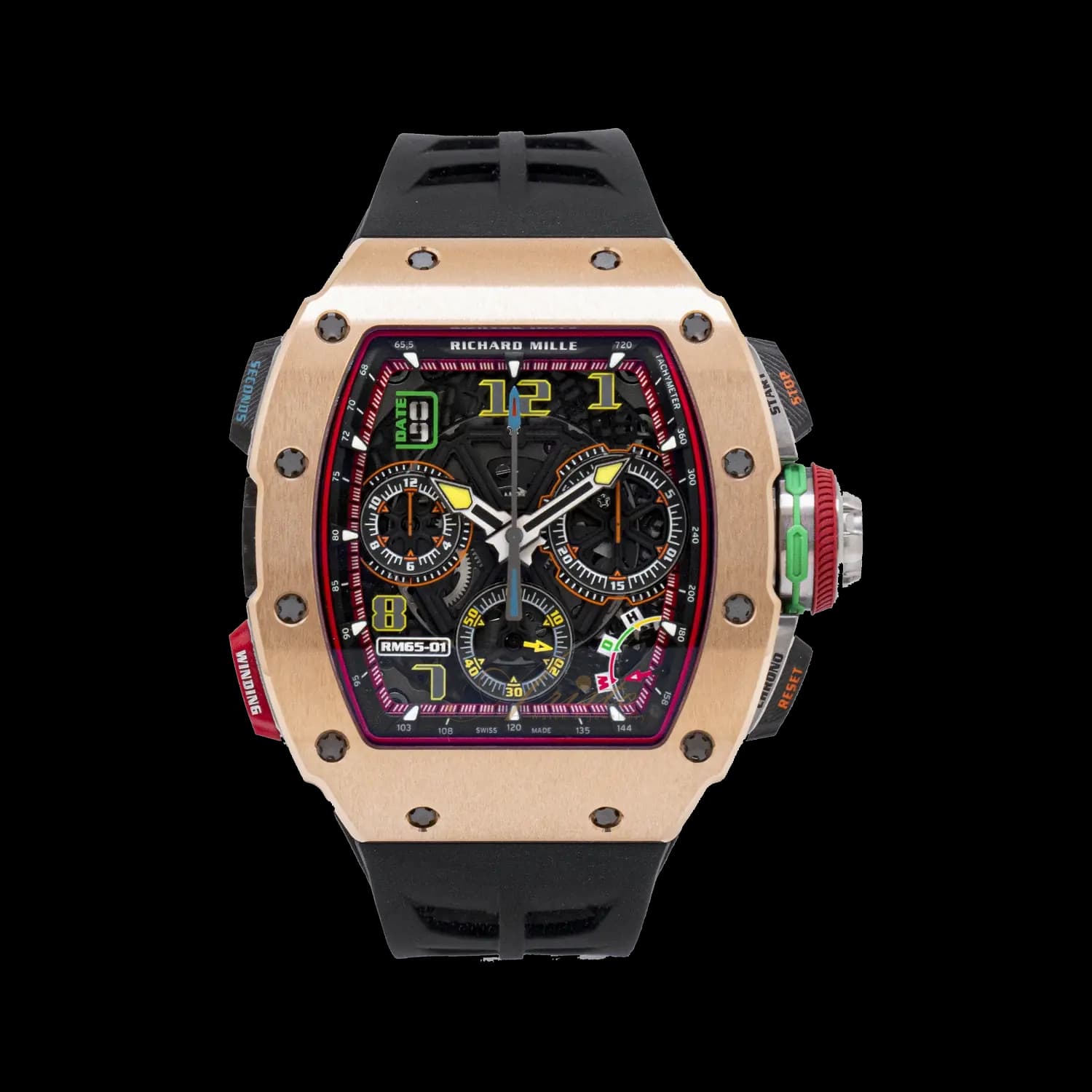
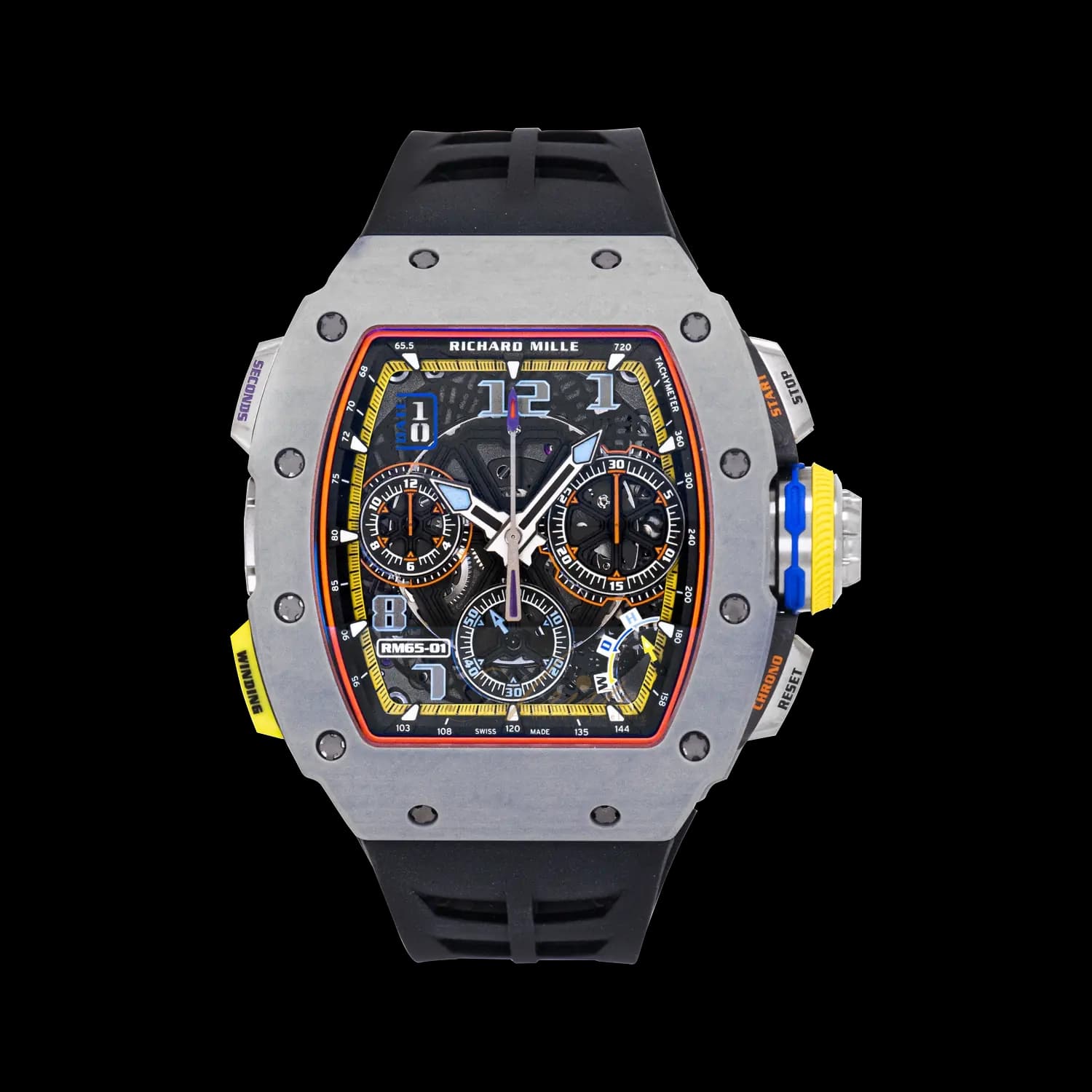
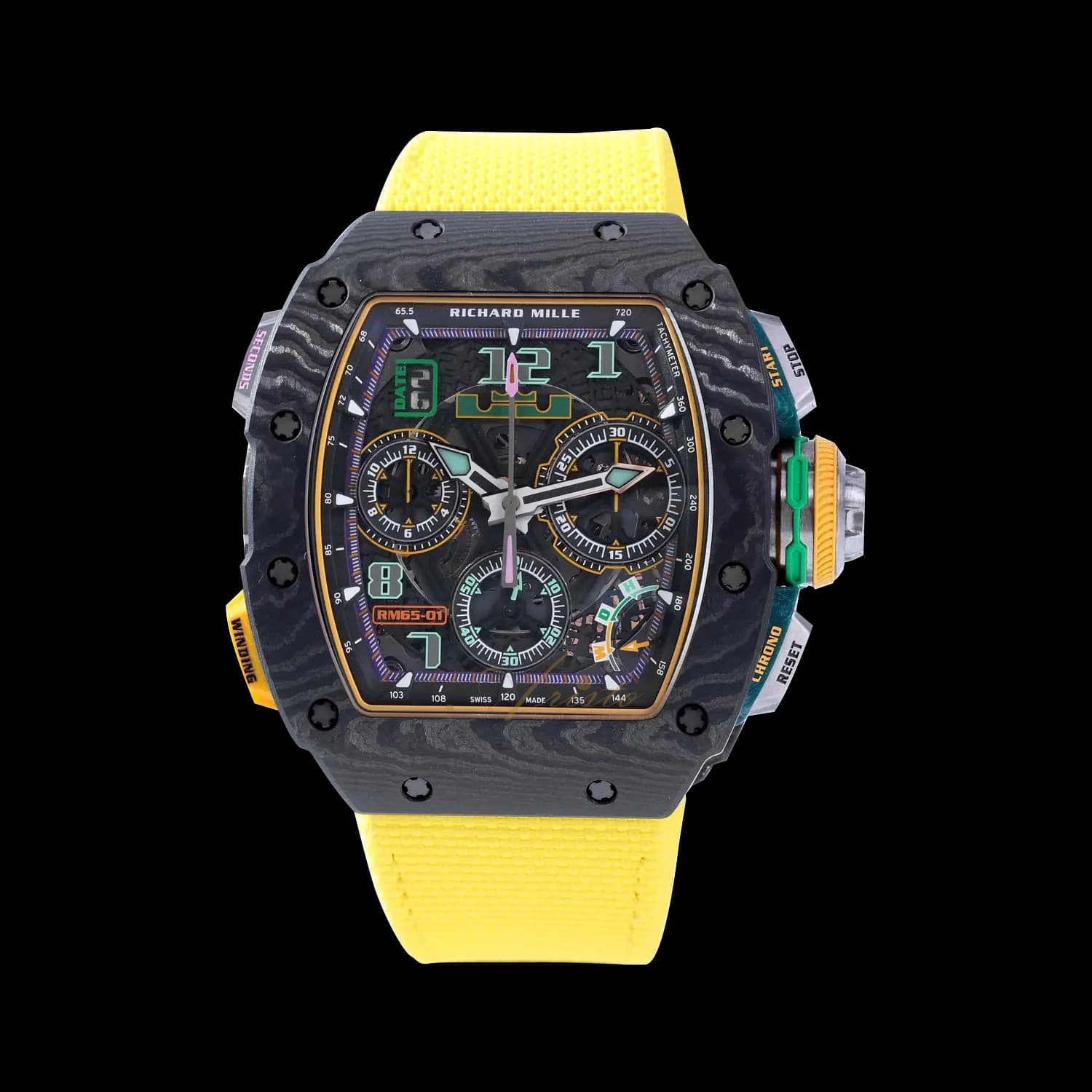
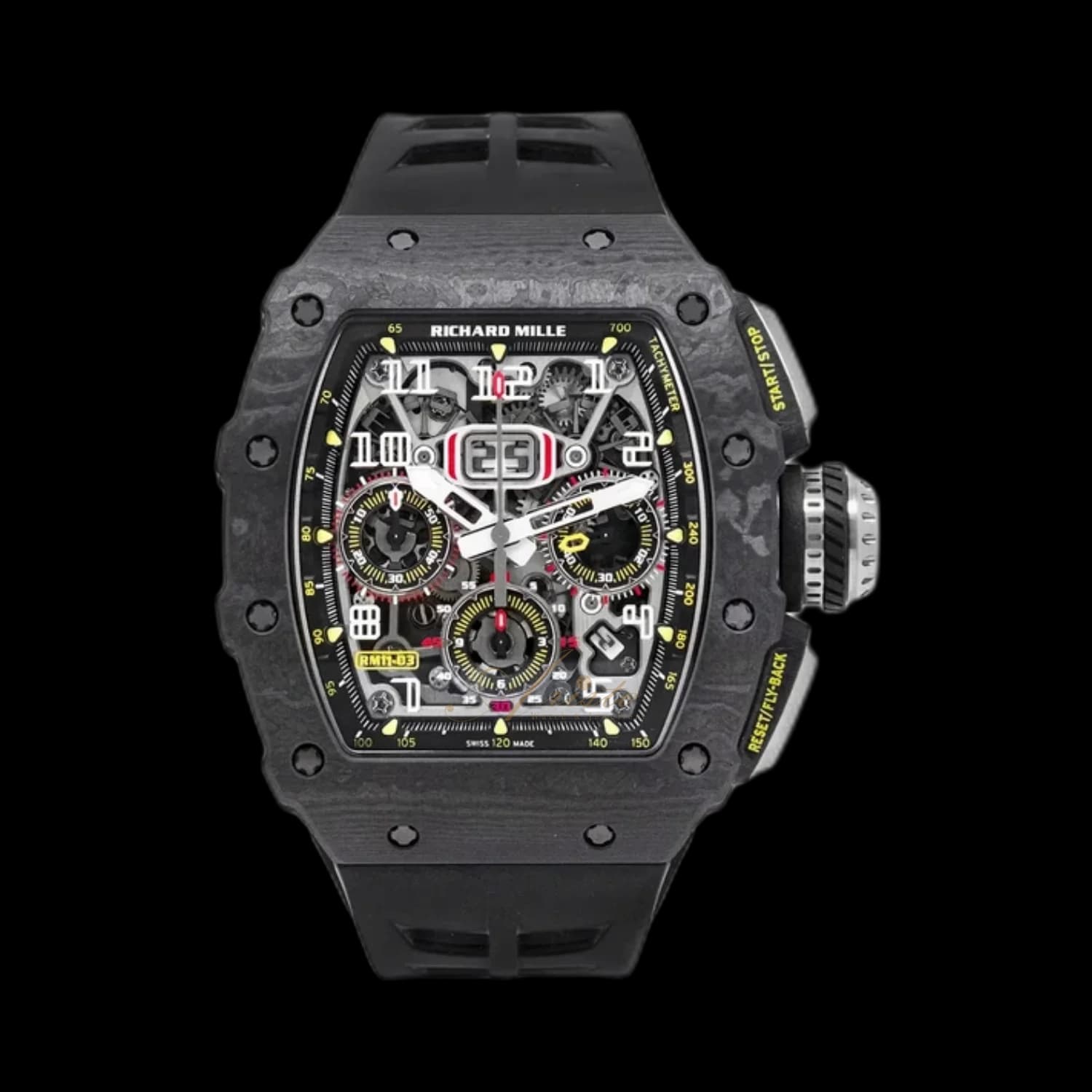
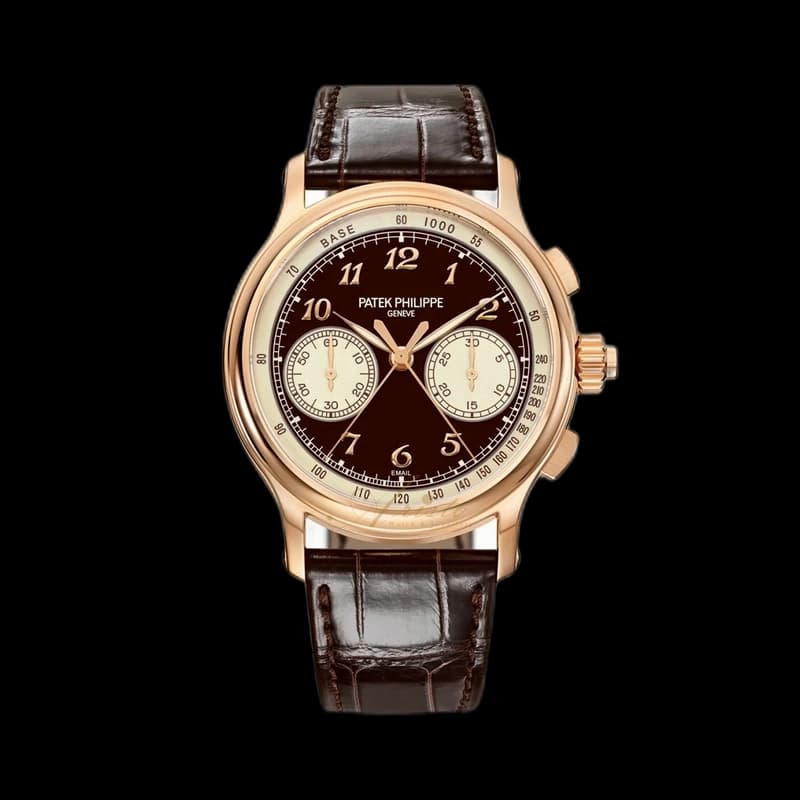
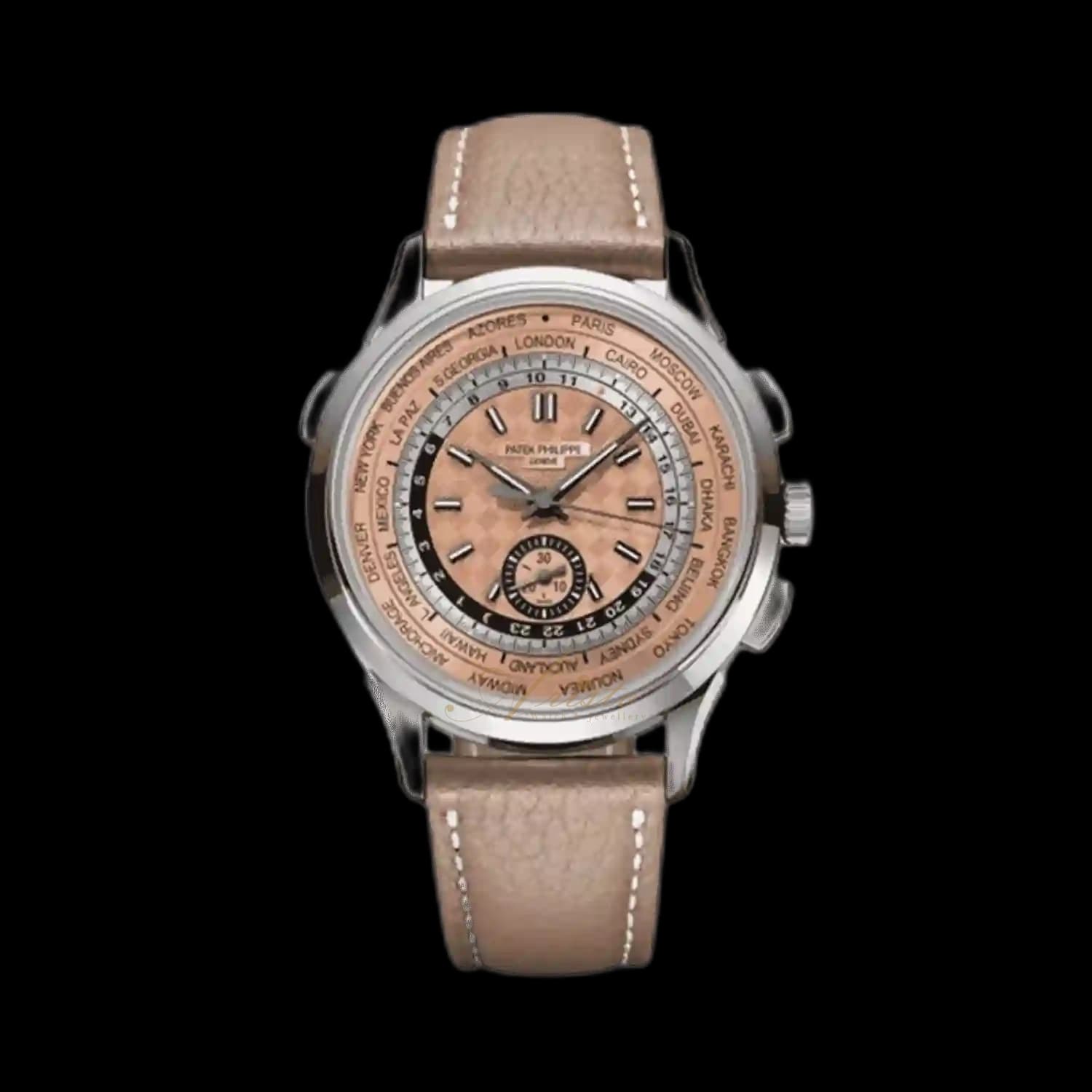
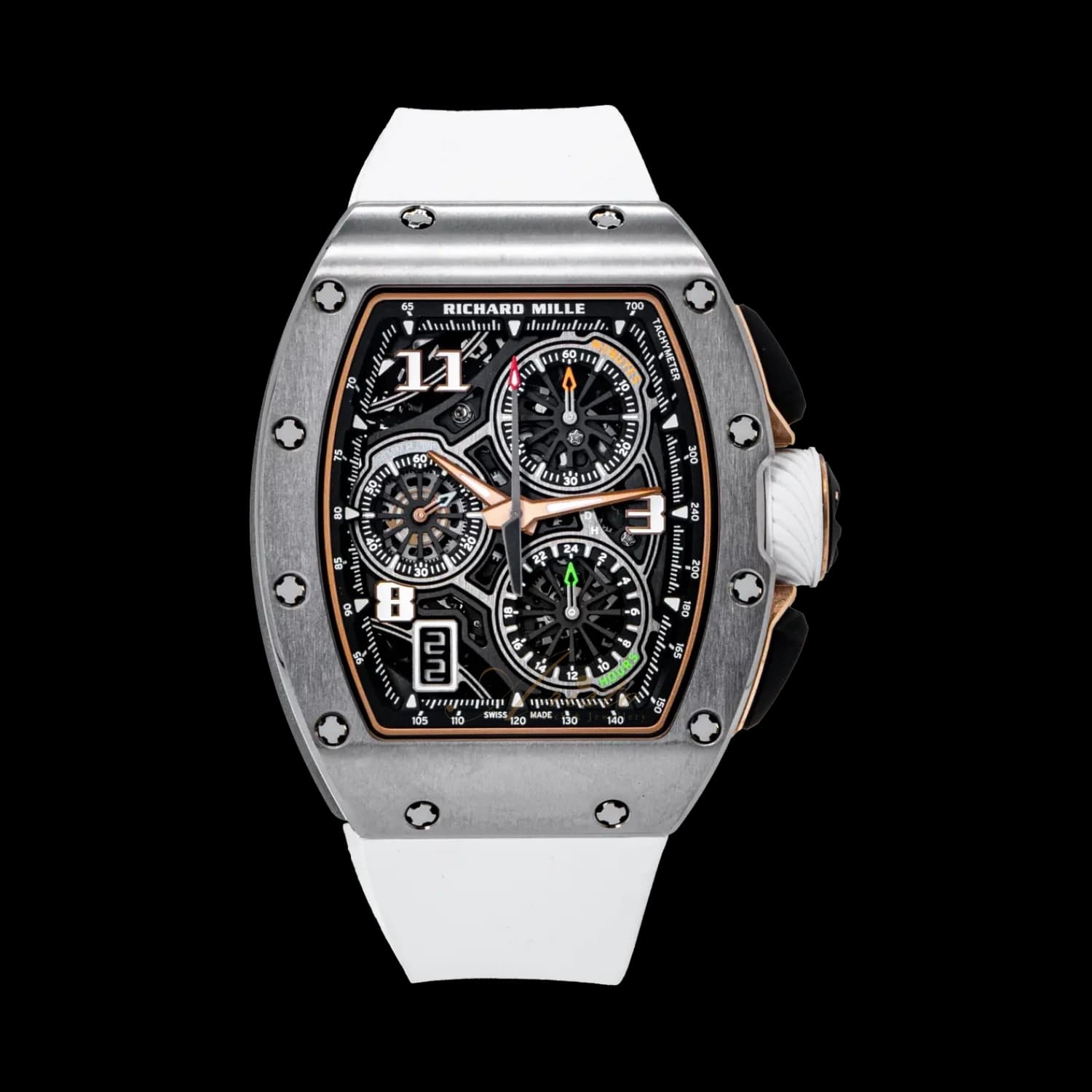
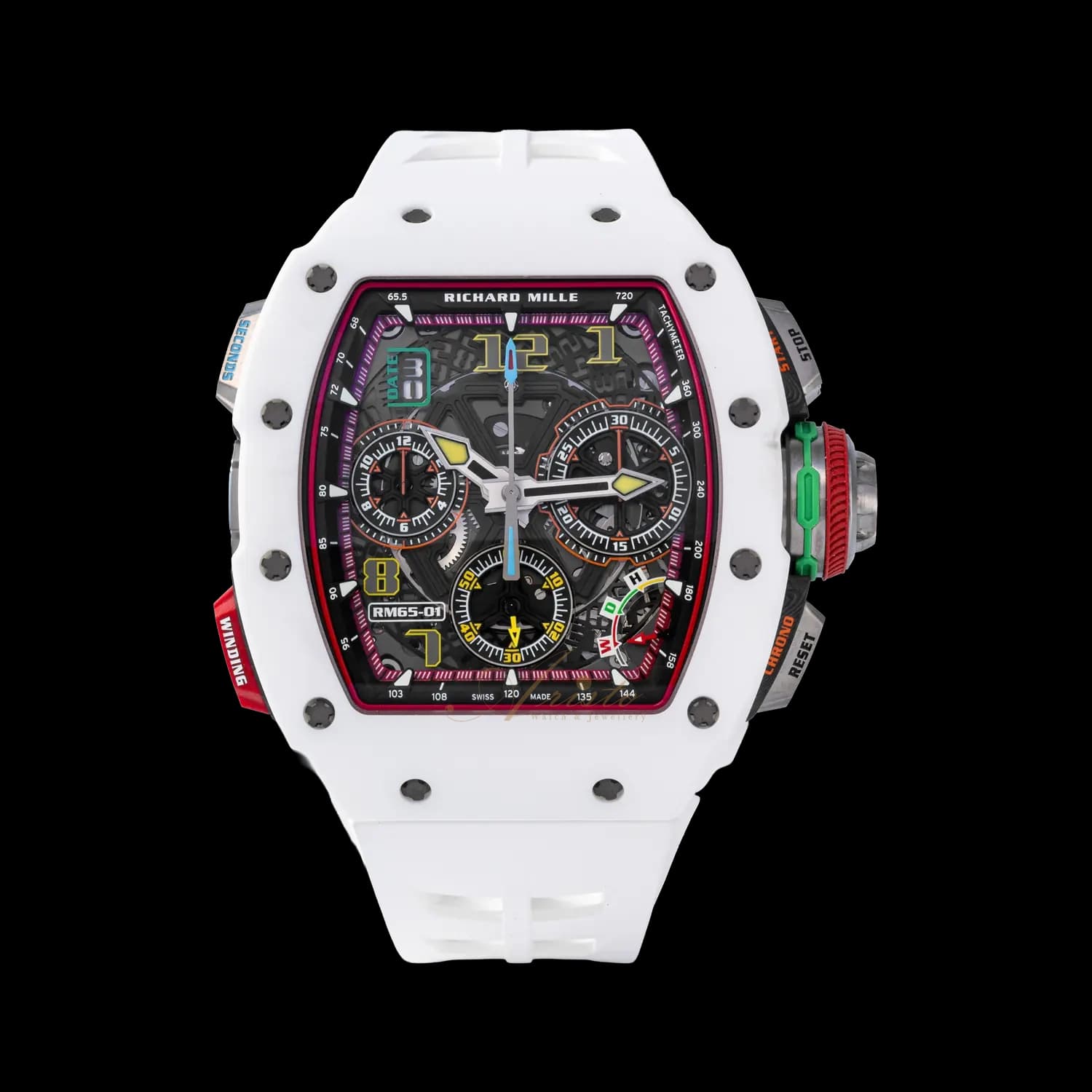
A standard chronograph has one timing hand and can only measure a single elapsed period at a time. A split-seconds or rattrapante chronograph features two coaxial timing hands that start together, then split independently to capture two simultaneous time intervals before rejoining. It is among the most mechanically demanding complications in watchmaking. Representative references include the Richard Mille RM 65-01 and Patek Philippe Ref. 5370P.
Entirely. Modern chronographs are built for regular use — pushers operate smoothly, water resistance is more than adequate for daily life, and the sporty aesthetic transitions naturally between formal and casual settings. A Daytona with a suit or a Speedmaster with weekend wear are both collector-approved combinations.
Manual-winding chronographs — such as the original Omega Speedmaster Moonwatch — require daily hand-winding via the crown. Cases tend to be slimmer, and the movement reflects a more traditional approach to watchmaking that appeals strongly to purists. Automatic chronographs wind through wrist movement, offering greater daily convenience. Both have dedicated followings — the right choice depends on wearing habits and collecting philosophy.