Shopping Bag (0)

Your bag is empty.
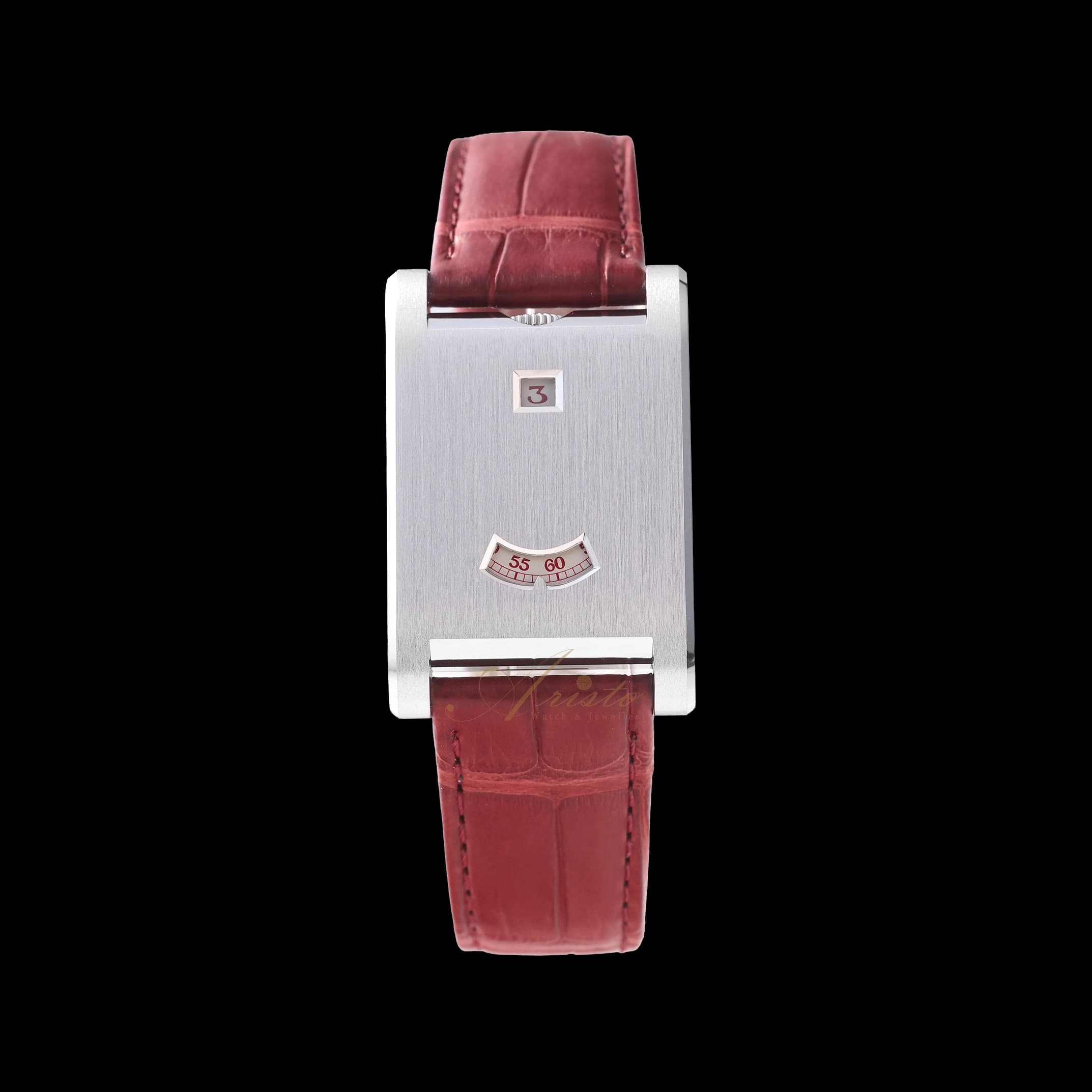
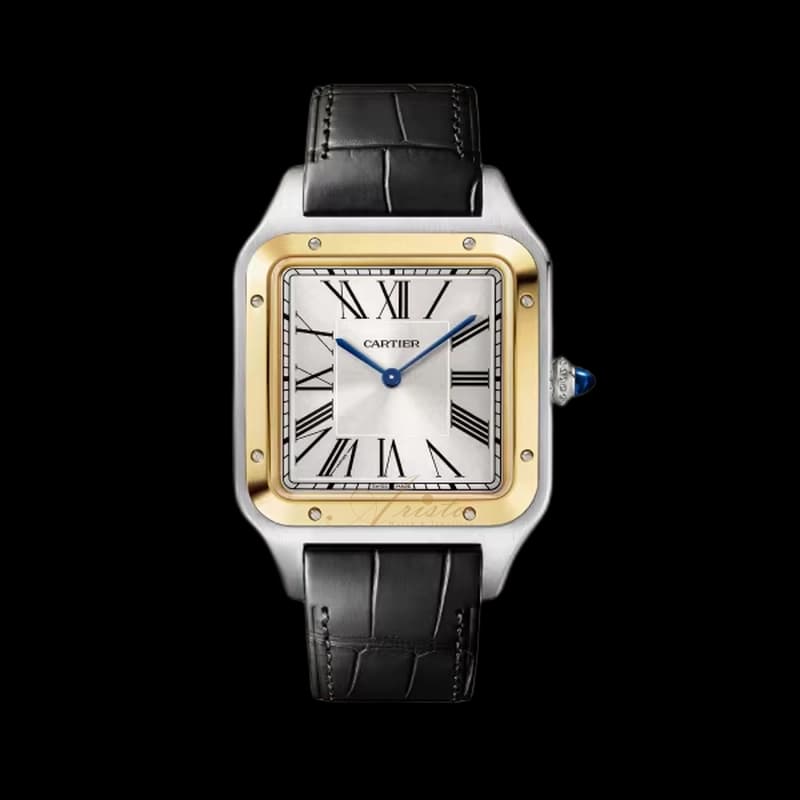
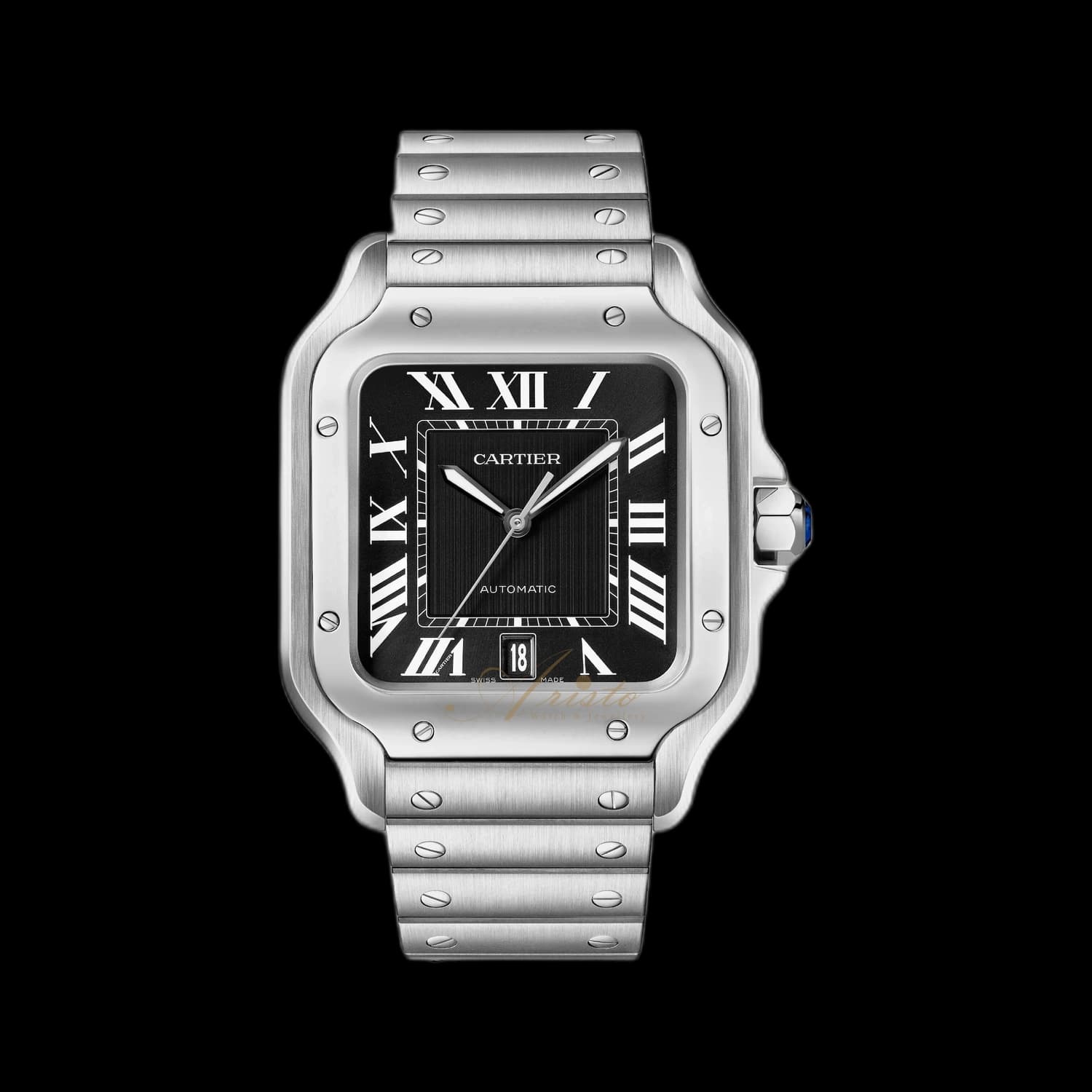
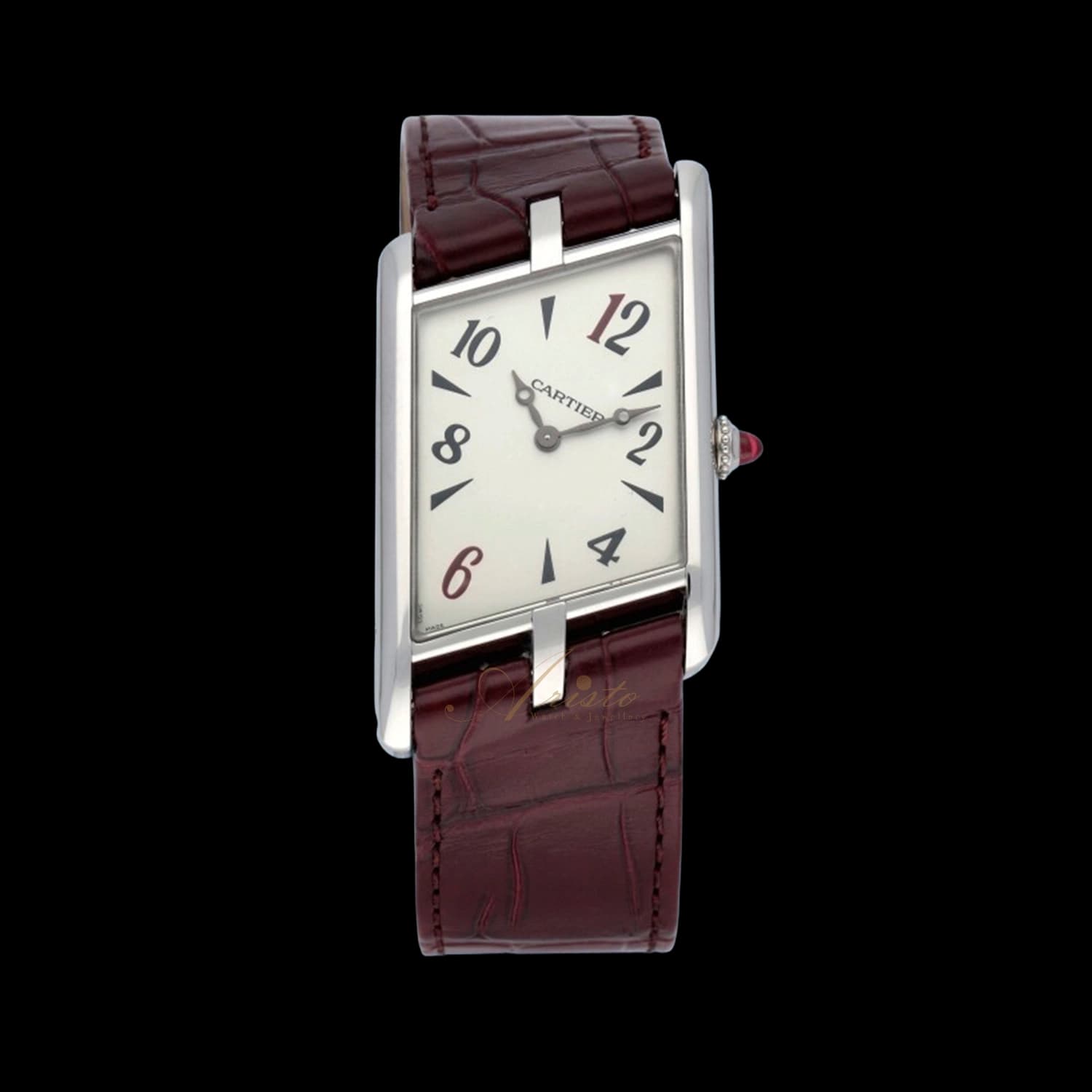
Explore the world of Cartier — where jewellery craftsmanship meets watchmaking history. From the Santos, which redefined what a wristwatch could be, to the Tank, whose tank-inspired lines have defined an era, Cartier brings the precision of fine jewellery into every mechanical creation. Aristo Watch offers a wide selection of Cartier timepieces with transparent market pricing, giving you a closer look at this Parisian jewellery house turned global icon.
Sort by
In 1847, Louis-François Cartier founded the Maison in Paris, marking the start of a jewellery dynasty. In 1904, Louis Cartier designed a wristwatch for his aviator friend Alberto Santos-Dumont — widely regarded as the first men's wristwatch, freeing the watch from its identity as women's jewellery. In 1917, inspired by the silhouette of WWI tanks, the Tank collection debuted, its bold rectangular lines becoming the Maison's most enduring design signature. A jewellery house had come to define a century of watchmaking.
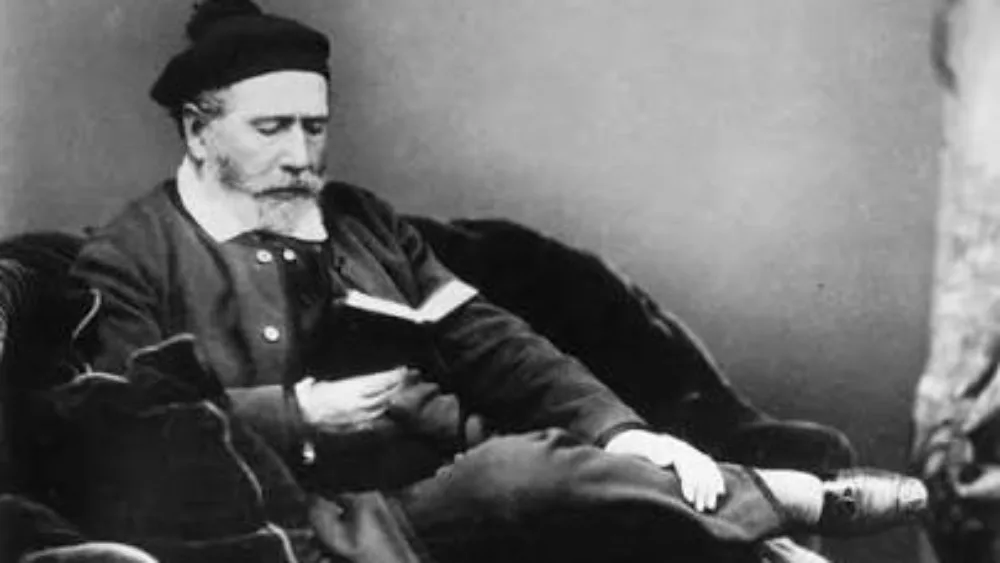

In 1847, Louis-François Cartier founded the Maison in Paris, marking the start of a jewellery dynasty. In 1904, Louis Cartier designed a wristwatch for his aviator friend Alberto Santos-Dumont — widely regarded as the first men's wristwatch, freeing the watch from its identity as women's jewellery. In 1917, inspired by the silhouette of WWI tanks, the Tank collection debuted, its bold rectangular lines becoming the Maison's most enduring design signature. A jewellery house had come to define a century of watchmaking.

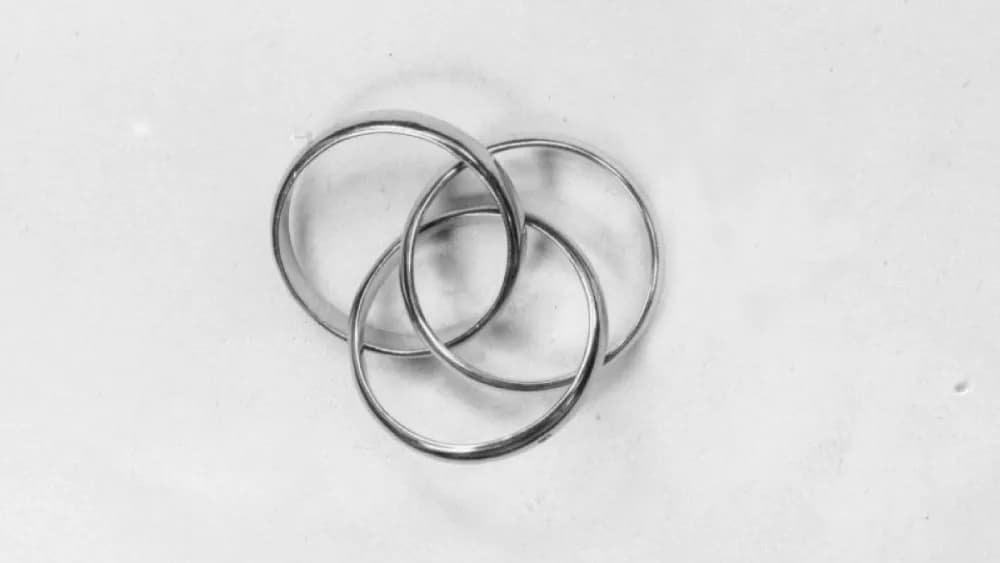


1847
Louis-François Cartier takes over his mentor Adolphe Picard's workshop in Paris, founding Cartier and beginning a jewellery dynasty.
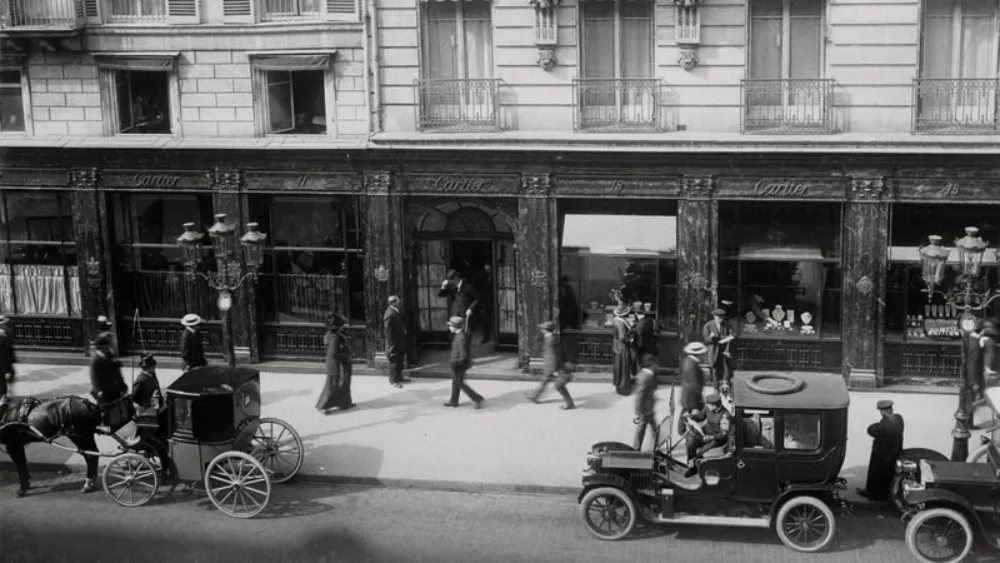
1899
The Maison relocates to Rue de la Paix in Paris, cementing its status and marking the starting point of its international expansion.
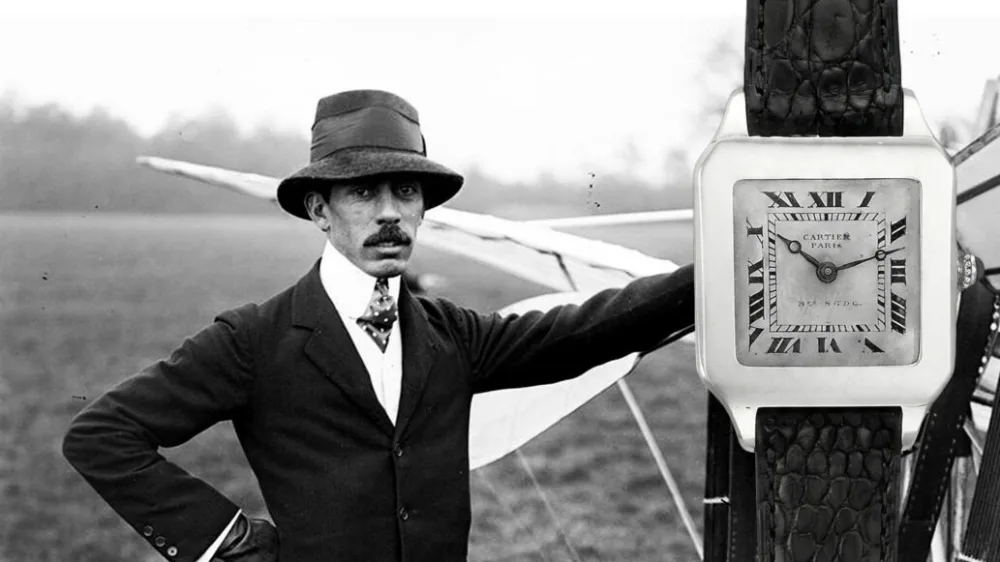
1904
Louis Cartier designs a wristwatch for his aviator friend Alberto Santos-Dumont, giving rise to the Santos collection — widely regarded as the first men's wristwatch and a turning point in how the world saw watches.
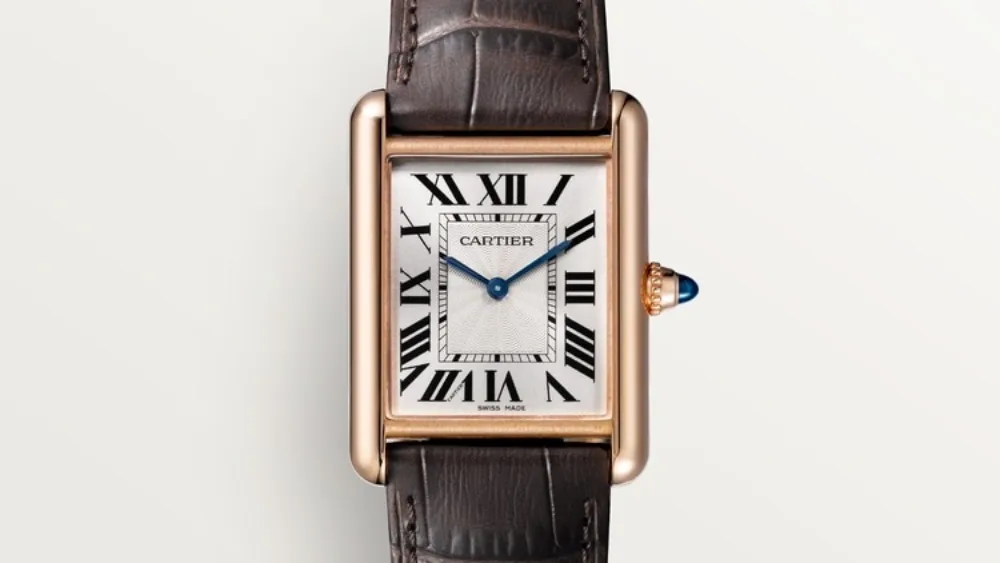
1917
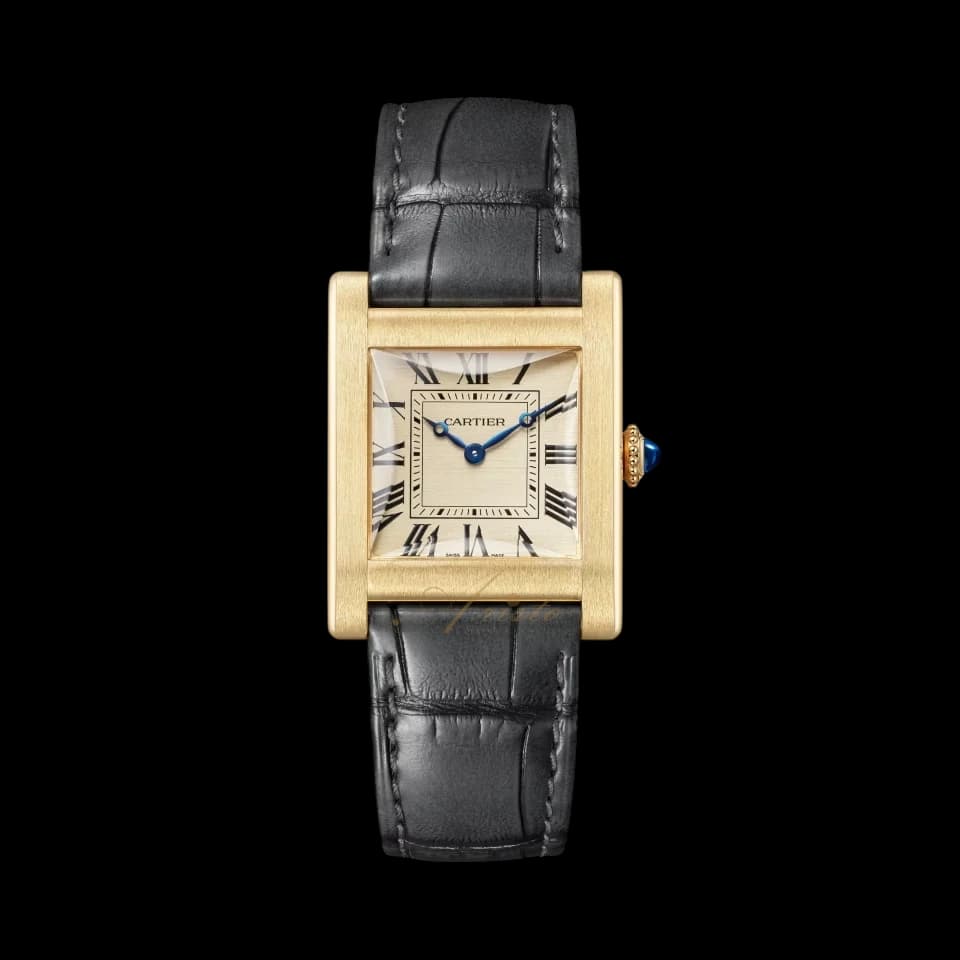
Inspired by the silhouette of WWI tanks, the Tank collection debuts, its bold rectangular lines becoming the Maison's most enduring design signature.
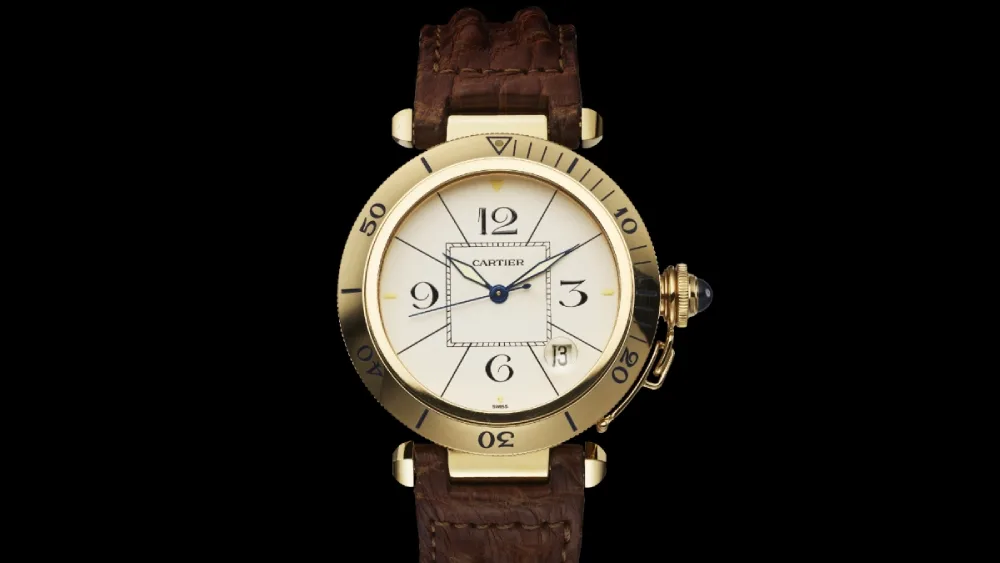
1985
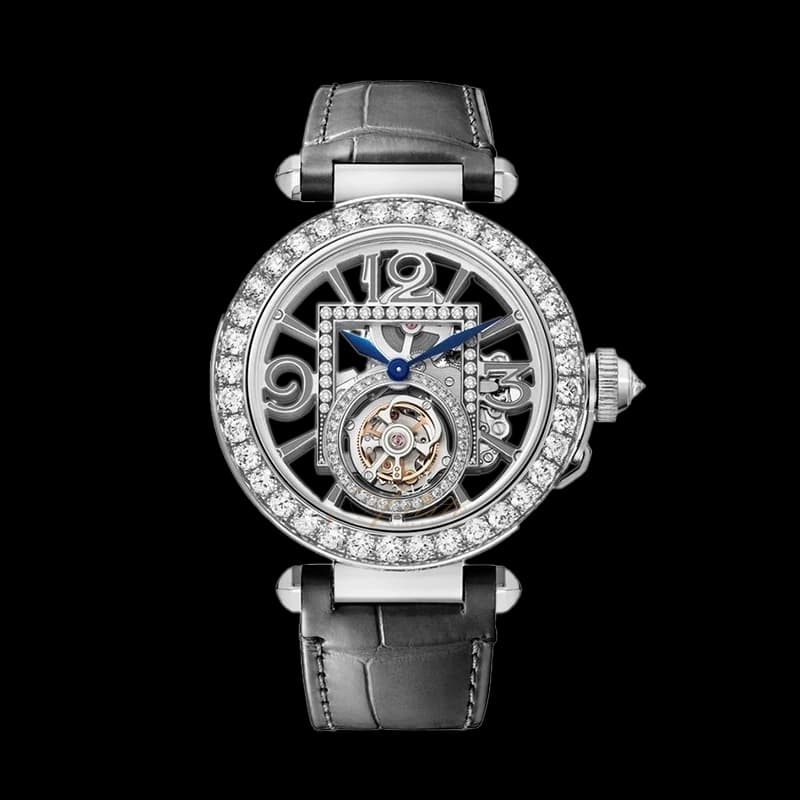
The Pasha collection launches, designed by Gerald Genta, later discontinued in the 2010s as Cartier streamlined its product lines.

1988
Cartier joins the Swiss Richemont Group, with manufacturing in La Chaux-de-Fonds, Switzerland, marking the start of its modern operational era.
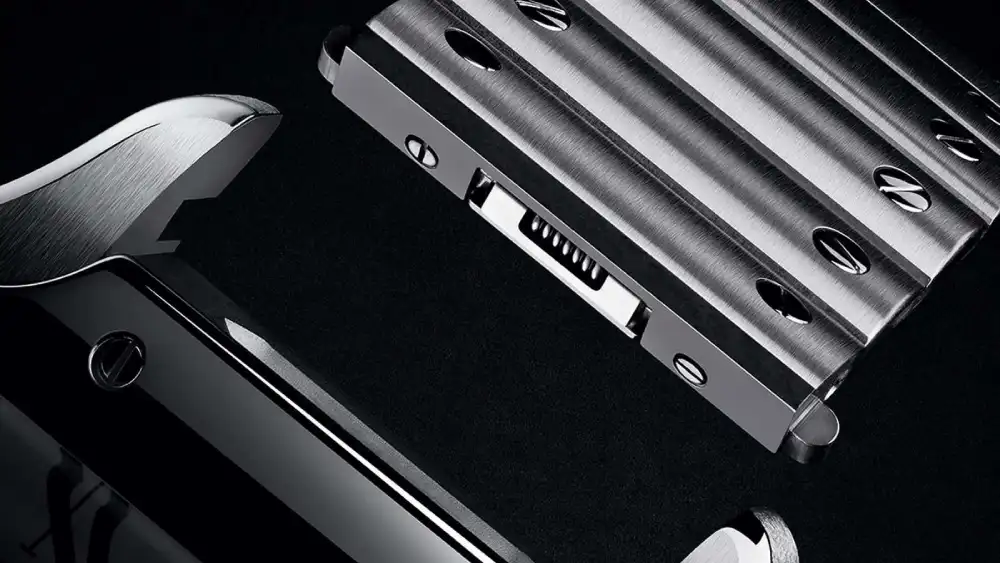
2018
The Santos collection is fully revamped with the QuickSwitch and SmartLink systems, becoming one of the Maison's most popular sport-luxury collections today.

2020
The Pasha collection is officially relaunched, answering years of market demand and marking a key chapter in Cartier's recent strategy of reviving its classic lines.

1847
Louis-François Cartier takes over his mentor Adolphe Picard's workshop in Paris, founding Cartier and beginning a jewellery dynasty.
Cartier began as a jewellery house in 1847 and didn't enter watchmaking until 1904 with the Santos. Today, the Maison runs both businesses side by side, sharing the same craftsmanship heritage and design language — a defining trait that sets Cartier apart from traditional watch brands.
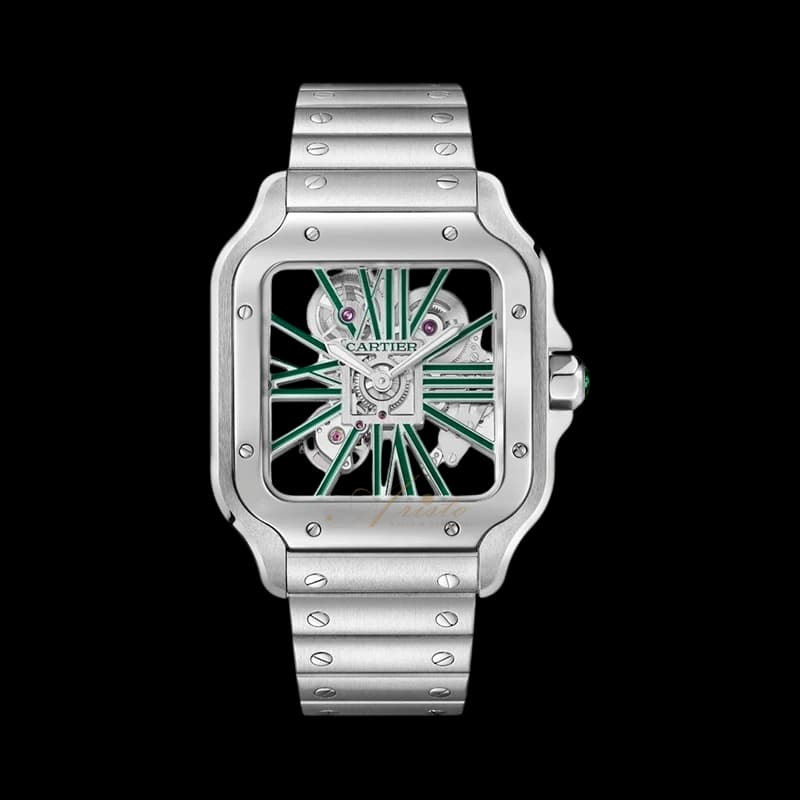
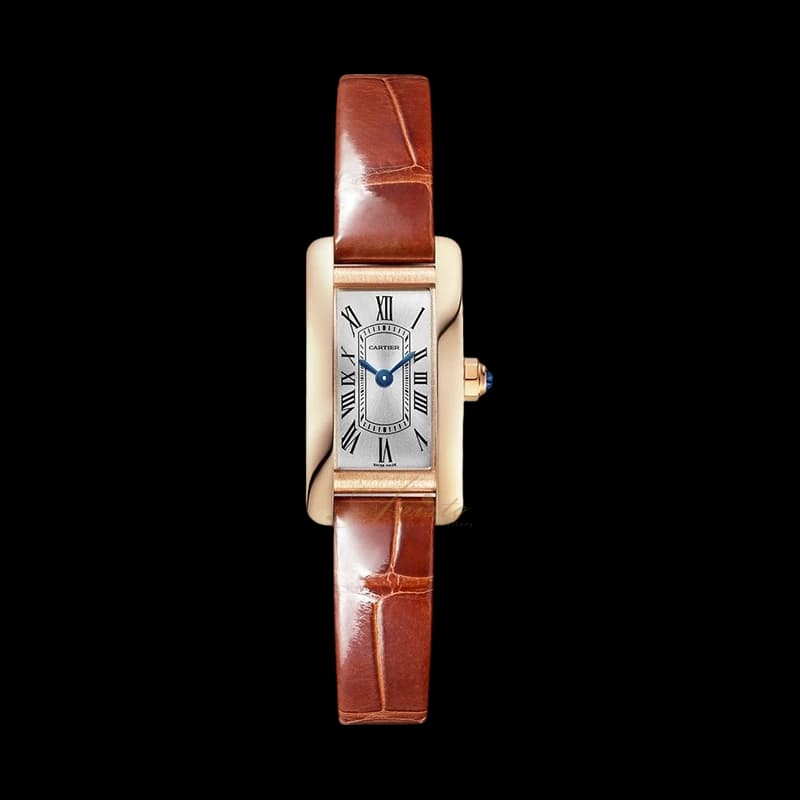
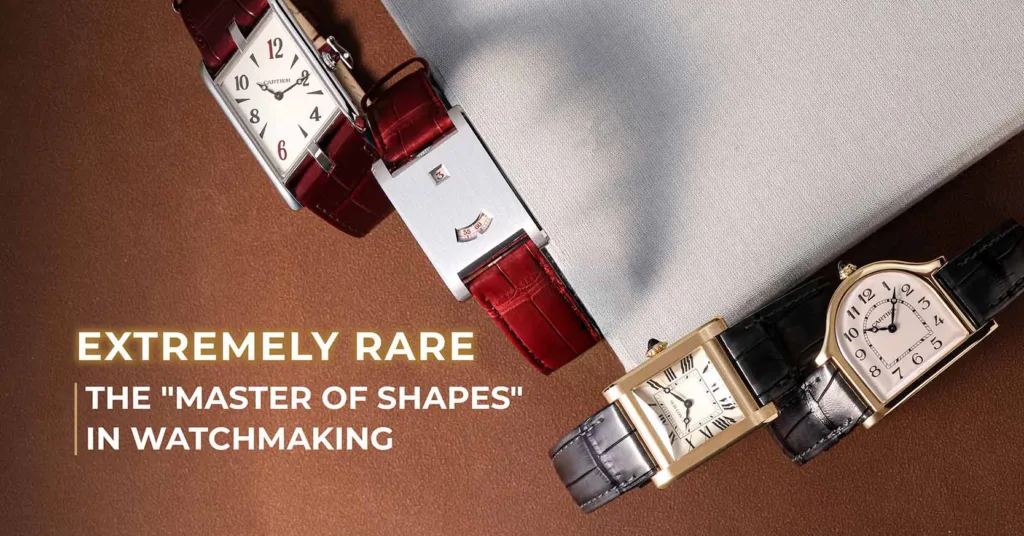
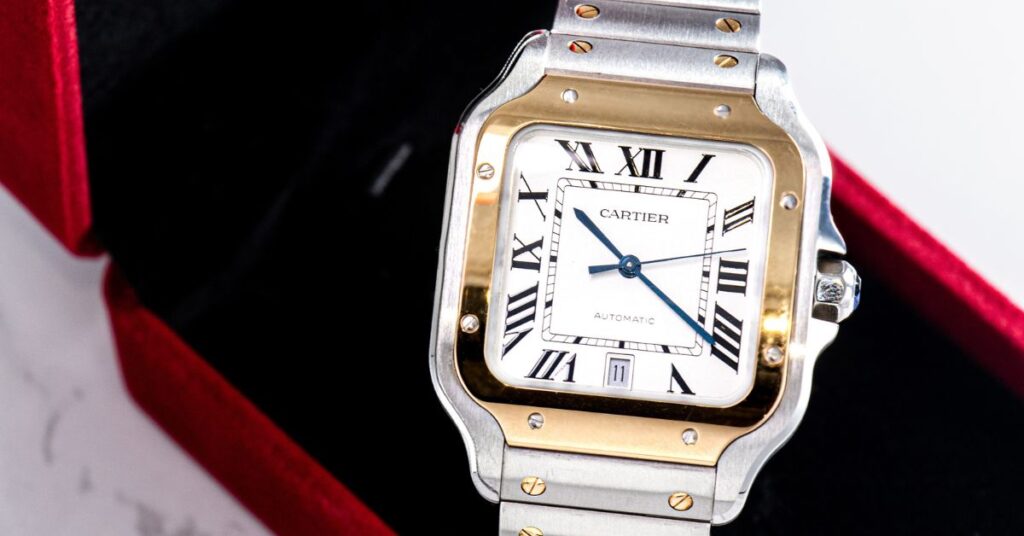
The Tank favours a rectangular case with clean, understated lines and a more formal feel, while the Santos brings a squarer case with exposed screws for a bolder, sportier look. Both are foundational Cartier collections — the right choice comes down to personal style and occasion, not which is "better."
Yes. All current Cartier watches are manufactured in La Chaux-de-Fonds, Switzerland, meeting full Swiss Made standards. Since joining the Richemont Group in 1988, Cartier's watchmaking operations have been integrated into its Swiss manufacturing base, ensuring consistent movement quality and craftsmanship.
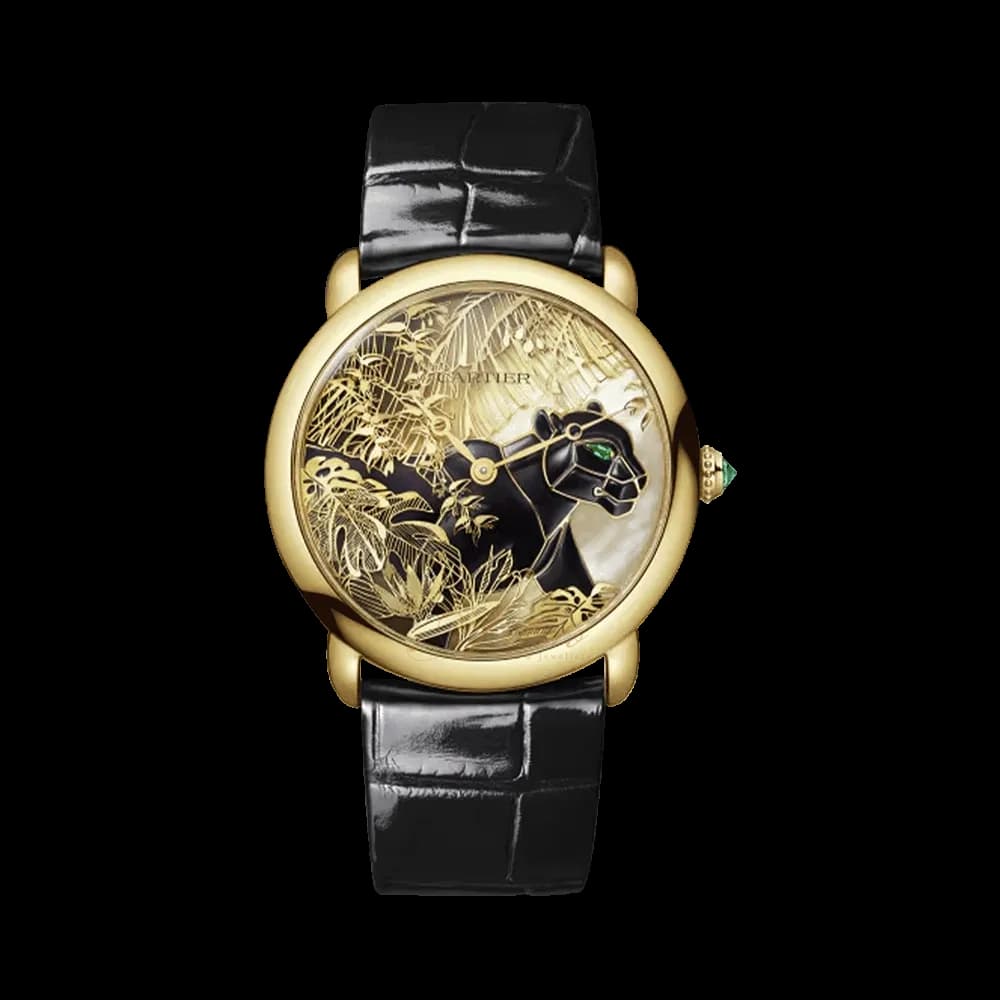
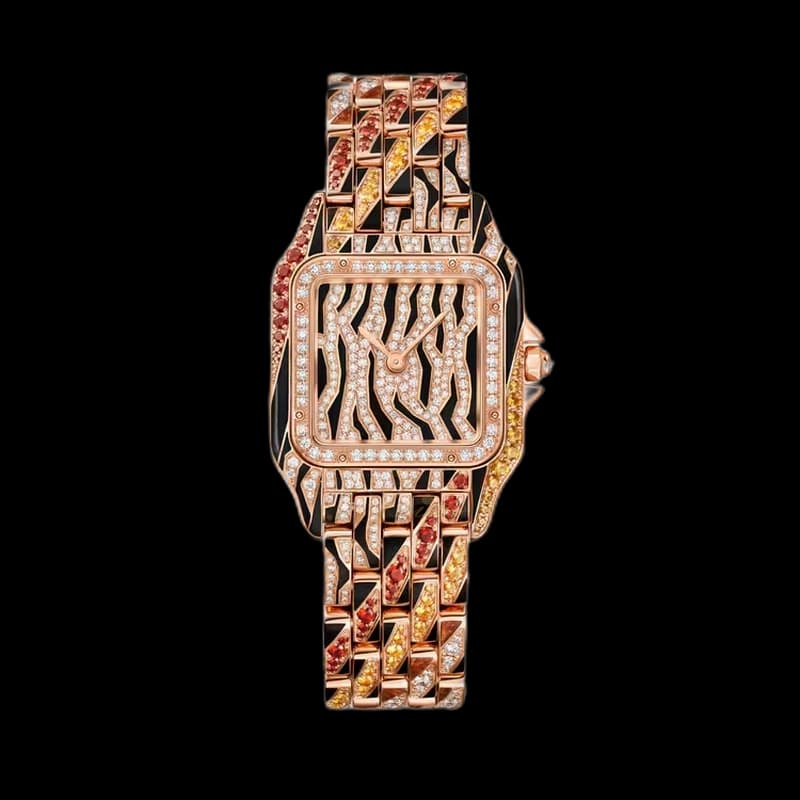
The panther has been one of Cartier's defining design symbols since the 20th century, representing strength, elegance, and confidence. The Maison carries this motif across both jewellery and watches, making it one of Cartier's most recognisable brand signatures in the Panthère collection.
Beyond matching the collection and style to your taste, it's worth checking the movement type (manual, automatic, or quartz), case material, and origin markings, as these all affect the watch's overall value and wearing experience. Feel free to reach out to the Aristo Watch team — we know the market well and can offer specific buying advice.
Aristo Watch offers the Aristo Care protection plan, which includes a complimentary annual watch check-up for Cartier timepieces, along with discounted pricing (up to 50% off) on Anti Pro screen protection film. KoverNow comprehensive insurance is also available as an optional add-on for extra peace of mind.
The Santos favours a square case with exposed screws, giving it a more structured, sportier feel, while the Pasha is defined by its round case and chained, screw-down crown cap for a bolder, more substantial presence. Both are current core collections at the Maison — the right choice comes down to personal style.