Shopping Bag (0)

Your bag is empty.
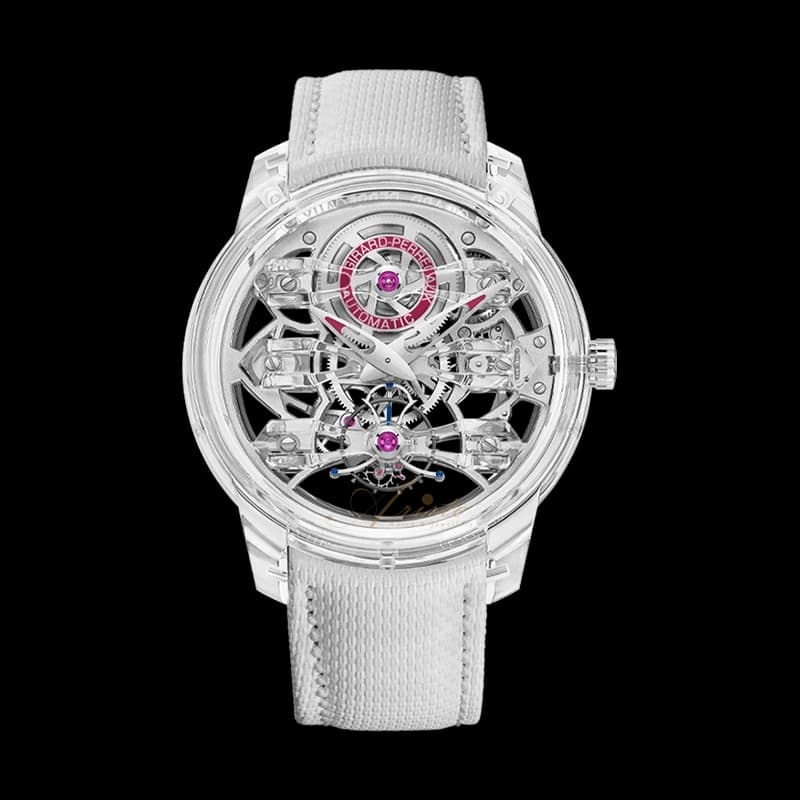
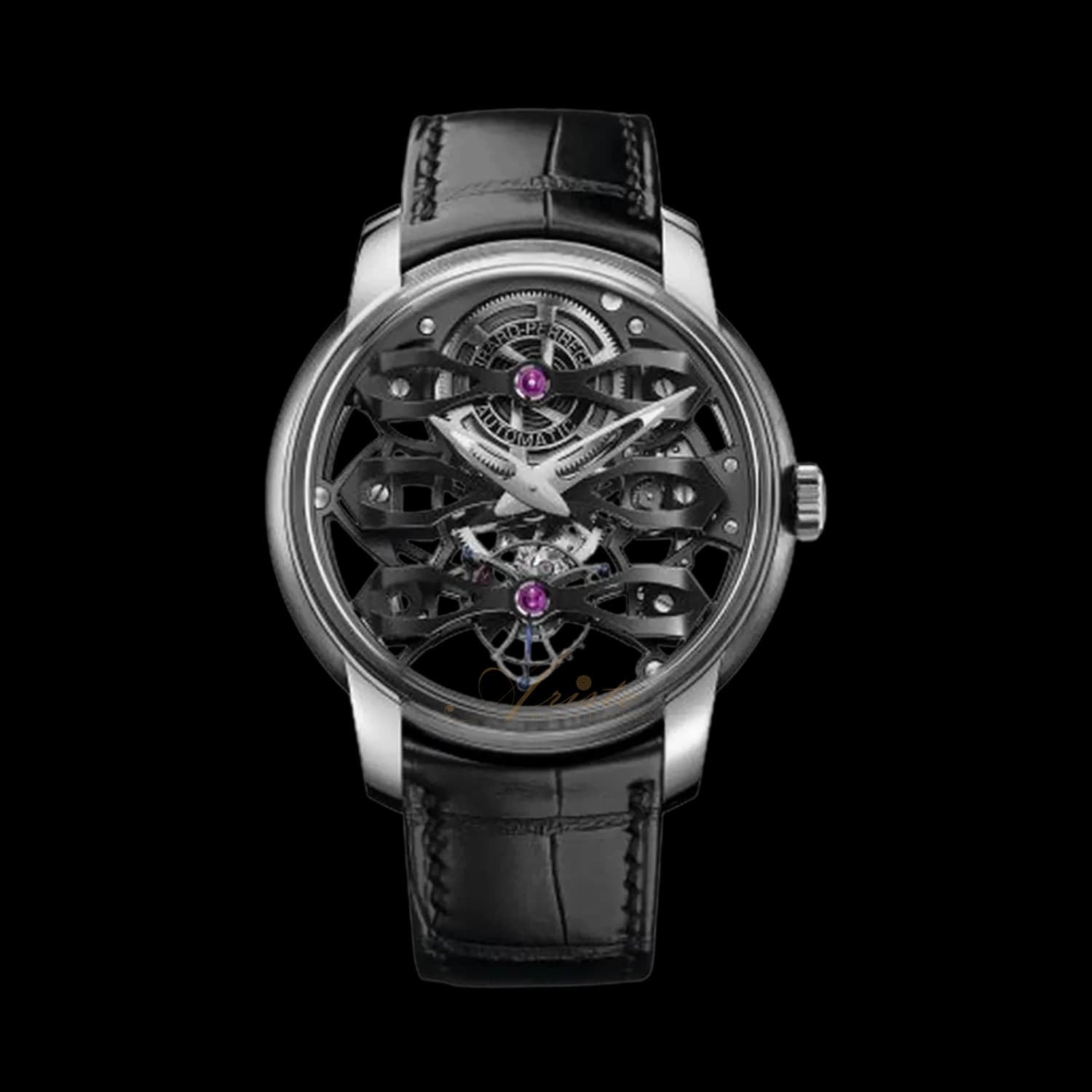
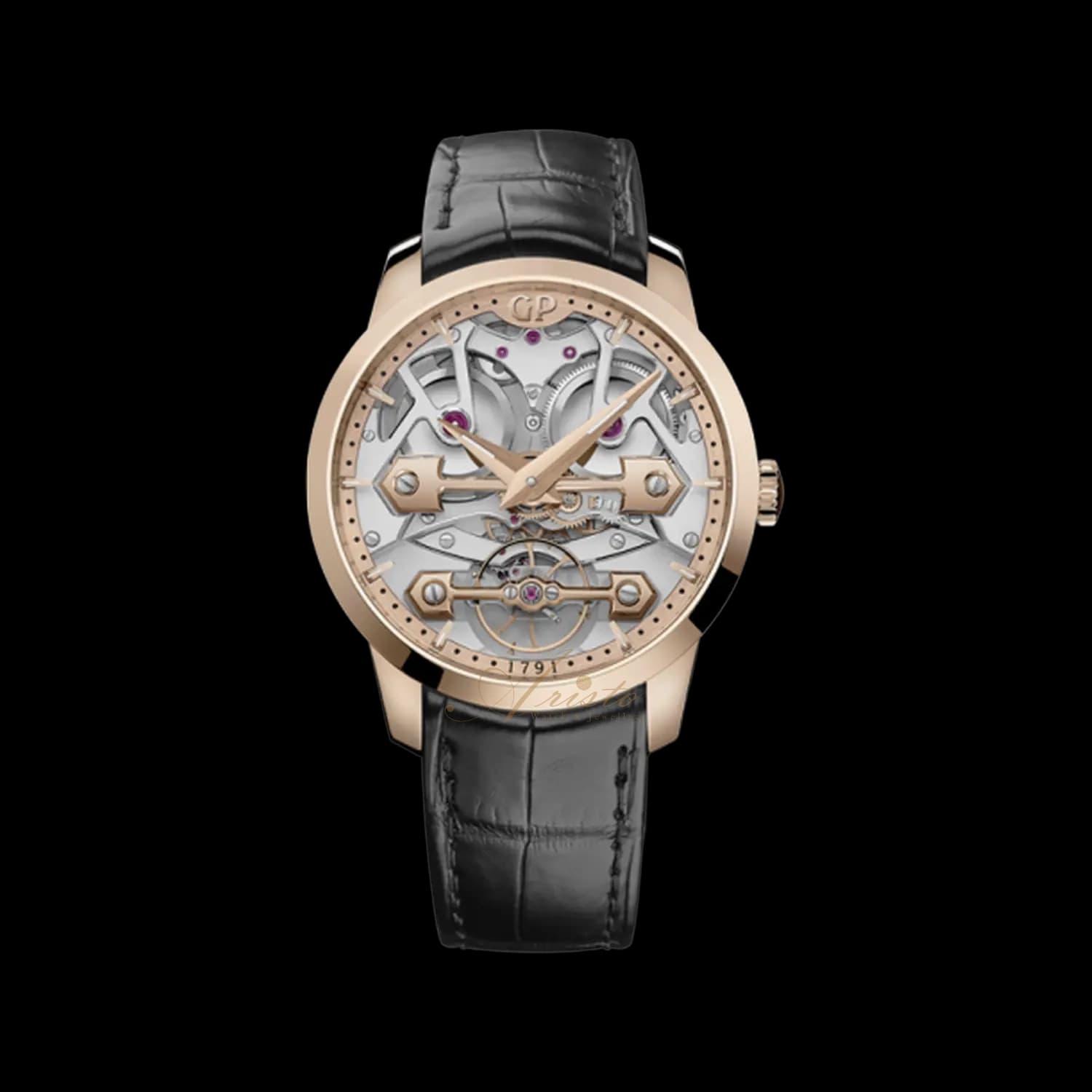
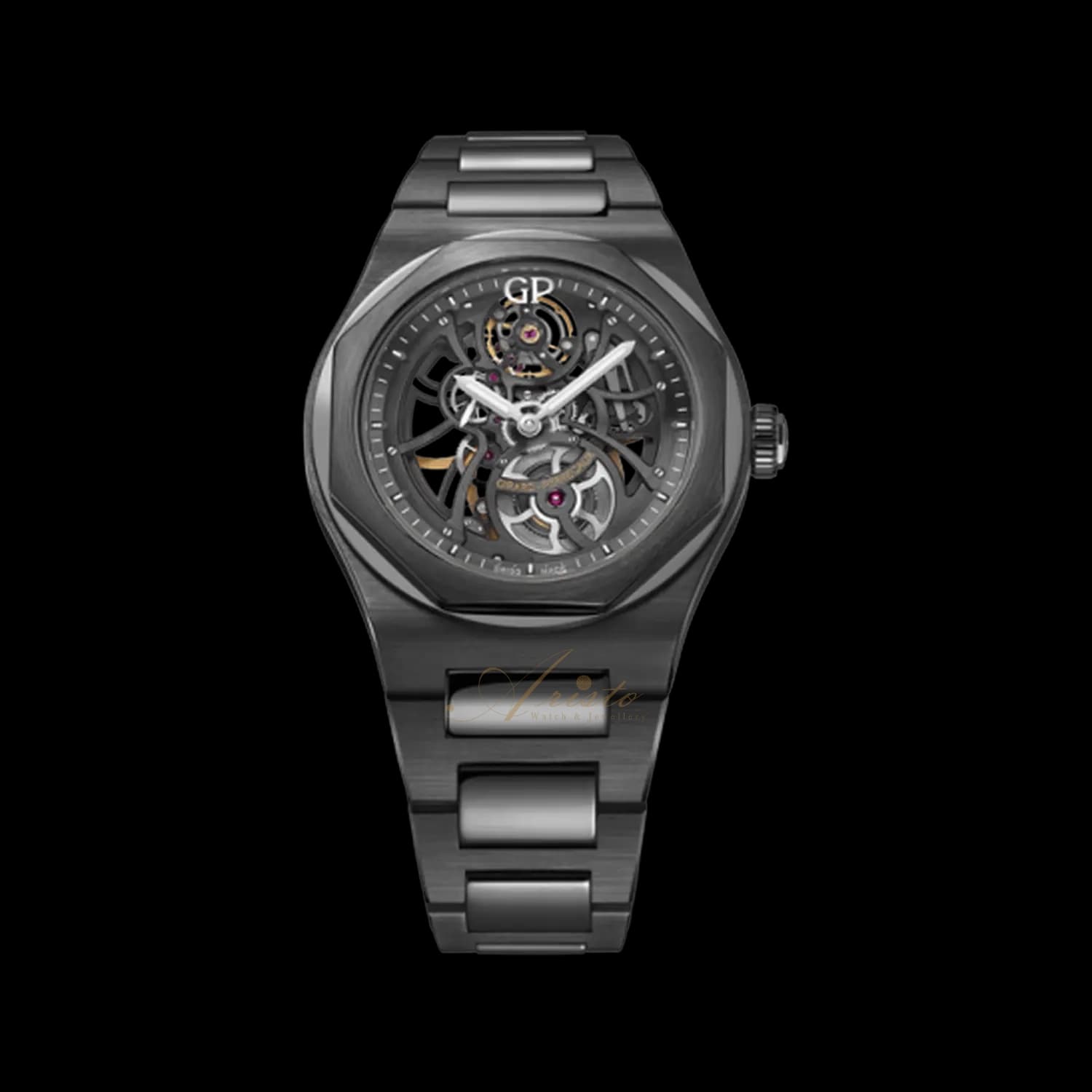
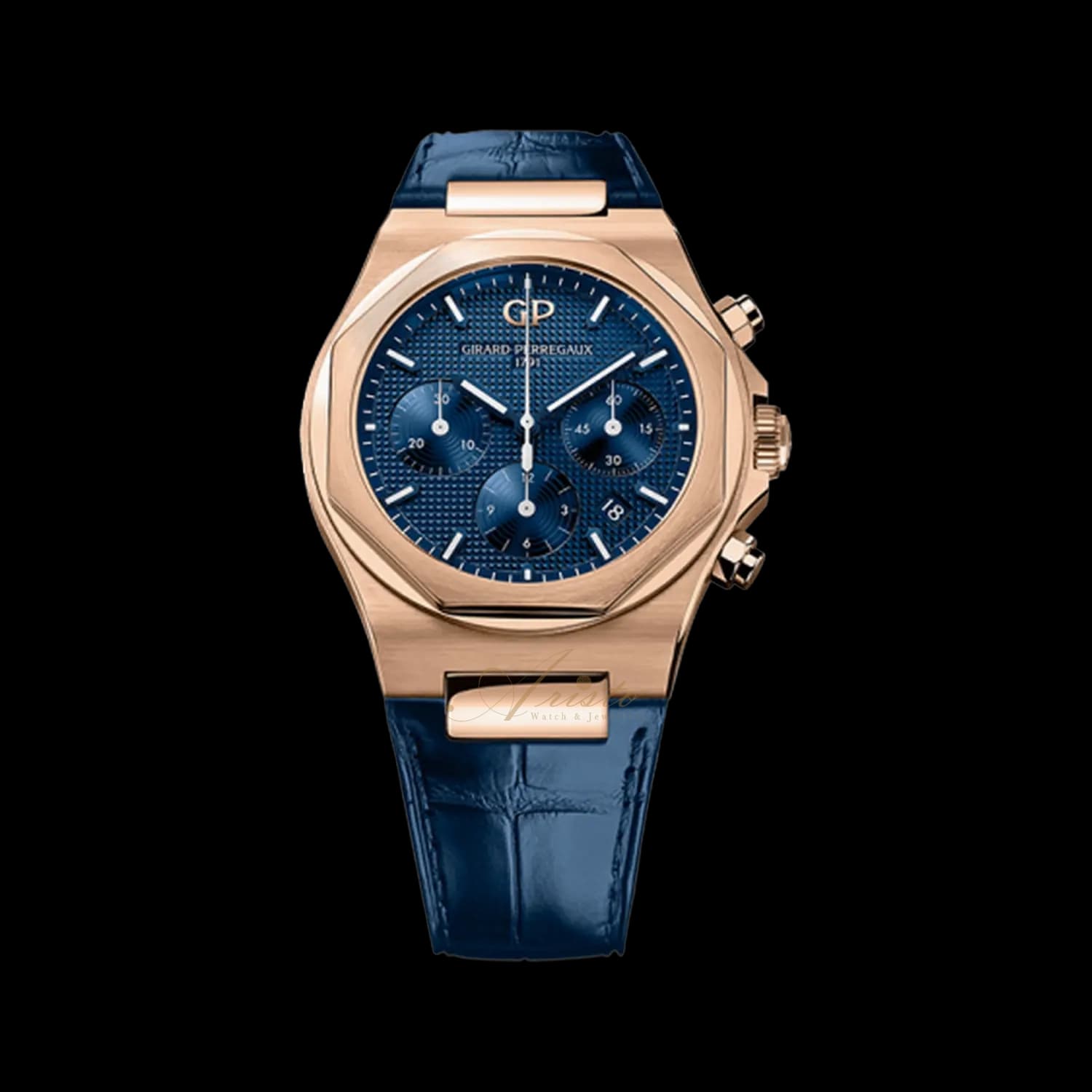
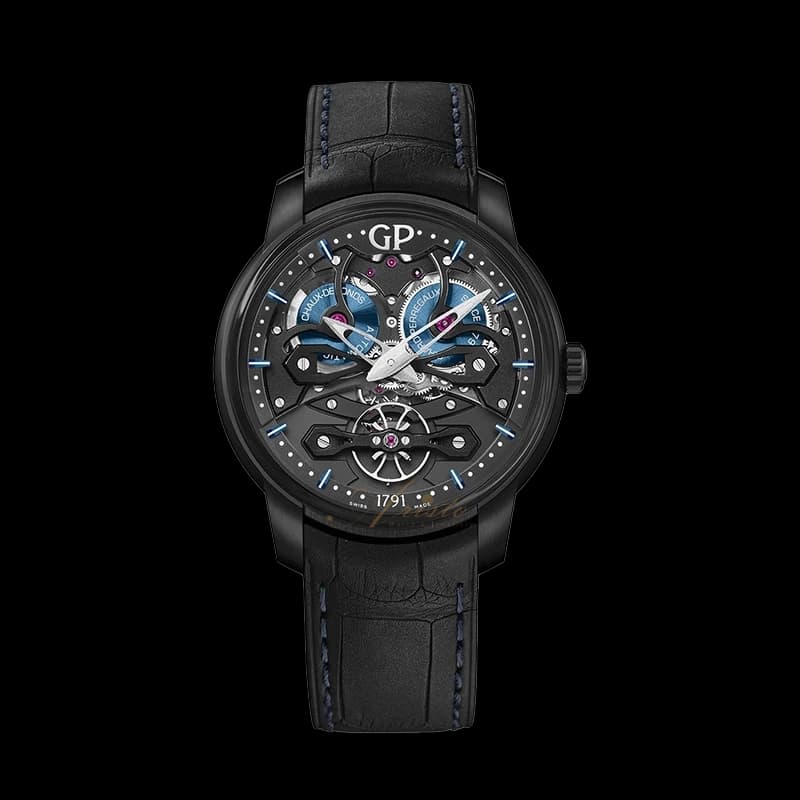
Explore the world of Girard-Perregaux — with origins dating back to 1791, the Maison is renowned for its world-famous Three Bridges Tourbillon, one of the rare designs to turn a movement's bridges into the centrepiece of its visual identity. From the sport-luxury Laureato to the century-old craftsmanship of the Three Bridges Tourbillon, Aristo Watch offers a curated selection of Girard-Perregaux timepieces with transparent market pricing, along with professional authentication, Aristo Care protection, and trade-in services, so you can buy or sell with confidence.
Sort by
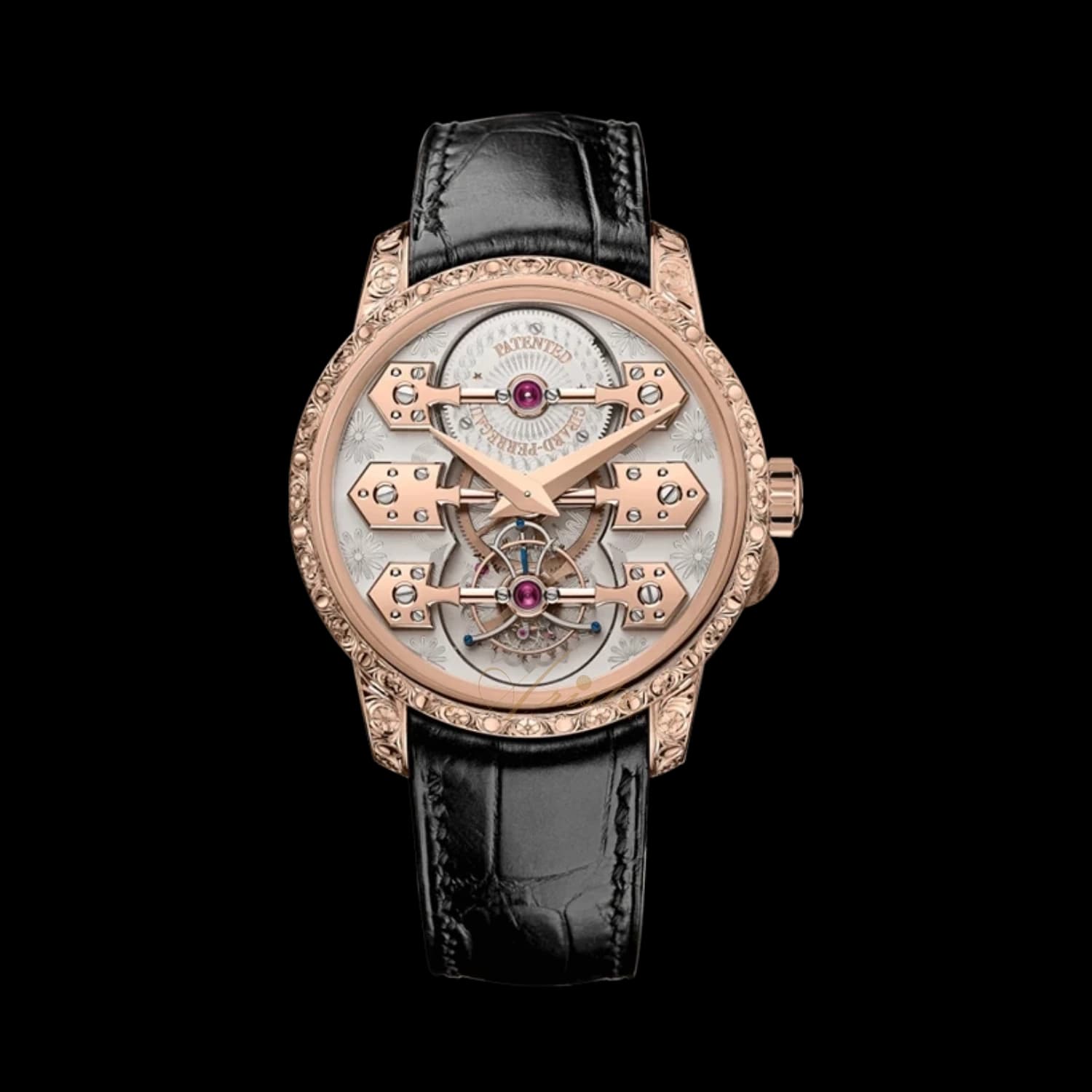
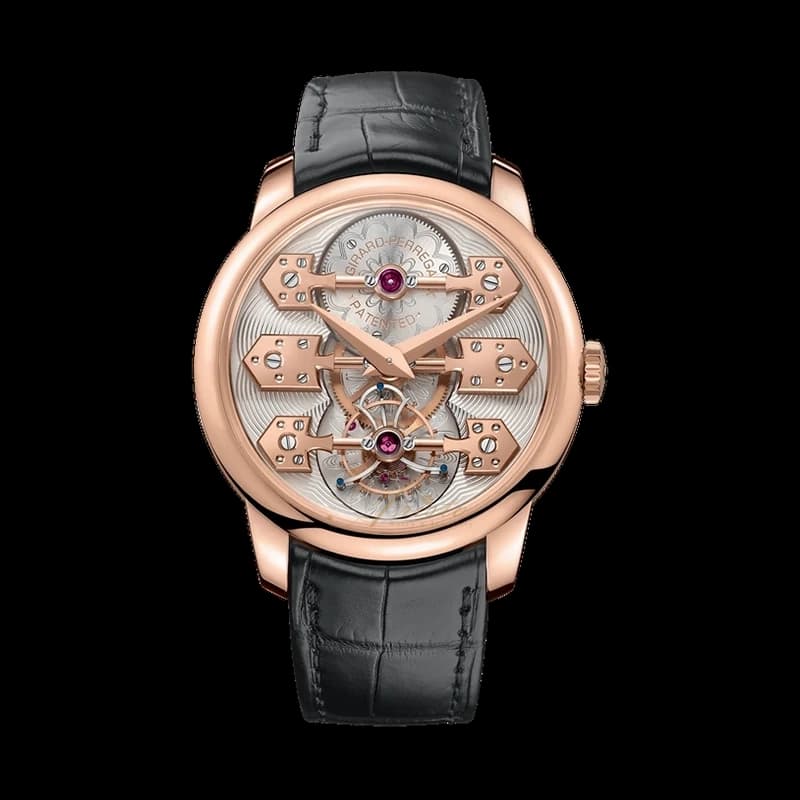
The Maison's origins trace back to 1791, when watchmaker Jean-François Bautte opened a workshop in Geneva. In 1856, Constant Girard married Marie Perregaux and combined their surnames to formally establish the name Girard-Perregaux. Constant Girard had a particular fascination with the tourbillon, and in the latter half of the 19th century created the world-famous Three Bridges Tourbillon pocket watch, "La Esmeralda" — three parallel gold bridges that transformed a structure once hidden behind the movement into the visual centrepiece of the watch face, fundamentally redefining the aesthetics of movement design. This creation won a gold medal at the 1889 Paris World's Fair, cementing the Maison's place as a defining name in fine watchmaking history.
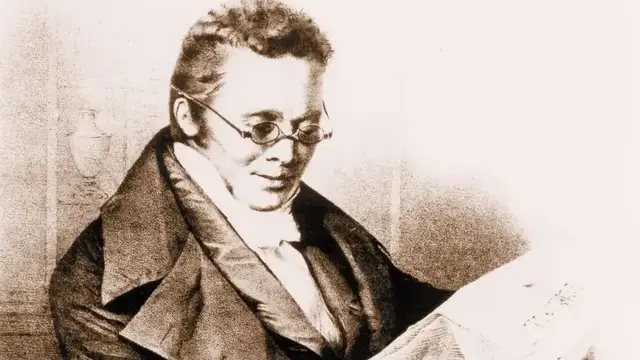

The Maison's origins trace back to 1791, when watchmaker Jean-François Bautte opened a workshop in Geneva. In 1856, Constant Girard married Marie Perregaux and combined their surnames to formally establish the name Girard-Perregaux. Constant Girard had a particular fascination with the tourbillon, and in the latter half of the 19th century created the world-famous Three Bridges Tourbillon pocket watch, "La Esmeralda" — three parallel gold bridges that transformed a structure once hidden behind the movement into the visual centrepiece of the watch face, fundamentally redefining the aesthetics of movement design. This creation won a gold medal at the 1889 Paris World's Fair, cementing the Maison's place as a defining name in fine watchmaking history.




1791
Jean-François Bautte opens a watchmaking workshop in Geneva, marking the starting point of the Maison's history.

1856
Constant Girard marries Marie Perregaux and combines their surnames, formally establishing the name Girard-Perregaux.
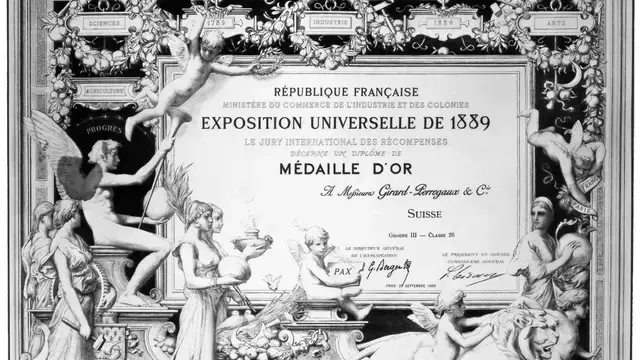
1889
The Three Bridges Tourbillon pocket watch "La Esmeralda" wins a gold medal at the Paris World's Fair, cementing the Maison's iconic design status.
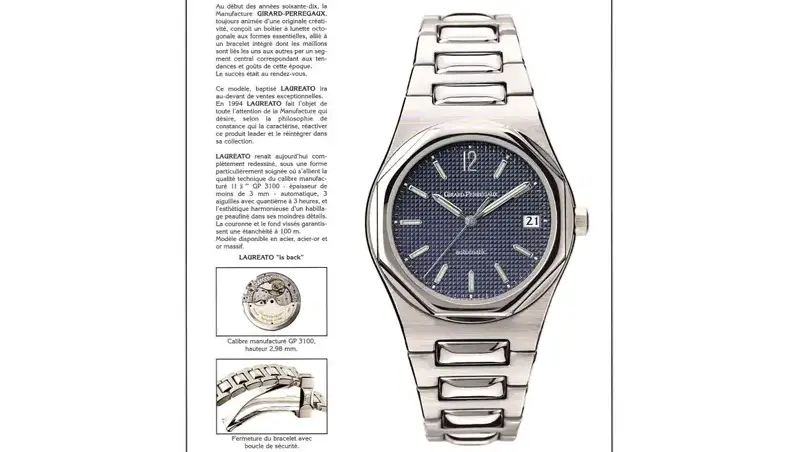
1975
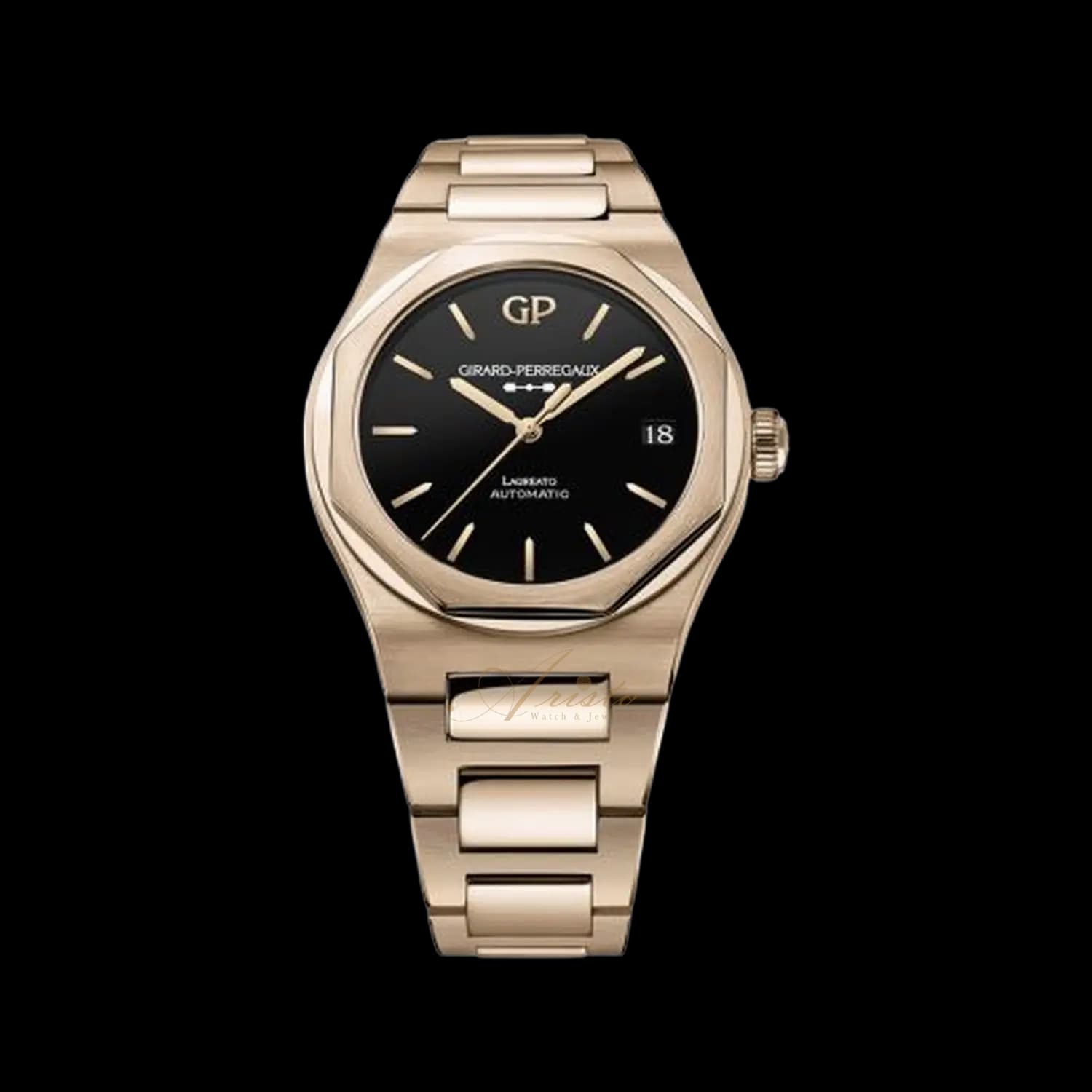
The Laureato launches, defined by its integrated bracelet and octagonal bezel.

1991
Marking the Maison's 200th anniversary, the brand launches a wristwatch version of the Three Bridges Tourbillon, successfully miniaturising the classic pocket watch design.
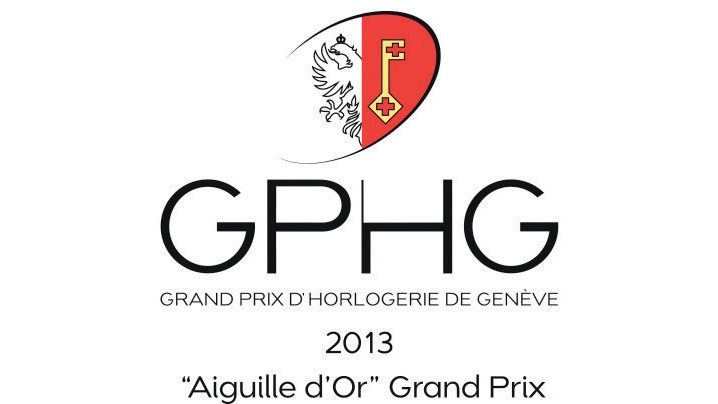
2013
The Maison introduces the Constant Escapement, earning the "Aiguille d'Or," the top honour at the Grand Prix d'Horlogerie de Genève.

2017
The Laureato is officially developed into a full collection, becoming the Maison's most popular core line today.
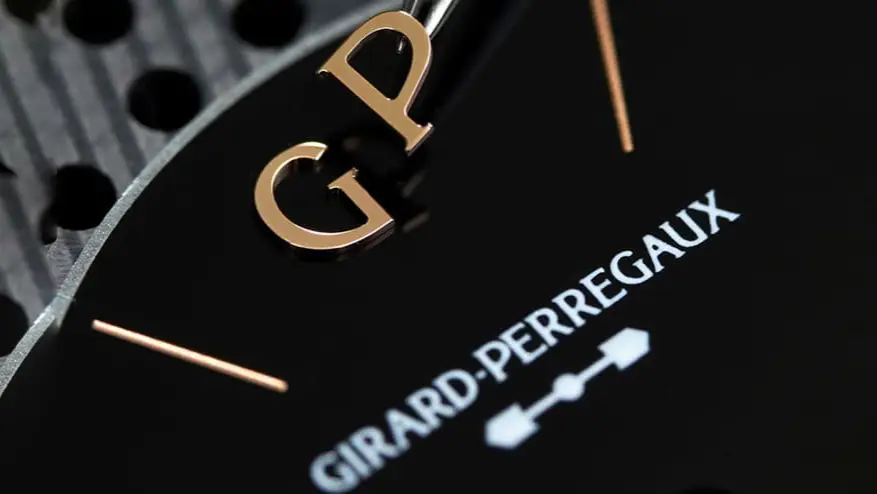
2022
The Maison becomes independent again through a management buyout that took it out of the Kering Group.

1791
Jean-François Bautte opens a watchmaking workshop in Geneva, marking the starting point of the Maison's history.
In 2022, the brand became independent again through a management buyout that took it out of the French Kering Group. This shift has allowed the Maison to develop its product lines and brand positioning with greater autonomy, now forming an independent high watchmaking collective alongside sister brand Ulysse Nardin.
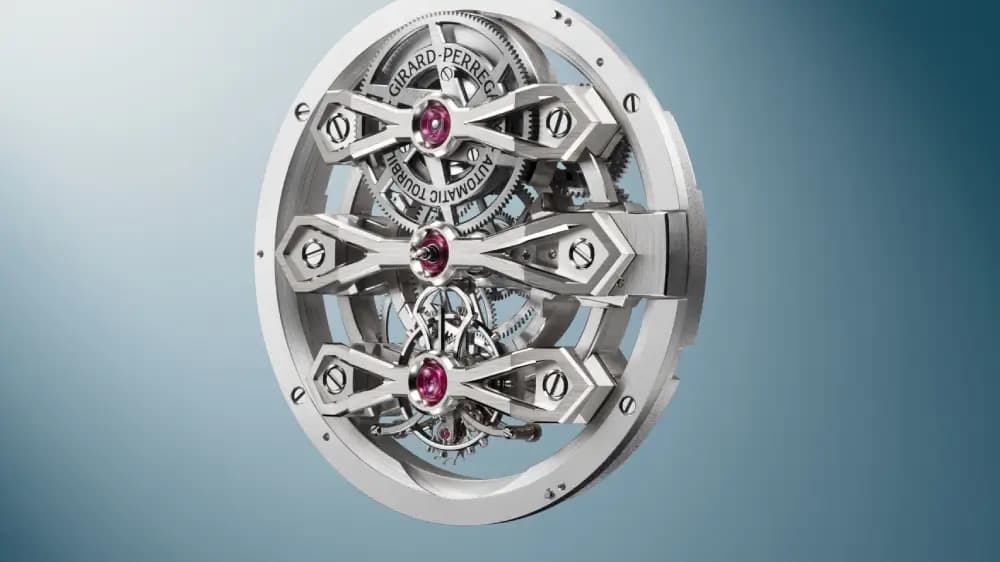
Traditional movement bridges are typically hidden on the back of the movement, serving a purely structural purpose. In the 19th century, founder Constant Girard designed three parallel gold bridges to sit on the visible face of the watch, transforming a purely functional structure into an aesthetic centrepiece — a landmark moment in watchmaking history that merged "structure" and "design" for the first time, and the Maison's longest-standing iconic design.
Beyond matching the collection and style to your taste, it's worth checking the movement type (in-house or third-party), whether it features complications like a tourbillon, and the case material, as these all affect the watch's overall value and wearing experience. Feel free to reach out to the Aristo Watch team — we know the market well and can offer specific buying advice.
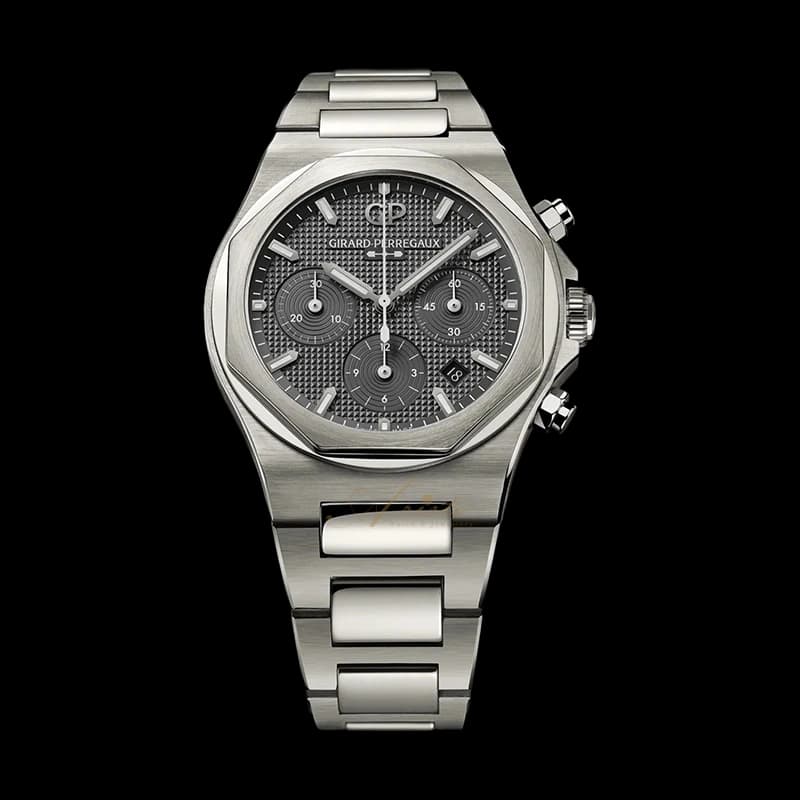
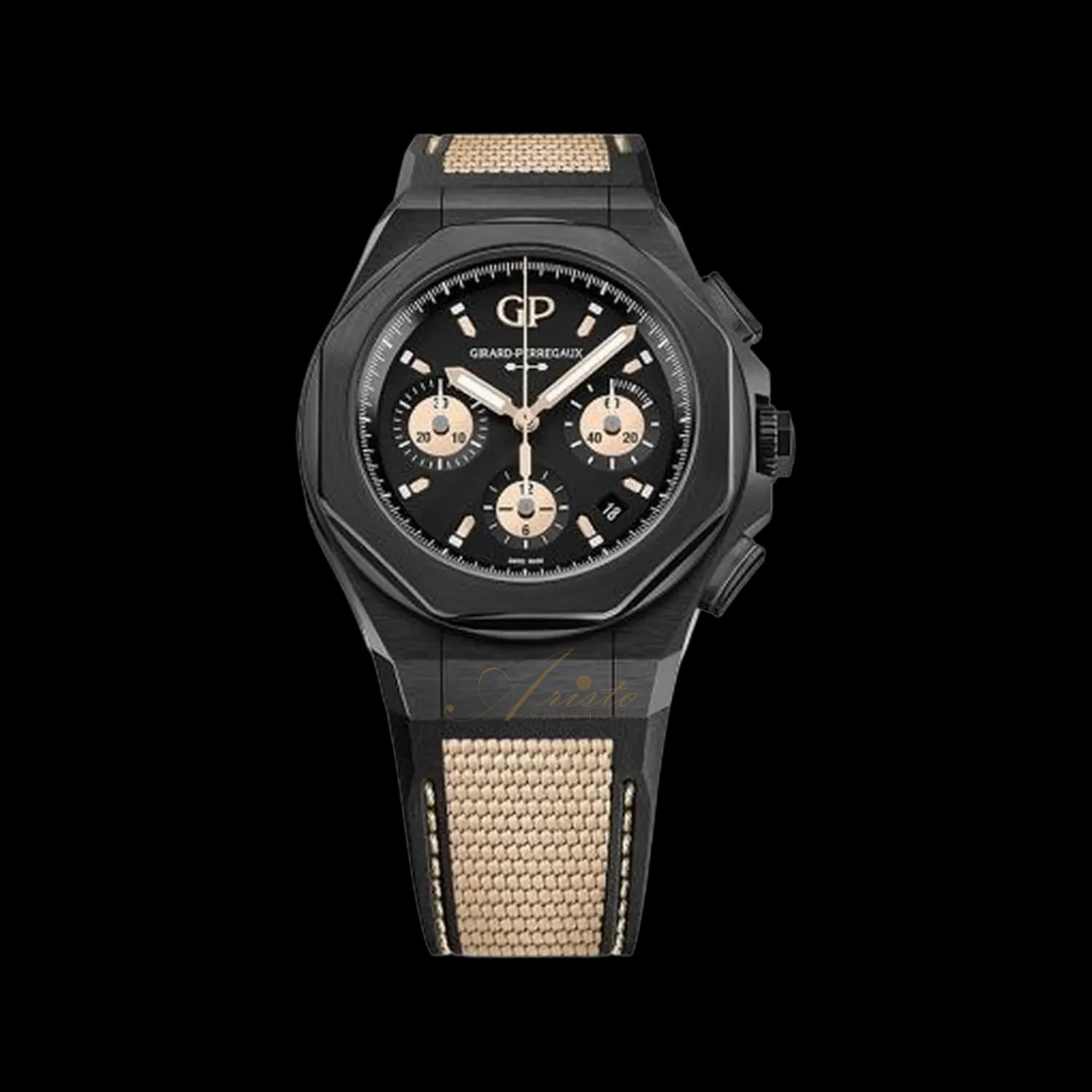
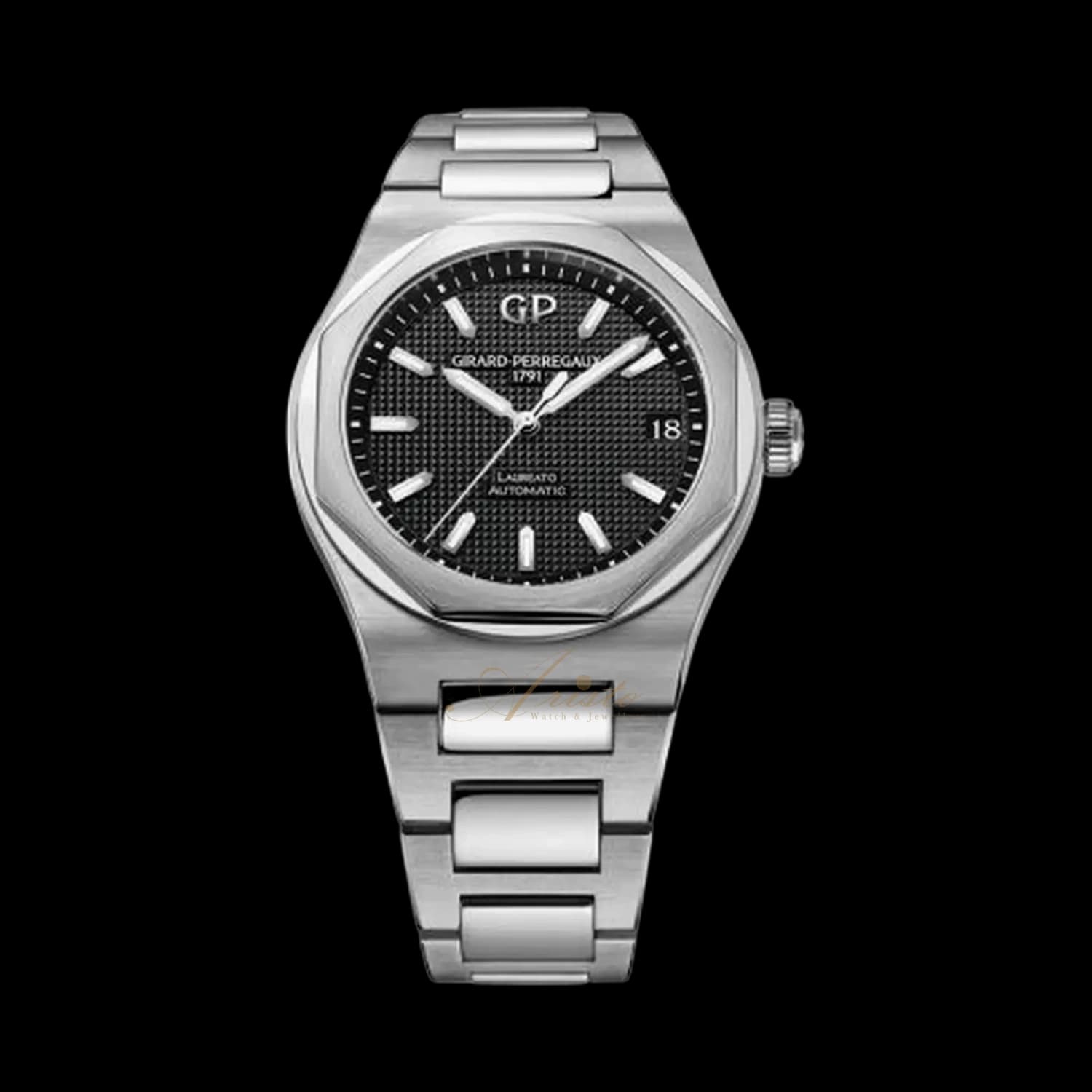
The Laureato leans into sport-luxury, defined by its integrated bracelet and octagonal bezel for a sleek, contemporary look suited to everyday wear. The Three Bridges Tourbillon is the Maison's most historically significant high complication collection, with an elaborate design and exceptional technical difficulty, suited to buyers drawn to traditional fine watchmaking. Both are core collections in current production — the right choice comes down to personal style.
Value retention varies by collection, rarity, and demand. The Laureato has seen growing liquidity in recent years as sport-luxury watches gain popularity in the market, while high complication versions like the Three Bridges Tourbillon also see steady collector interest given their limited production. Feel free to reach out to the Aristo Watch team for insight on specific models.
The Constant Escapement uses the bi-stable properties of a silicon blade to deliver consistent, steady power output to the escapement regardless of how much force the mainspring provides, improving timekeeping accuracy. This technology won the "Aiguille d'Or," the top honour at the Grand Prix d'Horlogerie de Genève, in 2013, and remains one of the brand's most significant technical achievements in recent years.
Aristo Watch offers the Aristo Care protection plan, which includes a complimentary annual watch check-up for Girard-Perregaux timepieces, along with discounted pricing (up to 50% off) on Anti Pro screen protection film. KoverNow comprehensive insurance is also available as an optional add-on for extra peace of mind.