Shopping Bag (0)

Your bag is empty.
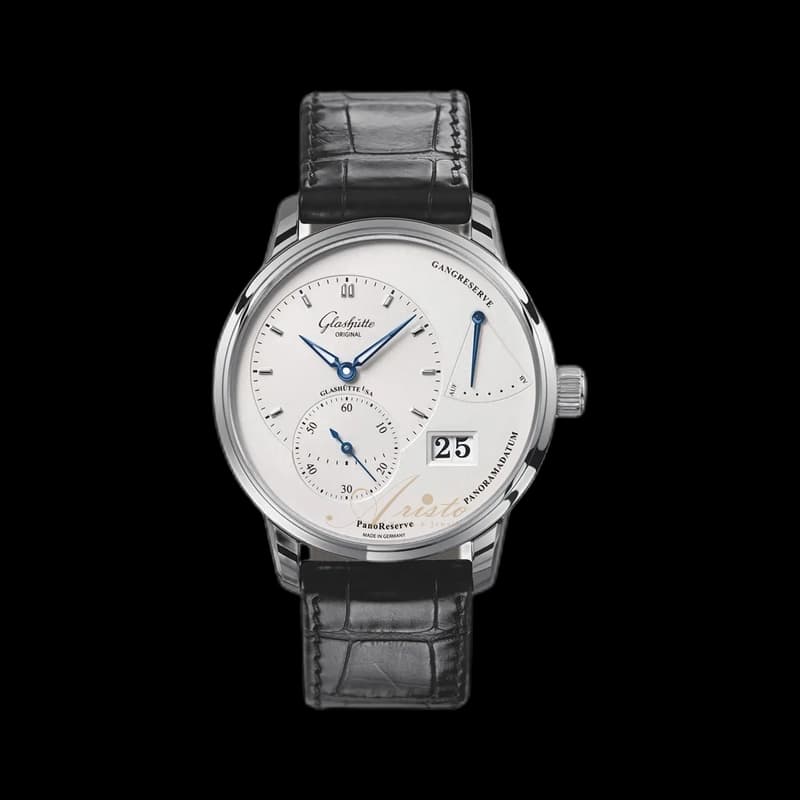
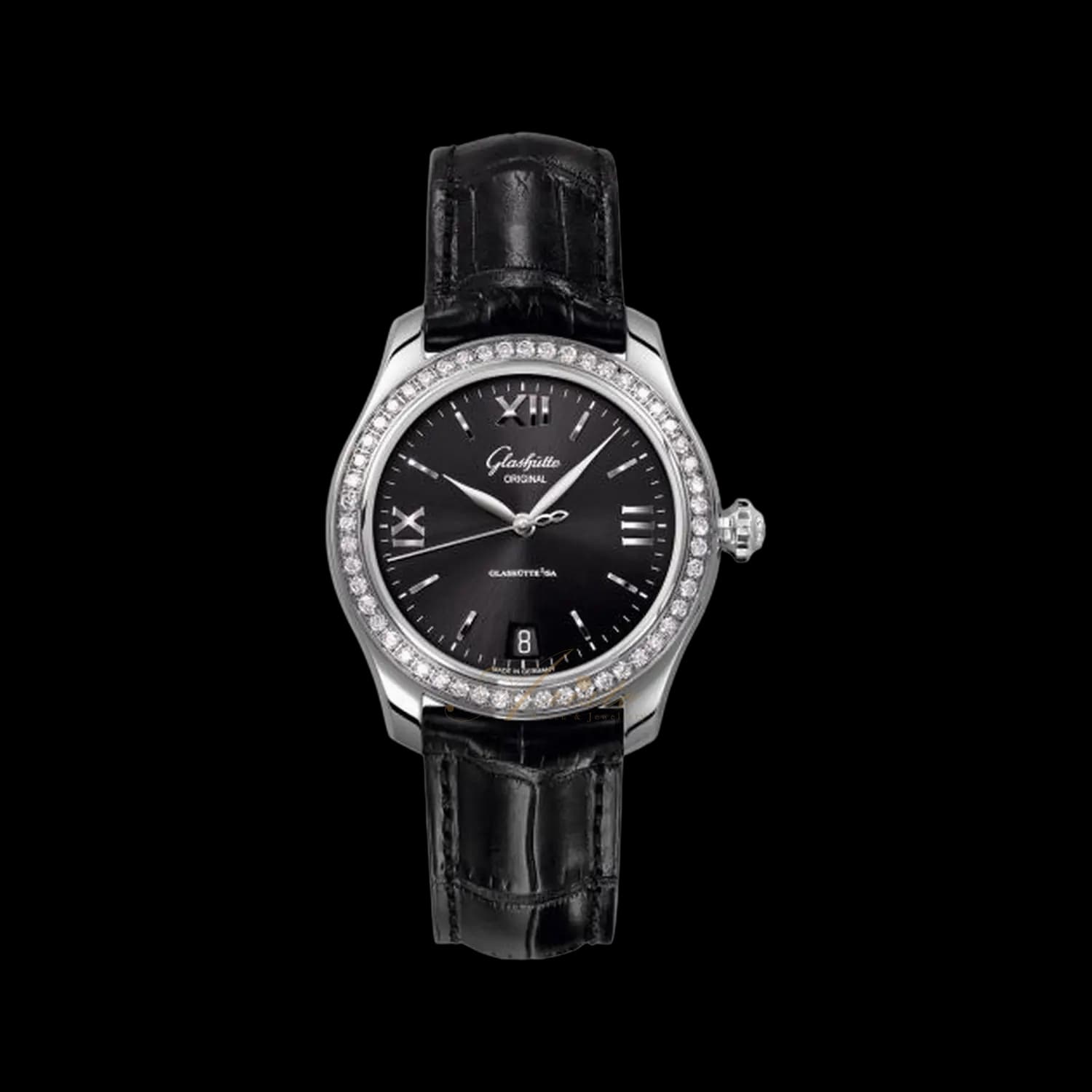
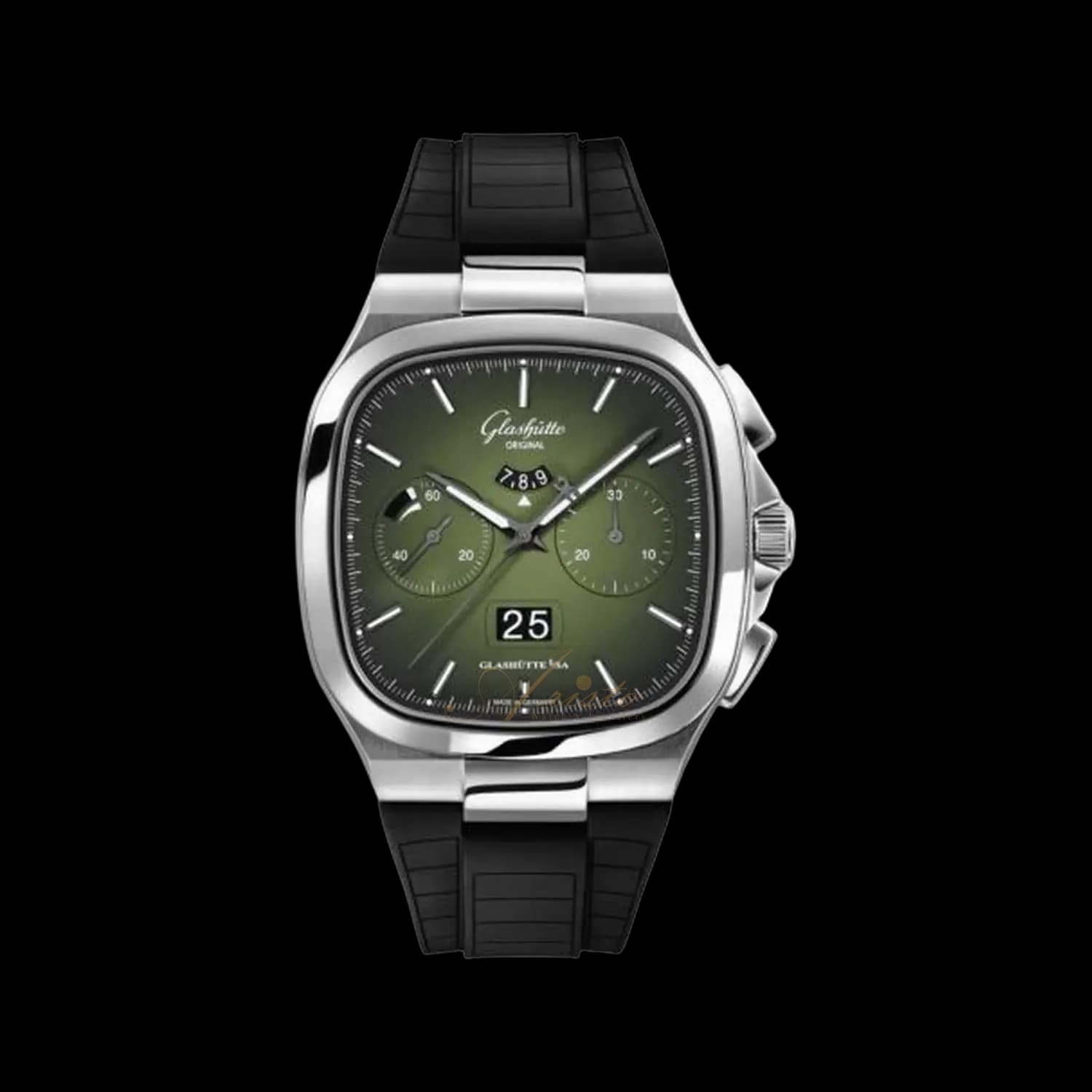
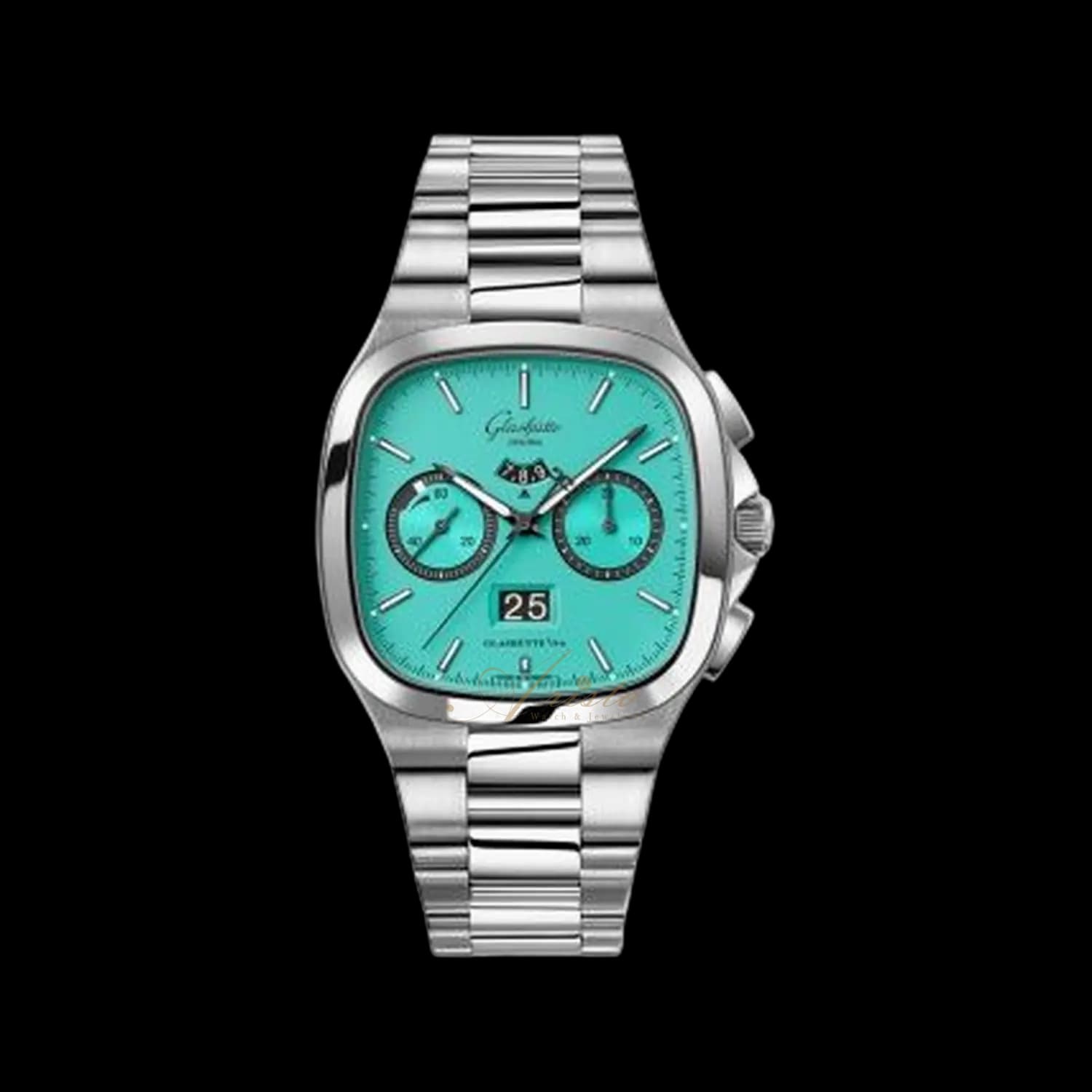
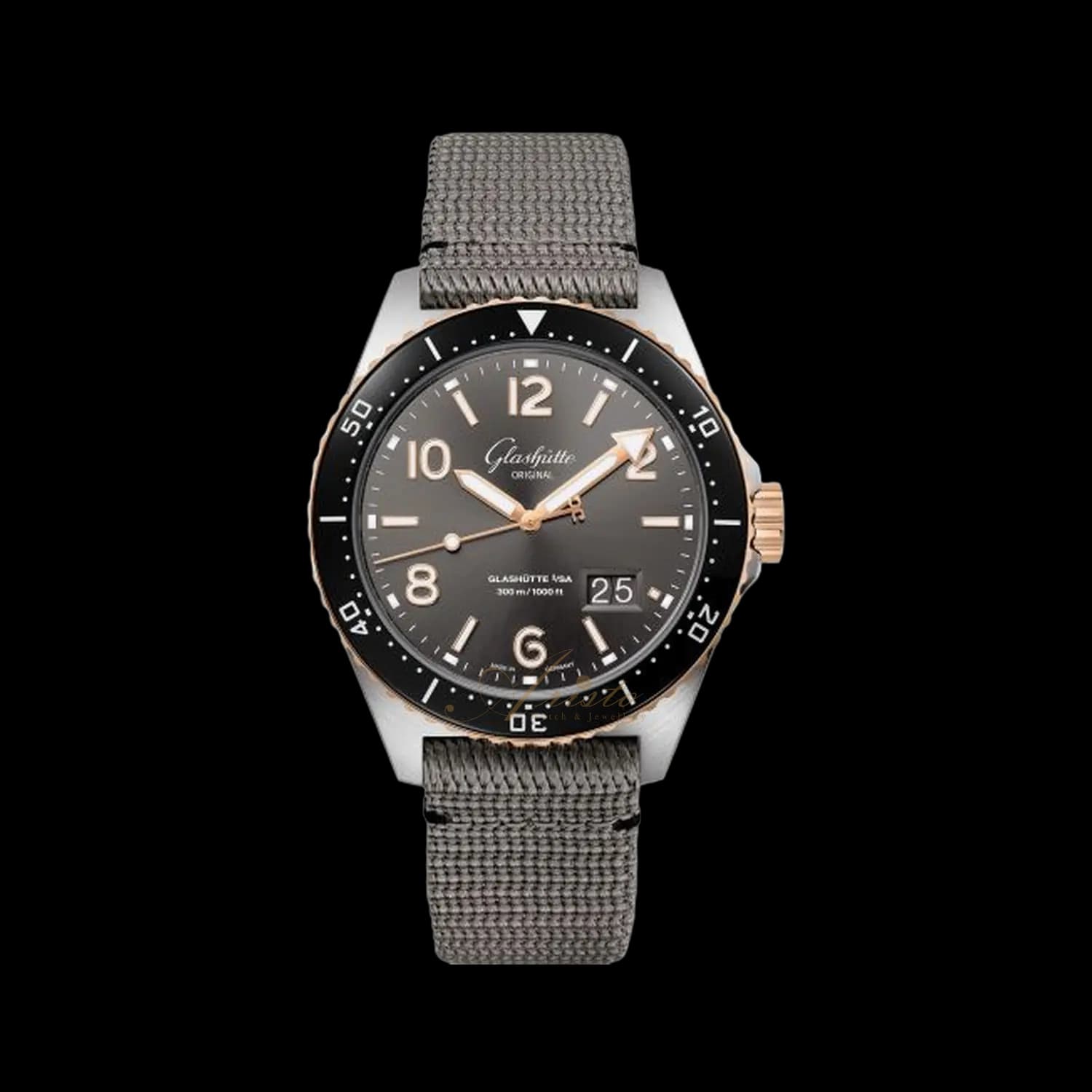
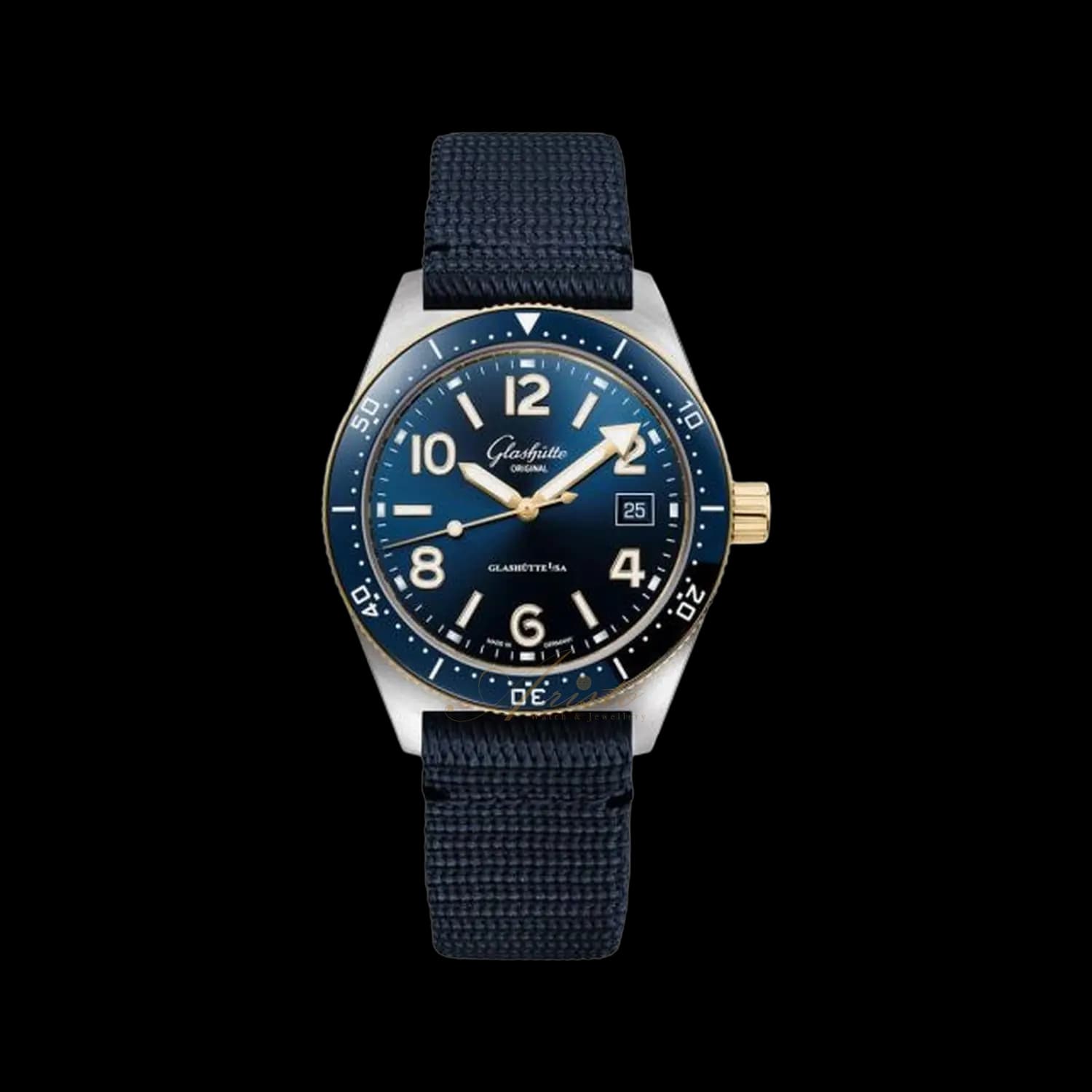
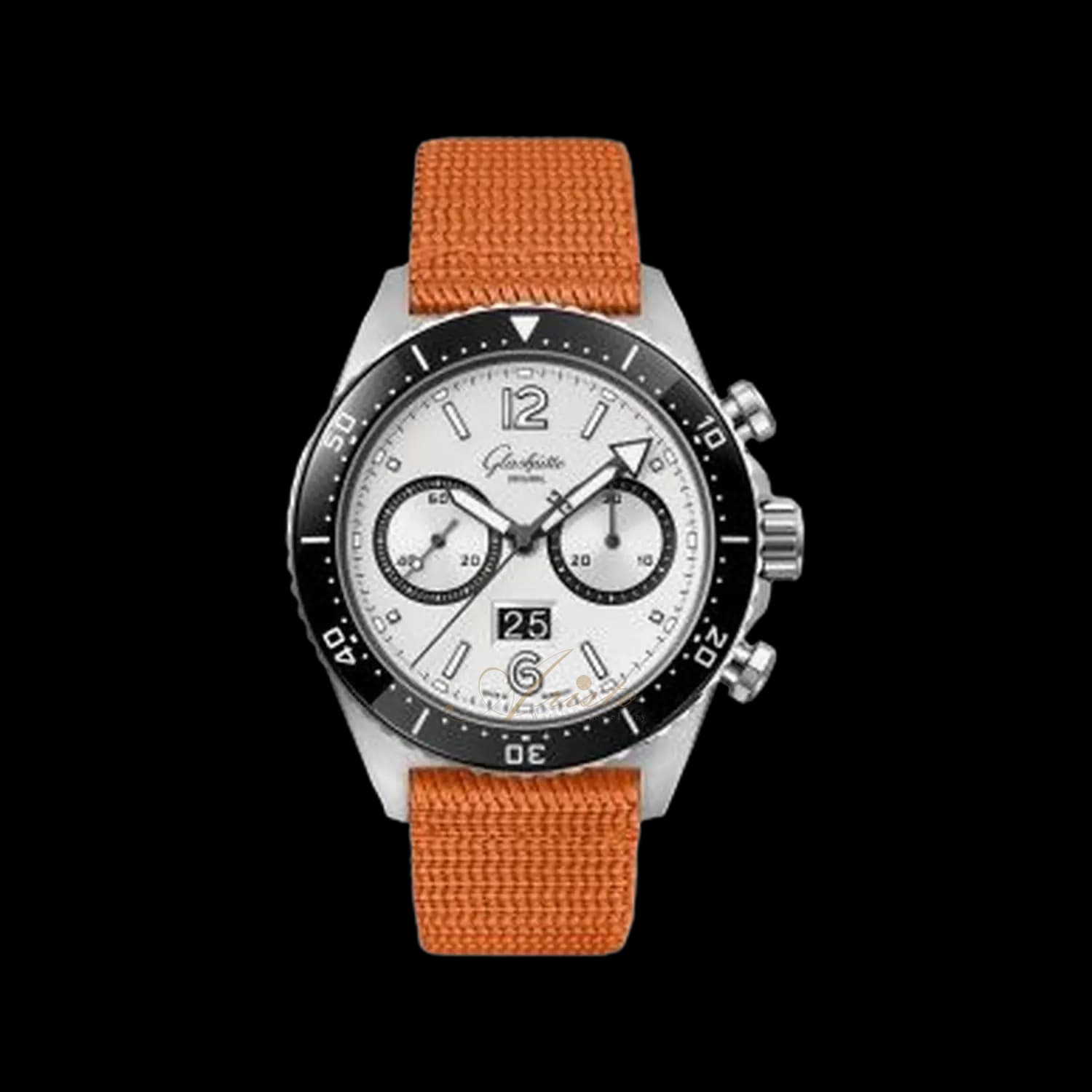
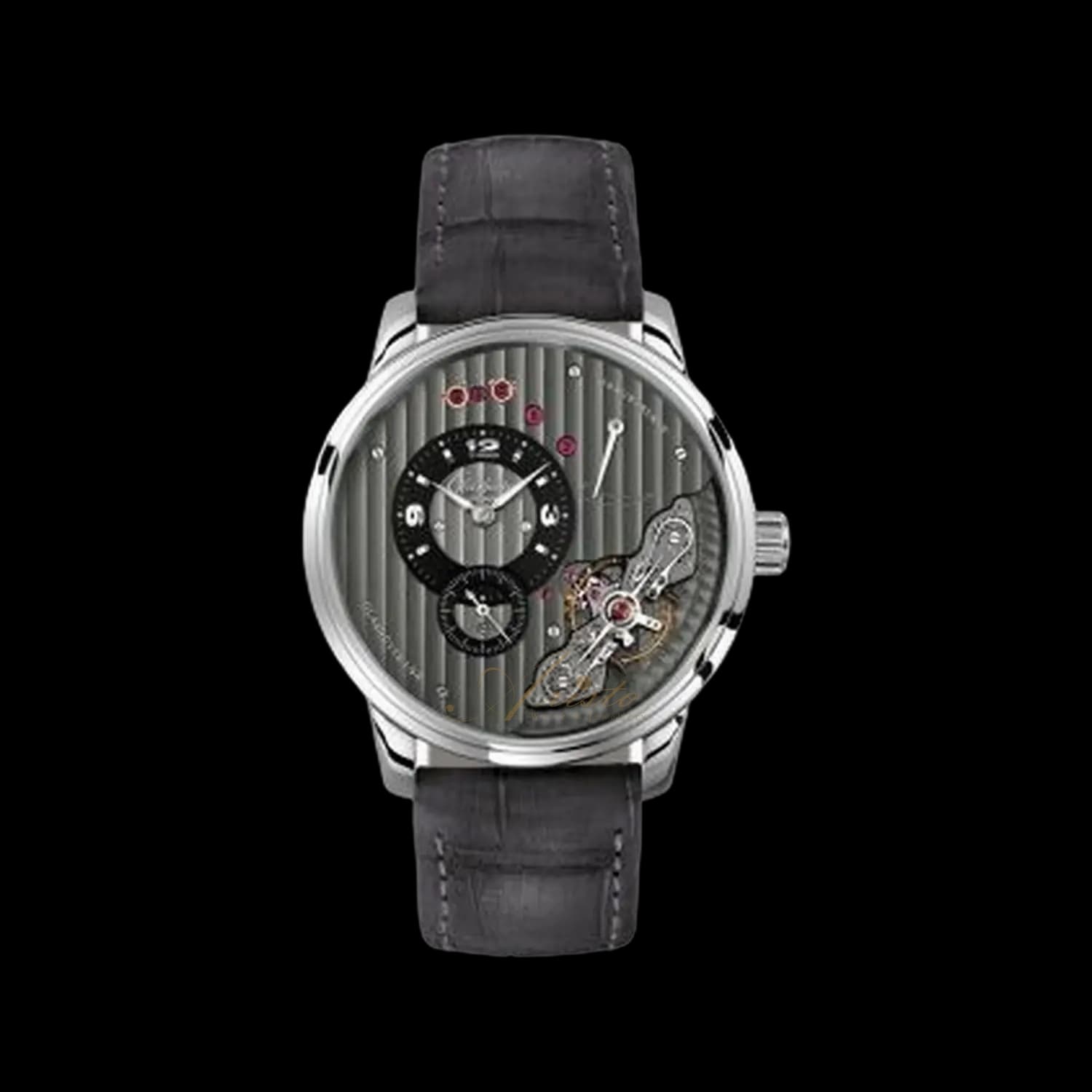
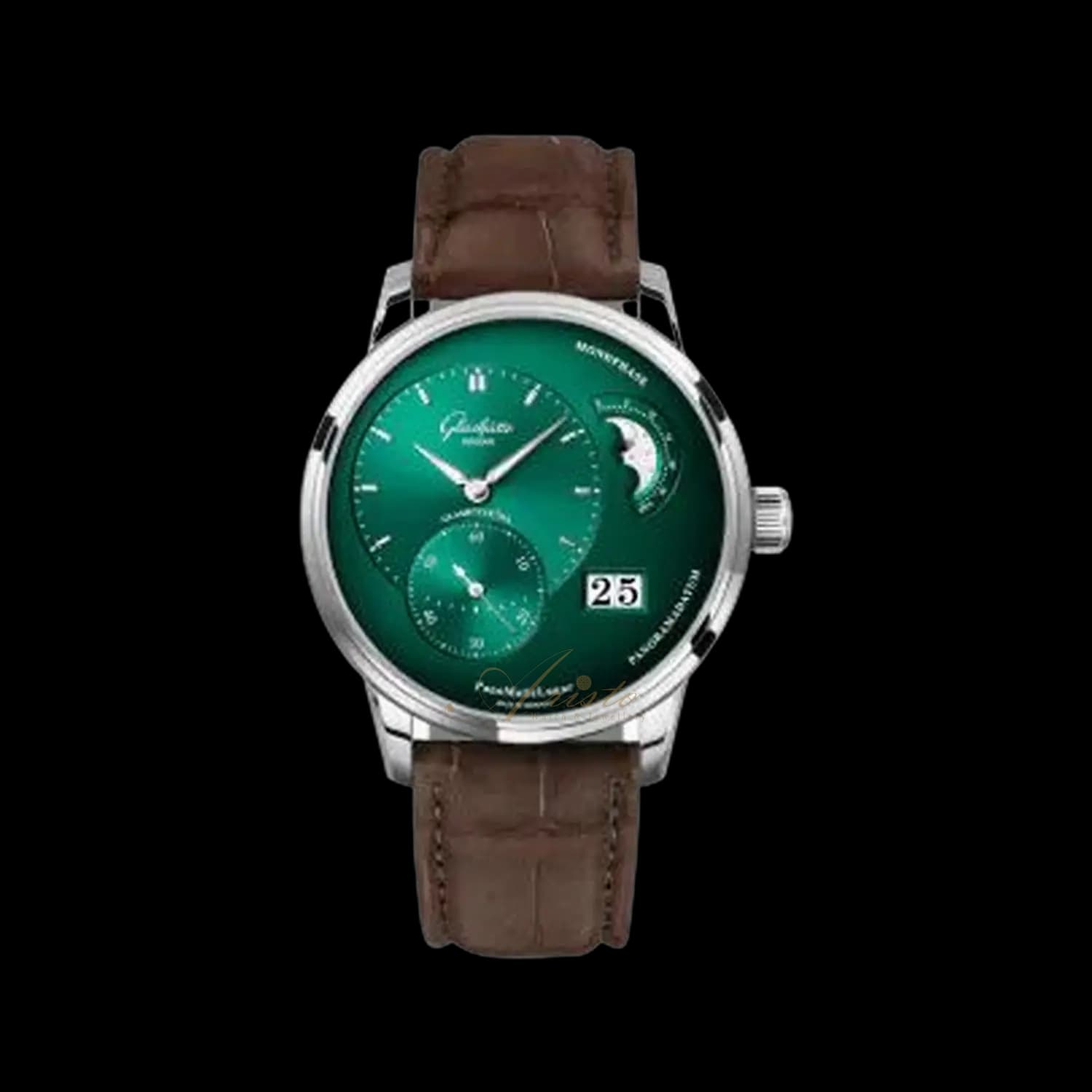
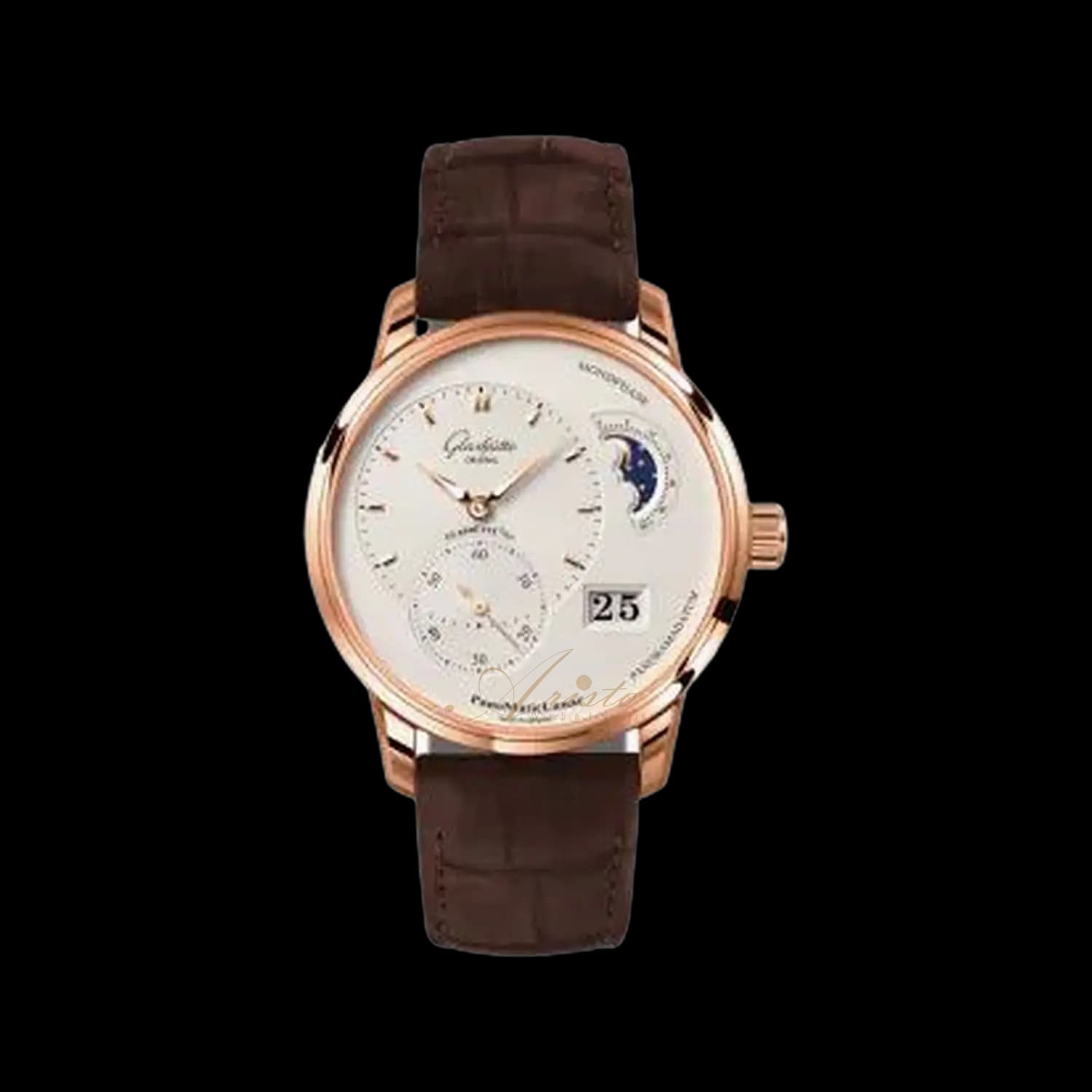
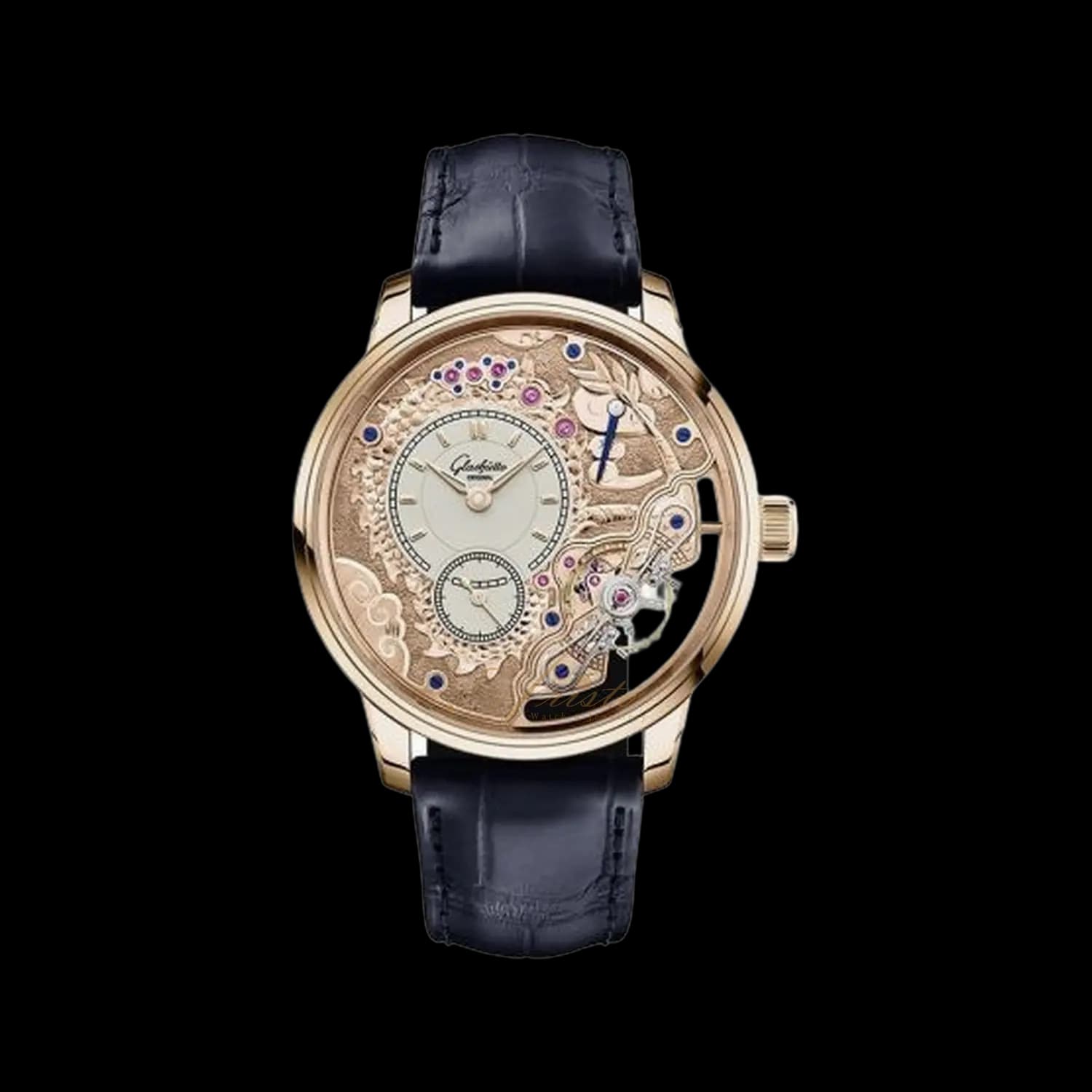
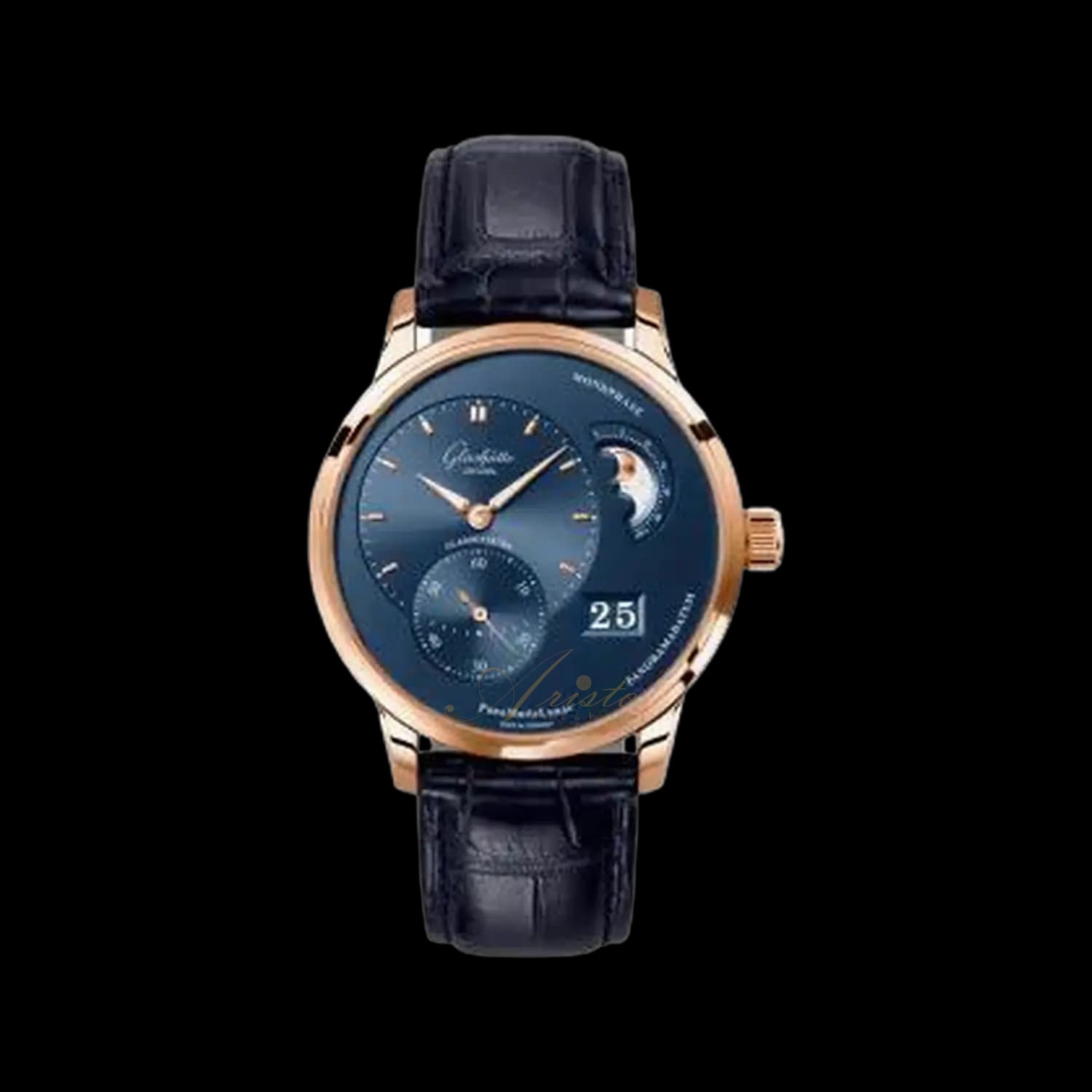
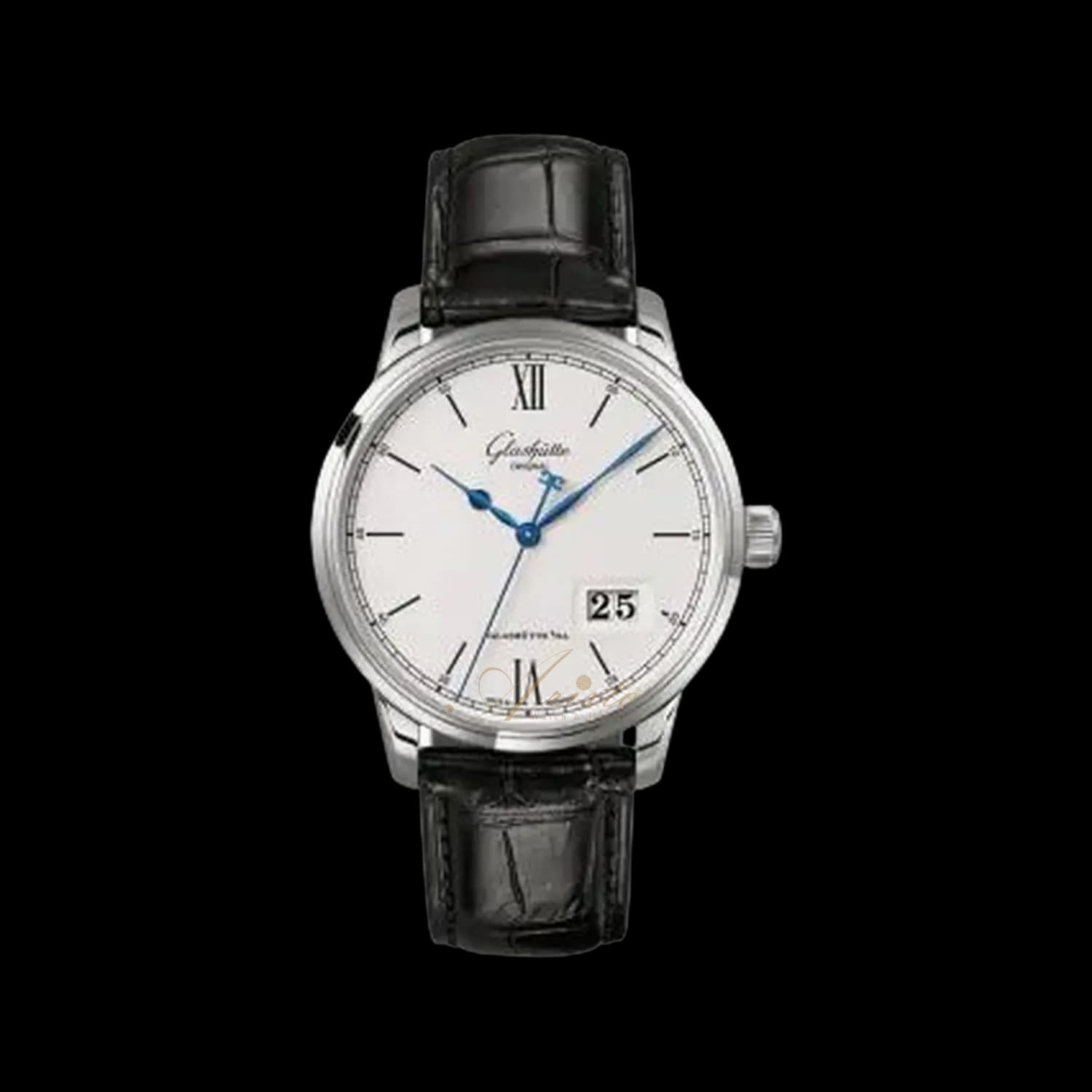
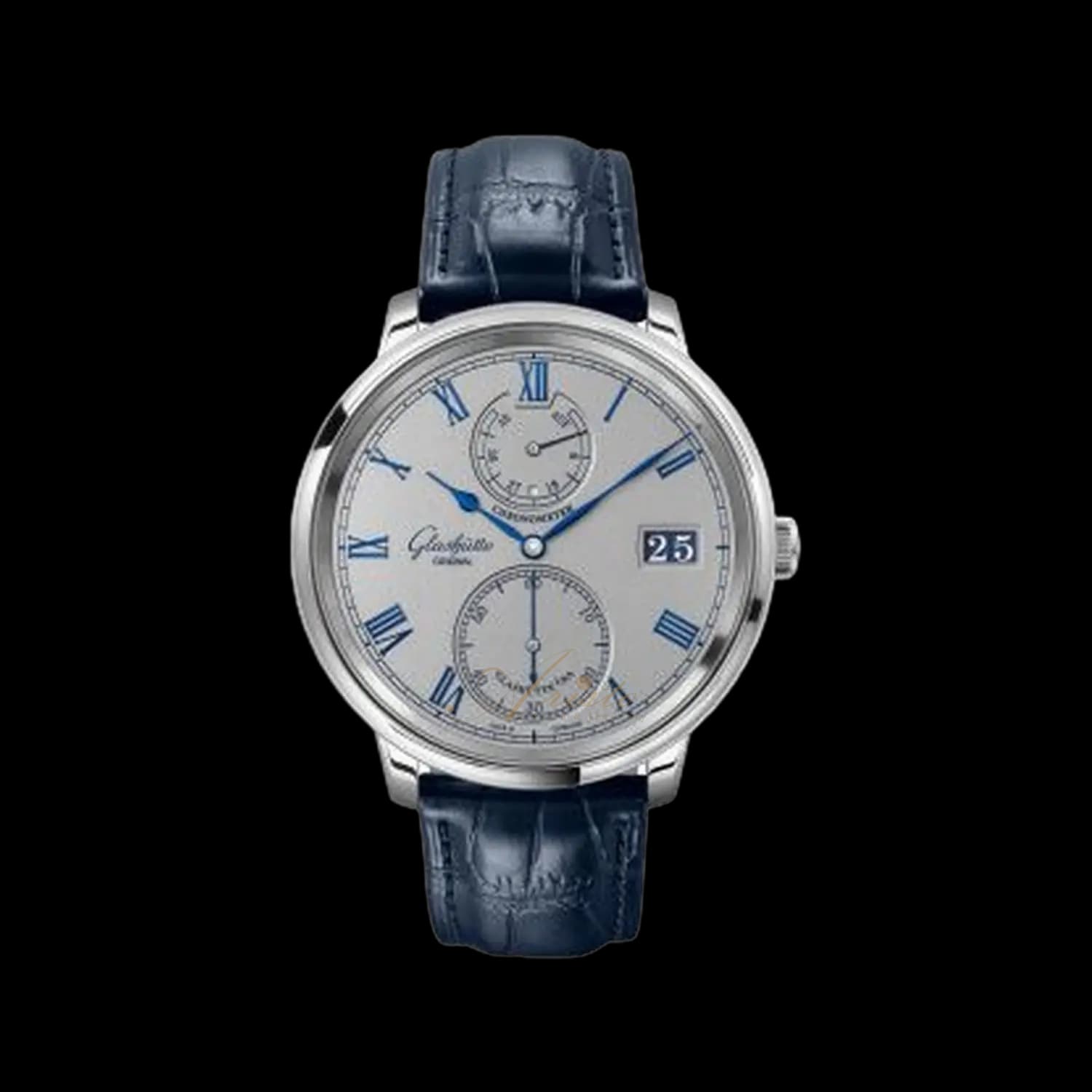
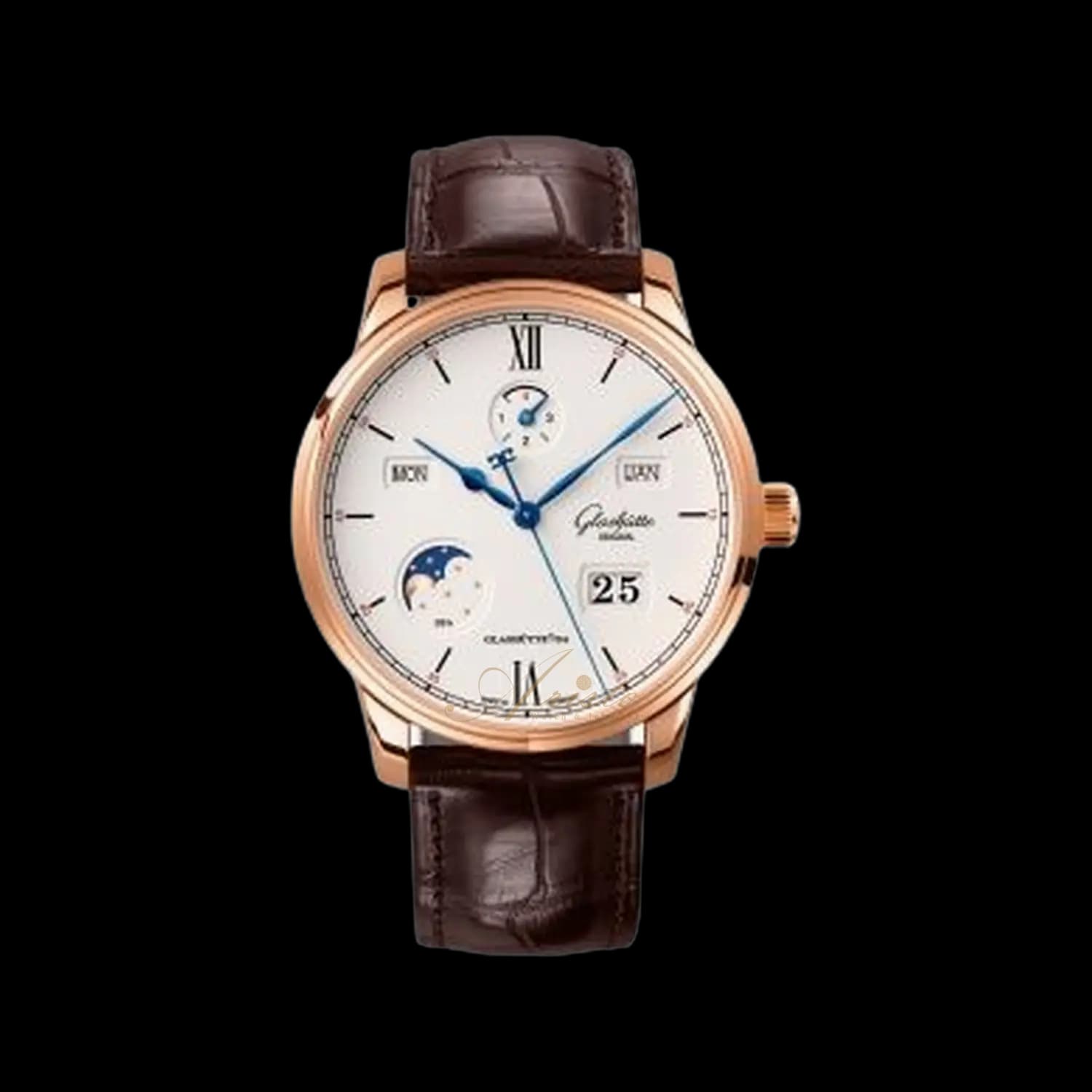
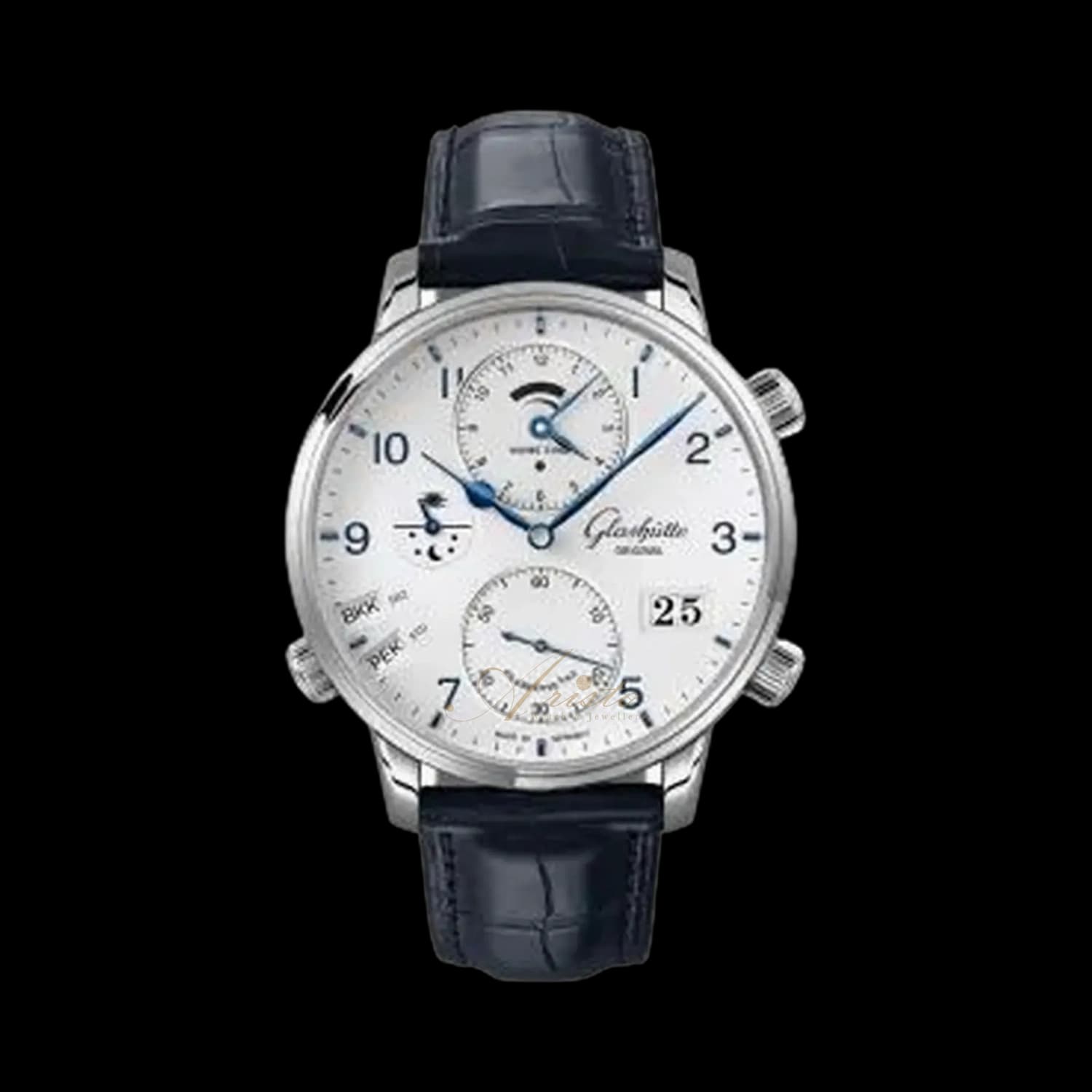
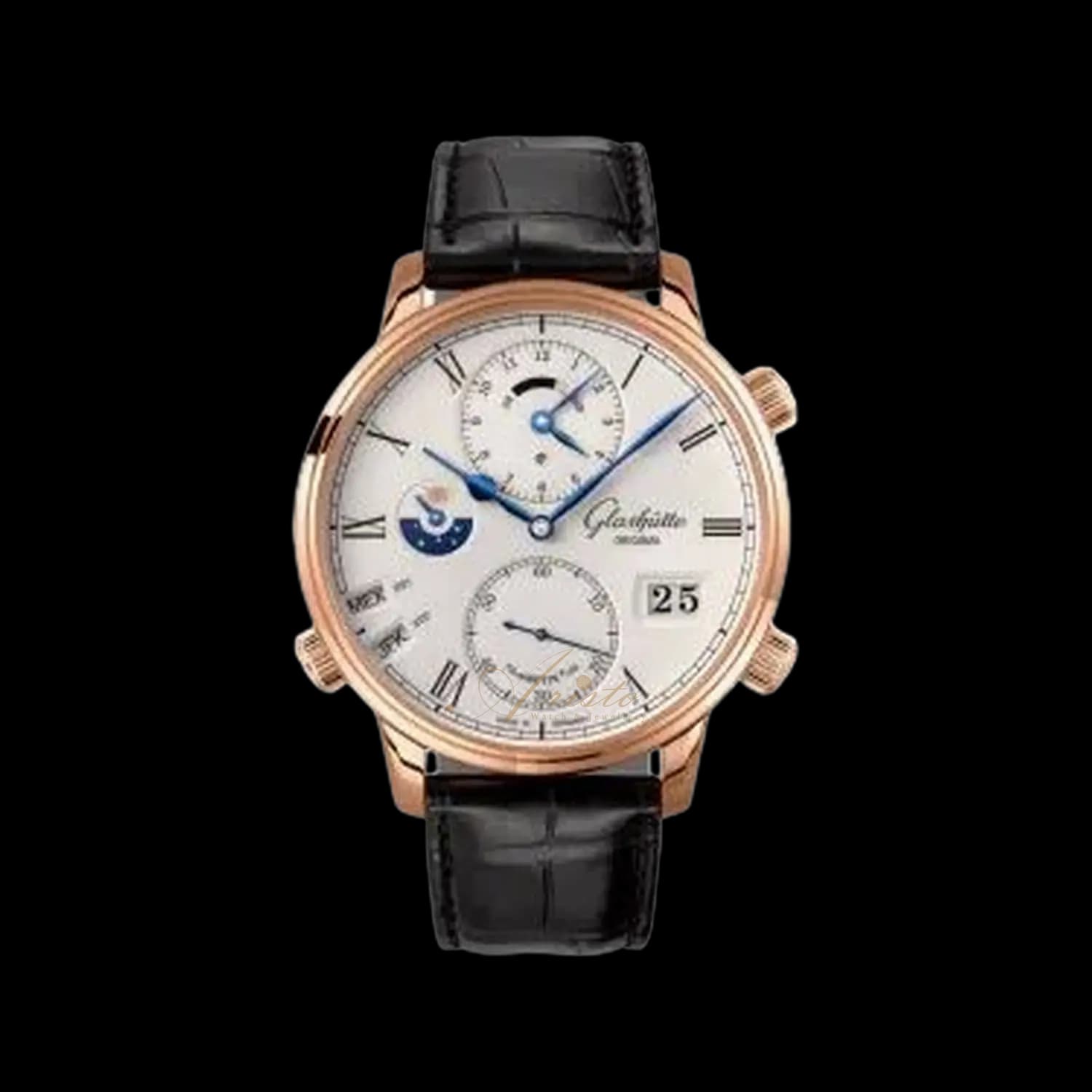
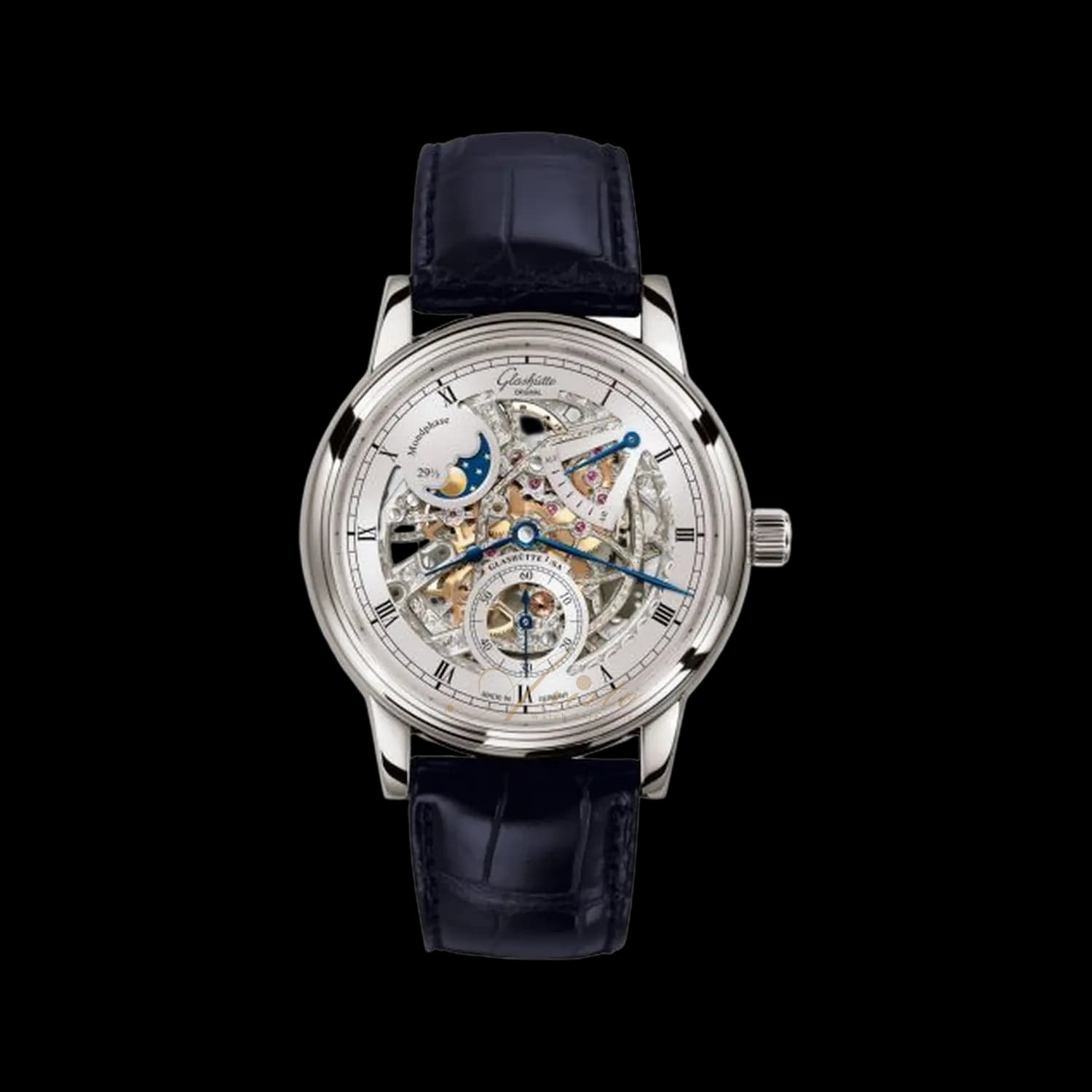
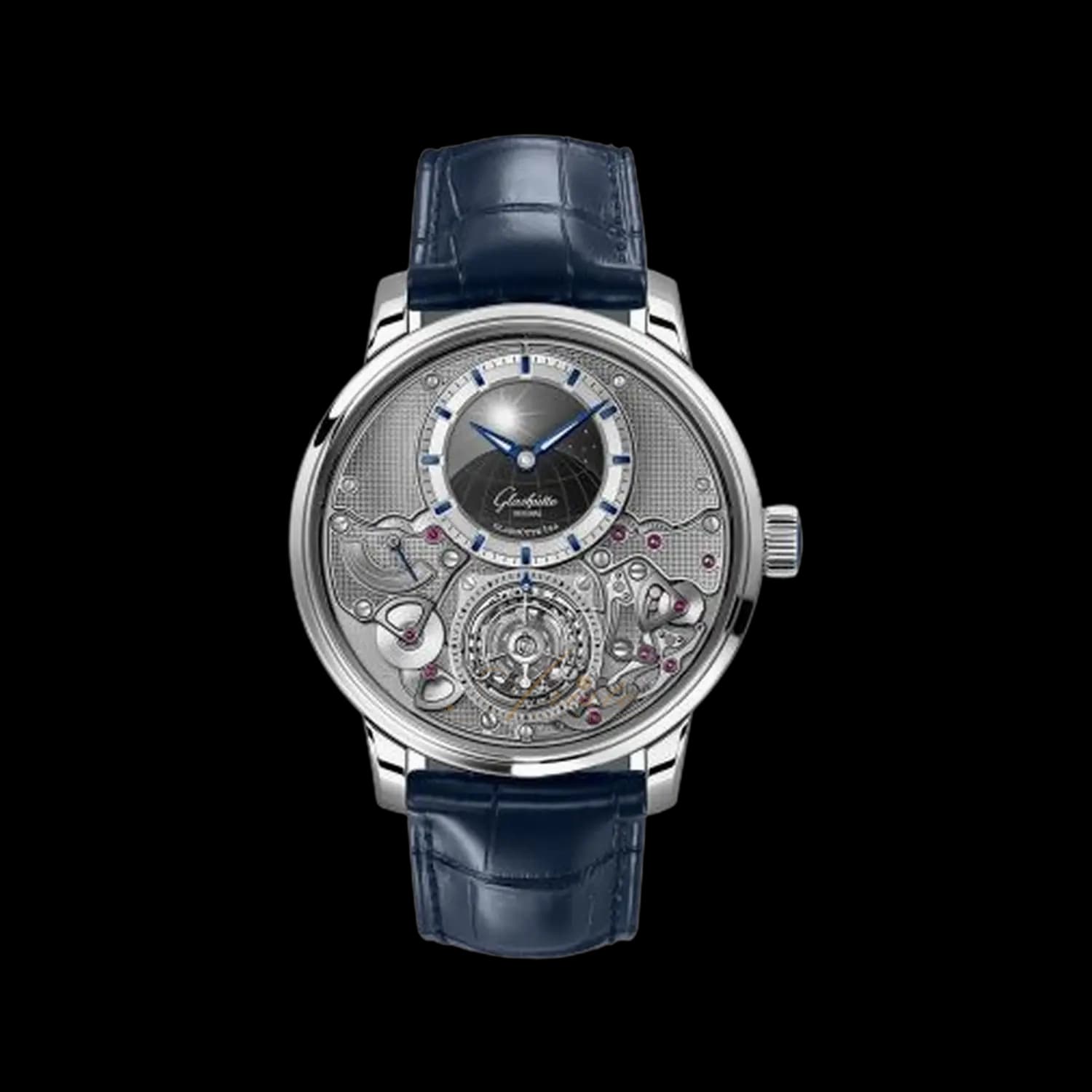
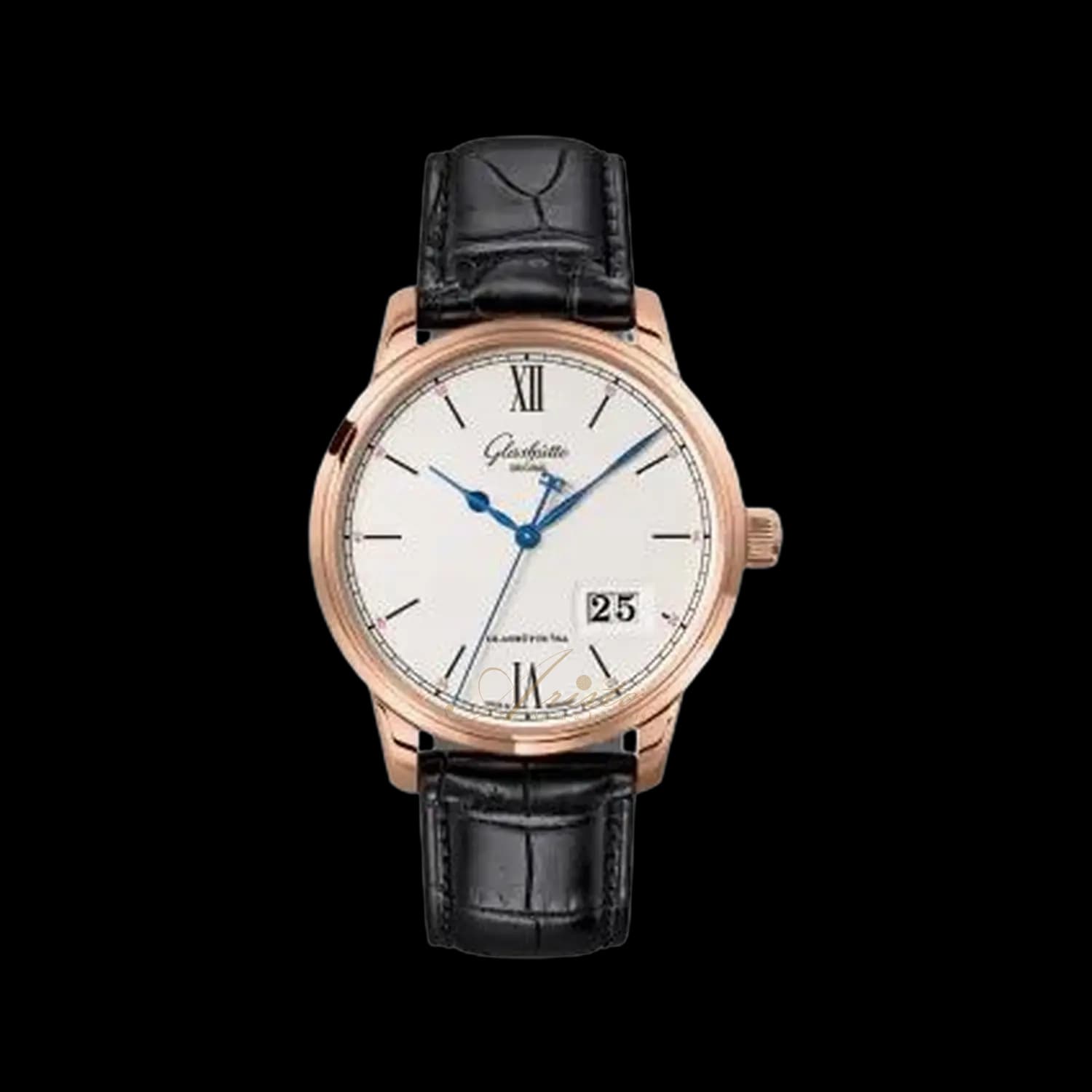
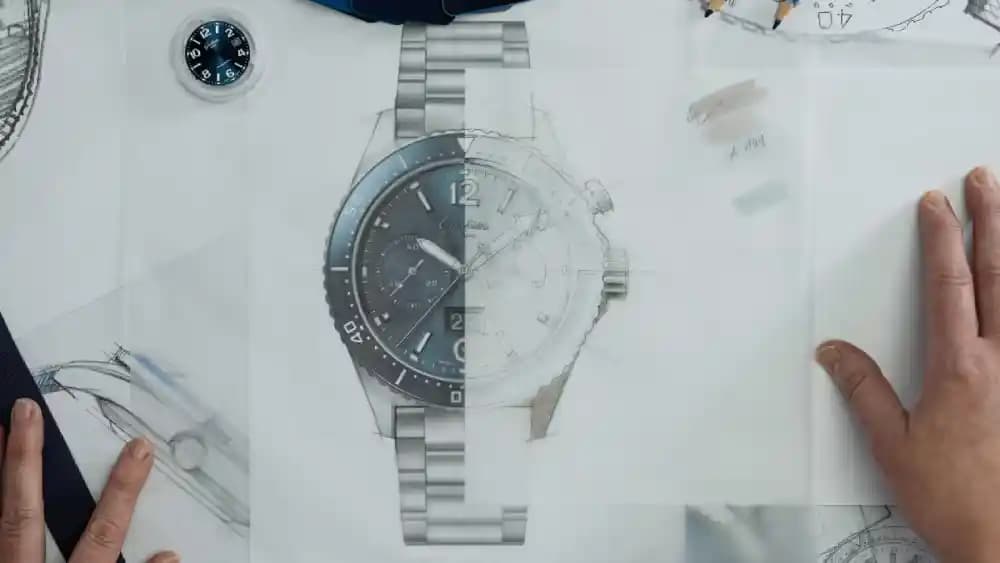
Explore the world of Glashütte Original — carrying forward more than 180 years of watchmaking tradition from the Saxon town of Glashütte, one of the foremost names in German fine watchmaking. From the signature Panorama Date design of the Pano collection to the SeaQ diving watch, rooted in Cold War-era tool watch heritage, Aristo Watch offers a curated selection of Glashütte Original timepieces with transparent market pricing, along with professional authentication, Aristo Care protection, and trade-in services, so you can buy or sell with confidence.
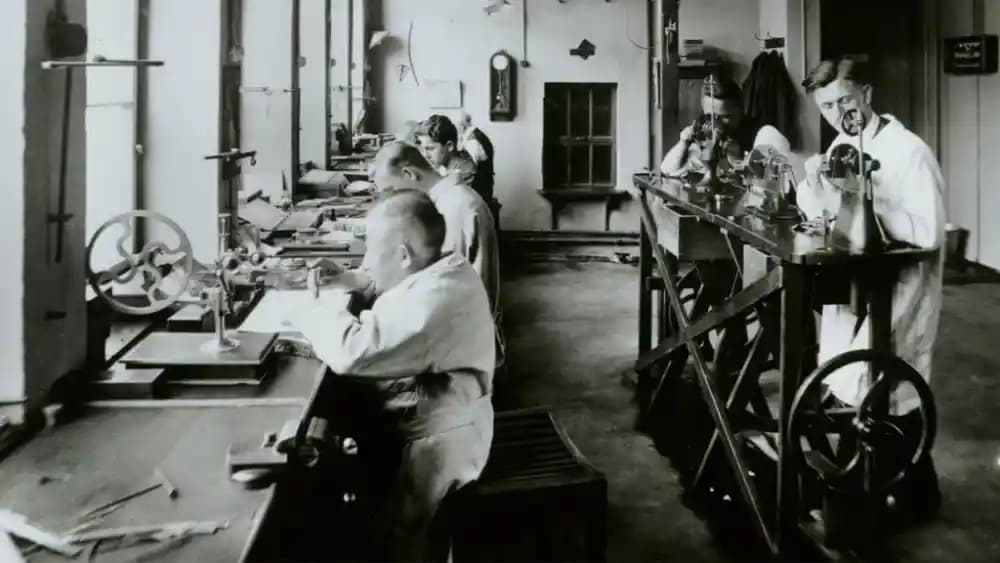
In 1845, watchmaker Ferdinand Adolph Lange (founder of A. Lange & Söhne) received a loan from the Kingdom of Saxony to establish the first watchmaking workshop in the German town of Glashütte. Together with watchmakers including Moritz Grossmann and Julius Assmann, he transformed what had been a small mining town into the centre of German watchmaking. After World War II, Glashütte fell under East German rule, and the town's existing watch companies were forcibly merged in 1951 into the state-owned VEB Glashütter Uhrenbetriebe (GUB), which for more than four decades produced primarily tool and sport watches rather than fine timepieces. After German reunification in 1990, GUB was re-registered as a private company; in 1994, the brand formally relaunched under the name "Glashütte Original," marking the full revival of Glashütte's fine watchmaking tradition.


In 1845, watchmaker Ferdinand Adolph Lange (founder of A. Lange & Söhne) received a loan from the Kingdom of Saxony to establish the first watchmaking workshop in the German town of Glashütte. Together with watchmakers including Moritz Grossmann and Julius Assmann, he transformed what had been a small mining town into the centre of German watchmaking. After World War II, Glashütte fell under East German rule, and the town's existing watch companies were forcibly merged in 1951 into the state-owned VEB Glashütter Uhrenbetriebe (GUB), which for more than four decades produced primarily tool and sport watches rather than fine timepieces. After German reunification in 1990, GUB was re-registered as a private company; in 1994, the brand formally relaunched under the name "Glashütte Original," marking the full revival of Glashütte's fine watchmaking tradition.


1845
Ferdinand Adolph Lange receives a loan from the Kingdom of Saxony and establishes the first watchmaking workshop in Glashütte, laying the foundation for the local industry.

1865
The "Glashütte school" of craftsmanship standards is established, including the three-quarter plate and gilded escapement wheels, still in use today.

1921
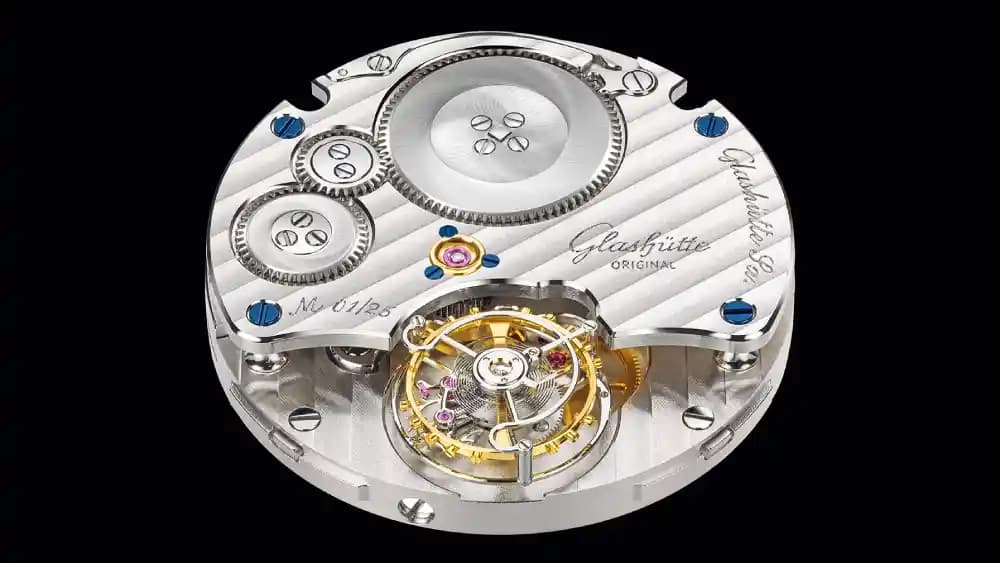
Local watchmaker Alfred Helwig invents the flying tourbillon, eliminating the need for an upper bridge in traditional tourbillon construction.

1951
Glashütte's watchmaking companies are forcibly merged into the state-owned VEB Glashütter Uhrenbetriebe (GUB), entering the East German state economy period.

1990
Following German reunification, GUB is re-registered as a private company, beginning its path toward privatisation.

1994
The brand formally relaunches under the name "Glashütte Original," marking the full revival of Glashütte's fine watchmaking tradition.

1997
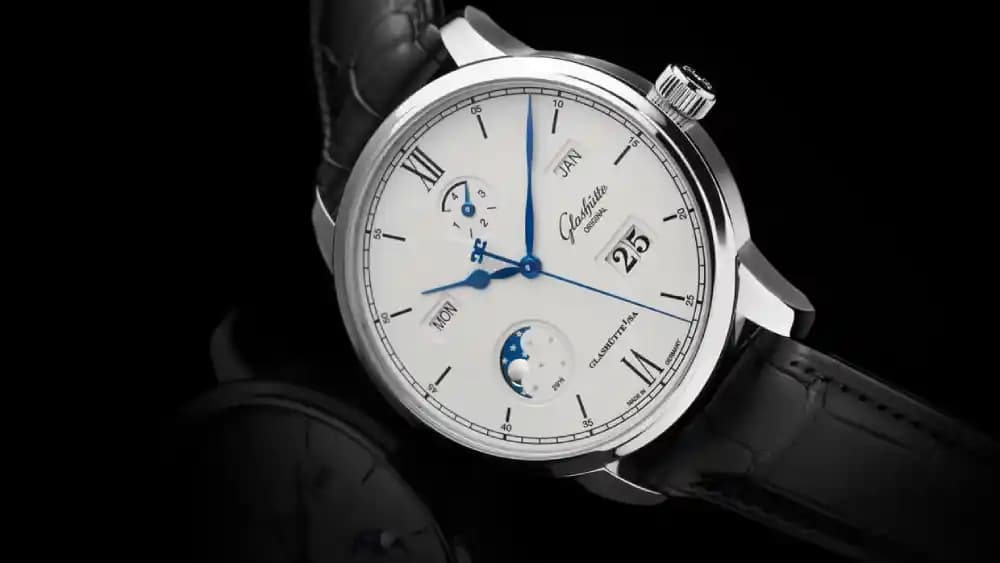
The brand's signature Panorama Date complication debuts, fitted to the PanoRetroGraph.

2000
Glashütte Original joins the Swiss Swatch Group, marking its move toward international expansion.
1845
Ferdinand Adolph Lange receives a loan from the Kingdom of Saxony and establishes the first watchmaking workshop in Glashütte, laying the foundation for the local industry.
Value retention varies by collection, rarity, and demand. The SeaQ has seen growing liquidity in recent years as vintage-styled tool watches gain popularity, while high-complication versions like the Senator Excellence also see steady collector demand given their technical sophistication. Feel free to reach out to the Aristo Watch team for insight on specific models.
Beyond matching the collection and style to your taste, it's worth checking the movement type (in-house or third-party), whether it features signature complications like the Panorama Date, and the case material, as these all affect the watch's overall value and wearing experience. Feel free to reach out to the Aristo Watch team — we know the market well and can offer specific buying advice.
Aristo Watch offers the Aristo Care protection plan, which includes a complimentary annual watch check-up for Glashütte Original timepieces, along with discounted pricing (up to 50% off) on Anti Pro screen protection film. KoverNow comprehensive insurance is also available as an optional add-on for extra peace of mind.
Both brands share roots in the watchmaking town of Glashütte, and founder Ferdinand Adolph Lange was also the founder of A. Lange & Söhne. However, the two brands now belong to different groups — Glashütte Original is part of the Swiss Swatch Group, while A. Lange & Söhne belongs to the Swiss Richemont Group. Though they sit on the same street and share the same museum, they operate as two fully independent brands.
The Pano is known for the brand's signature Panorama Date design, with a more distinctive, asymmetrical dial layout. The Senator spans a broader range of complications, with a more traditionally formal look. Both are core collections in current production — the right choice comes down to personal style and your interest in complications.
Both dates are accurate, but they represent different things. Glashütte's watchmaking tradition dates back to 1845, when Ferdinand Adolph Lange and other watchmakers established the town's first workshops. However, the modern Glashütte Original brand entity was formally established in 1994, following the privatisation of the East German state enterprise GUB. The brand carries forward more than 180 years of Glashütte's watchmaking craftsmanship, but its history as a modern commercial brand counts from 1994.
Traditional date windows typically display a single set of digits in one aperture. The Panorama Date instead uses two discs mounted on the same plane to display the two-digit date, making it more open and easier to read at a glance, while eliminating the visual obstruction of a central divider. Since its debut in 1997, this design has become one of Glashütte Original's most representative technical features.